I’ve written about the most memorable meals I’ve ever had the pleasure to eat. So now it’s time for the very worst. Here are five traumatic experiences.
I ordered this once in 2006 at a renowned restaurant, Les Adrets on Rue de Boeuf in Lyon’s old town. We lived in that wonderful city for 7 months. The menu described a classic French sausage, served on a bed of mustard sauce. I’d eaten and loved many market-bought French saucisson, so what could go wrong?
Dear readers, a whole lot. The large near semi-circular andouillete arrived. I could smell it coming from across the room. As I later learned, someone had described it “something that looked, smelled and tasted like it belonged in a toilet.” It smelled for everything like the smell of the first concentrated warm piss that greets you on a cold winter’s morning.
Oh well, in for a penny, in for a pound I thought and sliced off the first of what I could see would need to be many discs of the rotund beast on my plate. Now, I confess here that I have never tasted warm urine (I am unpersuaded by arguments for its virtues). But this was the overwhelming sense of what I was eating. The texture was also confronting. On inspection, the creature was made from tightly wound intestine, which I later learned to be pig. What to do in such a refined setting? The napkins were linen and so unsuitable for a mouthful of barely chewed pig-inards. So I borrowed a tissue from Trish, surreptitiously spat into it and put the mess in my pocket for later.
I sat there glum while the other three at our table enjoyed their wonderful choices. The waitress passed and noticed my disconsolate demeanour. “Oh, you do not like l’andouillete?” she said to the Australian culinary philistine. No, I simpered in sheepish apology. She whisked it off the table and moments later returned with the tourist meal stand-by, coquille St Jacques. It was delicious.
Here’s Stanley Tucci absolutely nailing the attractions of anandouilette.
Papuan mumu cooked pig flaps
In 1983, I was working in Papua New Guinea for WHO. A guy I was staying with in Port Moresby ran an adventure travel business. He asked if I might be interested in spending the weekend rafting with him and about a dozen paying customers down the Angabanga river, which sounded like something straight out of a Phantom comic. There was a space in one of the rubber boats they used. It was on the house, he said. We’d be leaving the next morning and back in Moresby late Sunday night. Is the Pope a catholic, I asked.
On the second day around 11am we pulled into a small village where a family had an arrangement to cook up pig meat in a ground oven (mumu in tok pisin). In a shallow earth pit, a fire had been heating up rocks before our arrival. Banana leaves were then placed on top of the rocks, and large flaps of raw pig and yams positioned on top of this. More banana leaves were then added, then soil and more fire started above the soil, if I remember it well enough.
We all then sat in a raised, wall-less hut and tried chewing betel nut while dranking warm South Pacific lager from cans with a few of the men from the household.
About four hours after arriving, and with us all nearly dropping with hunger and the forgettable effort to politely drink lousy warm, flat beer in the heat, steps were taken to check whether the meat was showing signs of being ready. The soil and top layer of banana leaves were removed and after some discussion about whether it needed to stay in for another hour, the vote was to give it a try.
With a few exceptions, the slabs of meat were barely warm. A few from down near the hot rocks were almost there and these were sliced up and given to us with a chunk of barely cooked yam and another can of warm beer. The skin still had bristles all over it, now covered with half congealed, oozing fat making it all the more appetising. Forget crackling. Forget the idea of any meat you wouldn’t have thrown straight in the bin anywhere else. I tried to extract what might have been a sliver of lean meat from its thick fat surrounds. The little I got was barely past raw, and whatever hunger I had rapidly abated at thoughts of all the stomach problems I could imagine erupting a few hours later.
It was clear the others held this gustatory feast in the same esteem as I did. So we took a few tentative bites out of the bland, under-cooked yams and indicated to our crew leader that we thought we’d best continue our journey. Never again.
Chiko rolls
The legendary Chiko roll was an early pioneer in Australian take-away food. I my hometown of Bathurst in the 1950s and 60s it graced the bain maries of every cafe and fish and chip shop in the town, along with gelatinous dim sims, potato scallops, and hamburgers-with-the-lot.
I cannot do more justice to this excrescence than to cite Sydney gastronome David Dale from his Facebook seriesEverything Ever Invented, illuminated by cartoonist Matthew Martin.
“In my high school playground, The Big Question, after “Who’s better, the Beatles or the Stones?” was this: “What is actually IN the deep-fried Chiko rolls we buy at the fish and chip shop on the way home from school (alternating with potato scallops)?” When you bit the blackened end off, you could see bits of cabbage and carrot in the filling, held together by a translucent mucus. But were those greyish-brown bits supposed to be meat, and if so, from what animal? And if animal, from what parts of the animal?
We did not know at the time that the Chiko roll had been “invented” in 1950 by Frank McEnroe, a former boilermaker who used to drive around country shows in outback Victoria and southern NSW selling pies and pastries from a caravan. His aim was to build a sturdier and more portable version of the spring rolls he’d eaten in the Chinese cafes that abounded in Australian small towns (often beside the Greek milk bar). The first place McEnroe sold the prototype was Wagga Wagga, which now proudly proclaims itself the birthplace of the Chiko.
Having constructed the roll, McEnroe went into partnership with a freezing works, which enabled him to send the cylinders around the nation to any food outlet that possessed a deep fryer, along with special bags into which they would squirt tomato sauce before sliding in an orange cylinder freshly tonged from the boiling fat.
Now it can be told: The lumps inside were mutton and, in more recent times, beef. Plus, in the version now made by Simplot, Flavour Enhancer 635.”
Chartreuse liqueur
There’s not much I don’t like drinking, although the attractions of Campari, Greek retsina and Laphroaig single malt are completely lost on me. But I once bought a bottle of Chartreuse, in a period where I was intrigued by French art house film, impenetrable existential philosophy and Bridget Bardot. Made since 1737 by Carthusian monks north of Grenoble, it blends distilled alcohol with 160 herbs and flowers. I cannot put it any plainer than this. It is absolutely vile, tasting as I imagine castor oil must taste. Never, ever make the mistake of buying it.
Maotai liqueur
Maotai is a Chinese liqueur. It is the toasting drink of choice at many Chinese dinners. I’ve visited China about six times for research collaboration with Fudan University scholars in Shanghai and to teach for a week in Shandong province, near Korea. At the dinner at end of that week, the leader of the Chinese group stood to thank me for my efforts. He filled my glass with a liquid I couldn’t guess at. At different times in his speech he’d toast various senior people in the group, and me for a variety of reasons.
After the first toast, I knew I was in big trouble. The drink I later learned was maotai was quite disgusting. I swallowed the first toast in a gulp and knew I couldn’t do it again. So I politely tilted the glass each time and kissed the surface of the vile stuff.
I knew from toasting rounds in previous visits that this would go on for some time, as new speakers rose to go through the ritual. Finally, it would be my turn, all translated by an interpreter. So I left the room on a toilet pretext, went up to my room and brought down my unopened duty free litre of Glenmorangie. I could do my toasts with this in a kind of muddled thinking gesture of respect.
When it came to my turn to toast I poured about half a glass, mentally calculating the number of people I would need to thank. This worked well. But when I’d finished, mandatory government party official who’d hovered in the classroom throughout the week, picked up the Glenmorangie bottle, filled his glass to near the top, then filled mine. He made a short speech then sculled the lot in several huge gulps. He then signalled that I should do the same. It was drink-the-foreigner- under-the-table time. I chickened out to gales of laughter.
The Australian government announced in May that it is now illegal to import or retail nicotine vaping products into Australia unless these products are destined for sale in pharmacies to those with a doctor’s prescription for a nicotine vaping product.
These products will be sealed “pod” systems where the liquid containing nicotine and flavouring chemicals and the battery that heats and vapourises the liquid will be sealed, with attempts to open it destroying the integrity of the product.
Many older vapers use vaping systems which allow the user to remove the tank containing the liquid and refill it with new liquid once the tank has emptied. Users have been able to openly buy liquid flavours and nicotine either pre-mixed or that they mix up themselves. The charge from the battery that heats up the metal coil that vapourises the liquid can also be adjusted.
If these liquids had nicotine in them, they have always been illegal in Australia. But the wholesale diversion of many health department staff to COVID duties across three years has seen only a few prosecutions occur, with thousands of retailers openly breaking the law knowing they had a homeopathic probability of being prosecuted.
The Labor government, in collaboration with six Labor-led states and Tasmania will see a dramatic change in this. We are seeing momentum in significant seizures and fines. In May a Queensland retailer had 45,000 vapes seized and was fined $88,000 including court costs. The Therapeutic Goods Administration has recently issued infringement notices of $105,600 (July 2023), $558,840 in June, $16,000 in May, and $66.600 in April.
The word on the street is that in the hiatus period before widespread raids on retailers commence, vape sales are booming with customers being told “you’d better stock up now because all this is going to end pretty soon”.
When this happens and personal supplies are exhausted, there will be thousands of mod/tank systems lying unused in drawers around the country with other redundant technologies like VHS tapes, film cameras, Walkmans, cassette tapes and passé gaming units.
The Therapeutic Goods Administration was able to make regulations on nicotine because nicotine when sold outside of cigarettes is classified in Australia as either a poison or a therapeutic substance. So it has no remit to make recommendations about mods/tanks themselves other than in relation to approved NVPs that would be approved for sale as prescription items.
This raises the serious question about whether the government ought to consider adding mods/tanks systems to the prohibited imports list. This can be done simply by the stroke of a pen under customs regulations. Few Australians would realise for example, that cat and dog fur products, dog collar protrusions, electronic insect swatters, kava and ice pipes are among all 71 prohibited import items that were included without extended parliamentary or community debate.
Use of mod/tank systems by children in Australia is rare, with disposable sickly sweet flavoured vapes overwhelmingly dominating. But adult use is far more common.
What’s the problem with mods/tanks?
The primary issue has always been the devices themselves. Users are able to control the power settings. More power means that more ‘juice’ is being consumed, i.e., increasing exposure to the nasties. In less complicated devices, more power also translates to higher temperatures which creates even higher levels of by-products of thermal degradation (e.g., acetaldehyde, acrolein, formaldehyde and others).
But if there is no legal access to liquid nicotine, then why should anyone worry? Why would anyone bother buying one of these devices from now on? It’s common to see bongs, pipes and other dope-smoking paraphernalia on open display in shop windows. So why not also allow mods/tanks to be imported and displayed in shop windows?
The outstanding concern here is that mod/tank vaping apparatus can be used to vapourise other drugs which according to this San Diego drug treatment centre can include cannabis. LSD, GHB (gamma hydroxybutyrate) and ketamine. This is far from rare. A 2022 Kings College London survey found that 14.7% of people aged 18+ in the UK had ever vaped a non-nicotine drug, with nearly 1 in 56 (1.8%) currently doing it. In 2019, 3.9% of 19-24 Americans ( 1 in 26) had vaped cannabis in the last 30 days. I’ve found no data on other drug vaping by under 18s, which of course does not mean it is not happening.
No data appear to be available on the incidence of health incidents following vaping other drugs, but the World Drug Survey included questions on it in a recent survey.
Australia’s vaping advocates have repeatedly emphasised their unswerving, inviolable conviction that vaping nicotine is all but benign. They have also warned vapers never to vape other substances. In doing this they have wedged themselves on this issue. They regularly retort that no one has ever died from vaping nicotine. With smoking-caused chronic diseases like respiratory, cardiovascular and cancers taking decades to manifest after smoking uptake, that would be entirely expected. The median age at which asbestos-caused, invariably fatal mesothelioma is diagnosed in Australia is 77, with first exposure typically 40-60 years earlier. Vaping has been widespread for less than a decade in Australia.
Mod/tank systems were invented and marketed to facilitate nicotine vaping. But like a Trojan horse, they have also enabled widespread vaping of non-nicotine drugs which have killed and seriously harmed thousands in the US alone. Vaping advocates just shrug at this and argue that this legacy is all irrelevant to nicotine vaping. But it’s not.
Collateral damage (what economists call negative externalities) from intended use is routinely considered in all formal risk assessments in health and community safety. For example, gun control policy considers gun misuse, not just approved uses in hunting and target shooting; DDT was widely used in Australia in agriculture and termite control where it was extremely effective, but banned in 1987 because of its collateral residual health risks to humans. Vaping advocates sneer at efforts to reduce kids’ access to vapes, sarcastically bleating “won’t someone please think of the children” memes, as they do all they can to wreck policies designed to do just that.
So here again, don’t hold your breath waiting for any calls for open vape systems to be banned from import or sale. Vaping leaders will unashamedly walk on both sides of the street, warning about the risks of vaping other drugs while demanding that the open systems being used should be openly available to make some nicotine vapers happy.
Update 8 Aug
It seems my blog passed the proverbial scream test with flying colours. “Dr Col” Mendelsohn the vaping promoter was quick out of the blocks in apoplexy tweeting that it was “highly misleading” for me to cite this UK study showing that 1 in 56 UK adults had vaped drugs other than nicotine in the past 30 days. He implied that vaping cannabis in “a dry herb vaporiser”, and vaping caffeine or alcohol were not of “potential concern”, words he agreed applied to vaping opioids and benzodiazapines.
So what is the evidence that vaping caffeine and alcohol are of no concern? This site outlines the risks of vaping alcohol. And what about caffeine? In December 2019, the Australian government approved the banning of the sale of pure caffeine and foods and beverages containing high concentrations of caffeine. This followed the death from caffeine toxicity of a 21 year old Blackheath man, Lachlan Foote, after drinking a protein drink with added caffeine powder on New Year’s eve. A single teaspoon of caffeine can be fatal, containing the equivalent of between 25 to 50 cups of coffee. But hey, nothing to worry about in sticking caffeine in your vape tank and pulling anyone’s guess of whatever amount of vapourised caffeine deep into your lungs, according to our expert, Dr Col.
Dry herb vaporisers are already on sale in Australia (see this example). A search on PubMed for “dry herb vaporiser” (or “dry herb vaping”) shows that no studies appear to have been published in indexed journals on the toxicology of emissions from dry herb vaporisers. So how do these differ from nicotine vaporisers?
“A popular misconception is that dry herb vaporizers are the same as e-cig type of vapes. Dry herb vaporizers are not the same as e-cigs. Unlike e-cigs, dry herb vaporizers are not intended to deliver nicotine or other substances found in tobacco-containing cigarettes. Instead, they are used to inhale various substances that are found in a plant called cannabis, which is better known as marijuana.”
So have we all got that? The only difference appears to be that one is used for vaping nicotine and the other for vaping cannabis.
Updated Jun 4, 2024; 24 Sep 2024; 7 Dec 2024; 11 May 2025;19 Nov 2025, 28 Feb 2026; 13 March 2026
I’ve recently returned from a three-day meeting in Europe where the entire focus was on vaping and other novel ways of increasing nicotine addiction. There was no-one in the large room with participants from some 40 nations who did not want to know all about Australia’s move to outlaw all vape sales other than those transacted via a doctor’s prescription.
In the Abbott-Turnbull-Morrison years, Australian vaping advocates were on speed dial with go-to right wing political supporters to tap for favours. After the 2022 federal election conservative bloodbath, many of those supporters are now political feather dusters (Abetz, Wilson, Falinski, Sharma, Laming, Stoker, Zimmerman, McMahon) or political eunuchs like Matt Canavan and the unforgettable Hollie Hughes.
Above: Liberal Senator Hollie Hughes gets a squeeze from Legalise Vaping Australia’s Brian Marlow.
Australia’s vaping advocates are politically friendless, yet like the spectacle of the Black Knight in Monty Python’s Search for the Holy Grail, despite mortal wounds we see them gamely want to fight on against the heinous Labor government’s prescription access policy. But their ranks today are very thin indeed.
So here’s a quick look through those who’ve come and gone, and those not showing any vital signs.
The IPA spawned the political careers of staffers Tim Wilson and the funereal James Paterson. Wilson made an absolute goose of himself by writing a report which argued that if the Rudd government succeeded in introducing plain tobacco packs, courts would order the government to compensate the tobacco industry by $3billion every year afterwards (see the full saga in my book here at p144). Big Tobacco was comprehensively smashed in all three cases it brought against the Australian government over plain packs.
Vaping promoter Colin Mendelsohn fawned over Wilson and Paterson in what was surely one of the more heroic political predictions in the current century. The IPA have been very quiet on vaping, but they are to be taken seriously: in January 2014 they named me in the IPA Review as one of “The Dirty Dozen” all-time Australian “opponents of freedom”
New Nicotine Alliance Australia (NNAA) Started a Twitter account in November 2017 with vapers Charles Yates (president) and Andrew Thompson (board member). Dr Attila Danko was also involved. He delivered this fire and brimstone rant at the 2015 Global Forum on Nicotine meeting in Warsaw. In 2024 the Victorian Civil and Administrative Tribunal made findings in a case brought by the Medical Board of Australia that Danko had engaged “in a treating relationship with a patient, a person with whom he had a personal relationship and pursued an intimate and sexual relationship, in circumstances that were avoidable, and making uninvited physical and sexual contact with a patient” and that he offered “to prescribe cannabidiol to the Patient, and prescribing Schedule 4 medications to a patient with whom he had a personal relationship, in circumstances that were avoidable.” In 2025 the Medical Board announced that Danko’s medical registration had been cancelled and that he may reapply after 12 months. NNAA announced it was closing in September 2019. The twitter page today shows 988 followers. No record of NNAA having made even a small impression in a soft cushion.
The Progressive Public Health Alliance Set up in October 2019 in Melbourne with a current twitter (X) following of 175, and their most recent tweet on June 26, 2021, nearly three years ago. Ran a webinar on vaping in September 2020 with Alex Wodak, but no new seminars planned for its 50 dedicated subscribers.
Australian Vaping Association Started up in June 2020 and managed 80 tweets until Oct 15, 2020 to its 146 followers. Never sighted since.
The Vaping Association Australia. Last post on its Facebook page March 21, 2024 “today’s the day we fifght”. Hmm.. looks like they were knocked out?
A.L.I.V.E (Australia Let’s Improve Vaping Education Set up in May 2024 by Pippa Starr (pictured below) who is ready and willing to do media interviews! 100 twitter (X) followers at June 4, 2024. That account closed then rebirthed as ALIVEadvocacy in the same month, now bursting with 493 followers as at 11 May 2025. Its battle cry is “The truth is coming to get you”. That truth appears to be that a homeopathically small proportion of Australian vapers is interested enough in all this to even make a mouse click to “follow”.
Pippa had earlier offered to represent Australian vapers in the media and to politicians.
In May 2025, after dramatic music Pippa breathlessly announced to the world on youtube that ALIVE had set up the “Colin Mendelsohn Medal Award”, although they seemed unsure of the spelling of his name. The award went to one of its stalwarts, Alan (Al) Gore the public name of vaper, advocate and submission writer Alan Gorley. Pippa described the award as “an amazing thing for you to wear around your neck, proudly … an unbelieveable and prestigious award.”
Set up by British American Tobacco Australia, RVA’s goal in life is to sell the idea that there are many retailers out there who would never dream of selling vaping products to children or stocking heinous unsafe vapes sourced from suppliers with bathtub and kitchen sink chemical laboratories where the vape juice is mixed.
RVA wants the dedicated health-conscious staff from tobacconists, vape shops, petrol stations and convenience stores to sell vapes. As we all know, such outlets have zero track record over decades of selling cigarettes illegally to kids, so what chance that they would sell vapes to them too? How very, very awkward it must have been for LVA when the TGA recently published notice of massive fines to three TSG stores for allegedly importing illegal vapes. Stay tuned for more awkward moments.
Legalise Vaping Australia (LVA)
LVA appeared in 2017 out of the swamp of far-right libertarian boutique causes under the umbrella of the incestuous Australian Taxpayers Alliance (ATA), which in 2020 held out its begging bowl for funding to the Koch Foundation.
On September 16, 2018 ABC-Online ran a piece about LVA’s lobbying campaign to legalise e-cigarettes. Michael Black’s report had LVA’s Brian Marlow saying “his organisation had been making [claims about e-cigarettes] for years”. Well, perhaps for two years. LVA’s Twitter account was set up on September 20, 2016 and the Wayback Machine’s earliest record of LVA’s website dates from July 1, 2017.
Above: Australian Taxpayers Alliance President Brian Marlow looking tres presidential
When Marlow referred to “his organisation”, he was likely talking about the Australian Taxpayers Alliance (ATA), where he was a member of the “team” before taking the reins as its “president”. LVA is just one of several campaigns run under the umbrella of the ATA. As shown in this tweet posted just after the death of right-wing cartoonist Bill Leak in 2016, identical tweets were posted by five ATA-affiliated groups.
This incestuous arrangement has also seen one group (@MyChoiceAust) replying supportively to a tweet from LVA. Nothing like having those in the same office talking to each other or perhaps one person to him or herself using different account names?
So who funded them?
In January 2018, amid much fanfare, LVA launched the portentous “Vape Force One” tour of NSW, Southern Queensland and Victoria where a large Winnebago visited 28 towns. The purchase or hire, signage and running costs of the van and any food and accommodation costs of the seven volunteers involved would have not been insubstantial. I wonder who picked up the tab for all that?
The tour launch, held in Primrose Park in Sydney’s Cremorne, looked like being bigger than Ben Hur, with LVA’s website showing 367 guests having registered to attend, but rather fewer turning up.
Above: Unprecedented crowd of supporters at launch of Vape Force One (subtract cricketers waiting to bat)
Their Facebook events page showed single-digit numbers registering interest in 9 of the 28 stops listed, with a whole 0 at the Byron Bay event. Throughout the month of the tour, LVA tweeted its best photos of the crowds which besieged the Vape Force One van. Local politicians were invited to come down and get informed. I may have missed seeing how many took up those invitations.
The size of the ATA’s support base appears to be rather fluid. Its website on 17 September 2018 showed 4,186 “supporters”. But one click away on its “who we are” page we see it reports “over 75,000 members”, a mere 17.9 times more. My public request to the ATA to clarify these differences was never answered.
Apart from appeals for donations, neither the ATA or the LVA website provide any information about funding sources. This is standard practice with far-right bodies who try to make a virtue out of their lack of transparency, arguing that their goals, policies and arguments owe no provenance to those with vested interests who might provide financial and in-kind support.
The ATA boasts “academic fellows” as if it was some sort of credentialed research institution. But all academics at legitimate research institutions know that a fundamental tenet of research and publication ethics is full disclosure of all relevant competing interests.
The LVA and the ATA have made cute little awards to political supporters who support the LVA’s efforts. These include David Leyonhjelm (whose Liberal Democrats party had a record of accepting funding from the tobacco industry), Cory Bernardi, Eric Abetz, and Tim Wilson (former Institute of Public Affairs staffer), Andrew Laming and Peter Phelps (NSW parliament). Anyone discern any political complexion among this group? It’s an interesting phenomenon how e-cigarettes have become a signature policy for some in the far-right of Australian politics.
Above: The sartorially elegant LVA crew rubbing shoulders with politicians Tim Wilson and James Paterson, with Colin Mendelsohn along for the fun. Brian, didn’t your mum tell you should take your hat off indoors?
In 2018 federal by-elections LVA campaigned to support the election of Liberal Democrat candidates and an Australian Conservative (in Victoria), where these candidates secured the desultory primary votes shown below, sourced from the Australian Electoral Commission.
Batman, Victoria: Australian Conservatives: 6.41%
Longman, Qld: Liberal Democrats: 1.99%
Braddon, Tas: Liberal Democrats: 1.32%
Mayo, SAust: Liberal Democrats: 0.91%
Perth, WAust: Liberal Democrats: 6.69% (note: no Liberal Party candidate ran).
Fremantle. WAust: Liberal Democrats: 14.1% (note: no Liberal Party candidate ran).
It’s held poorly attended rallies in Perth, Melbourne and Sydney.
Above: Crowd control not needed at Perth supporters rally
In December 2020 Marlow claimed, without ever showing a data source or any calculations, that 500,000 Australian smokers had “quit smoking for good” by vaping. Strangely, neither the Australian Bureau of Statistics nor any health agency specialising in tobacco control have noticed anything remotely like this had occurred. Such a fall would have been the largest ever recorded in any nation’s smoking prevalence.
Marlow seemed very confused about what message he wanted to send on vaping and COVID. Noting that ATHRA had claimed there was “No evidence that vaping increases the risk of COVID-19” Marlow then spelled this out as meaning “It is important to know vaping increases the severity of #COVID19 in vapers or bystanders” (see below) Whoops!
In February 2021, Neil Chenoweth put the LVA and its director Brian Marlow’s “colourful” background in real estate under the blowtorch in the Australian Financial Review.
On 30 November 2022, the Therapeutic Goods Administration invited public comment on its proposed regulations for vaping, allowing 48 days until submissions would be closed. LVA apparently had so little to contribute that it made no submission.
In May 2023, Marlow announced the formation of “the first political party dedicated to the rights of vapers” the Legalise Vaping Party. But the party never ran a single candidate in May 2025 elections.
Pippa Starr from ALIVE reminded us on X that “Australian’s vape and we vote!” and pointed to political candidates who opposed Australia’s vaping laws. The election saw the biggest victory ever to Labor, architects of the loathed pharmacy access policy, with ARISE-approved parties like the Libertarians attracting a trickle of votes.
Legalise Vaping Australia last tweeted on March 6, 2025 (nearly a year ago, as this update is added). The latest before that was July 19. 2024. Did anyone notice? Its Facebook page died earlier, with the last post dated June 26, 2024 showing old mates Mendelsohn, Wodak and Marlow, the three unsaddled horsemen of the Australian vaping revolution apocalypse.
Australian Tobacco Harm Reduction Association (ATHRA)
ATHRA has no staff and when it folded on Dec 1, 2024 (below) , three board members: Perth GP Joe Kosterich (with the grandee title of “chairperson”), Dr Alex Wodak and Ean Alexander, a Perth businessman with interests in the medicinal cannabis industry. Kosterich is Medical Adviser to Little Green Pharma cannabis company. In 2022, the company was fined $372,960 by the Therapeutic Goods Administration for 28 instances of alleged “unlawful advertising of medicinal cannabis products on their websites and social media platforms”.
From at least 7 December, 2021 ATHRA’s website has stated (below) that its Board consisted of three “medical practitioners”. Director Ean Alexander’s background is not supplied nor his photograph shown. However, he is not a medical practitioner, so this statement is false and has been so for at least 20 months.
Kosterich informed a 2019 Western Australian parliamentary select committee on Personal Choice and Community Safety to which he gave evidence that “ATHRA has no members”. Its website has provision for “supporters” to register, but curiously does not appear to have released any data on the size of this supporter group. We might expect that if this support was large, ATHRA would have likely told us about this many times.
In 2019, ATHRA ran a Go Fund Me fundraiser to support an “Aussie Vape Day’ to try and piggyback the often massive publicity received by the annual World No Tobacco Day. It set a fund target of $15,000, with ATHTA board member Colin Mendelsogn kicking it off with $500. It received a paltry $1845 by the campaign end from just 37 other donors.
Dr Colin Mendelsohn was the founding chairman of ATHRA (the Australian Tobacco Harm Reduction Association) from 2017. He then resigned from the ATHRA board, taking effect from Jan 4, 2021 according to ASIC records. He thereafter referred to himself many times as being “the founding chairman of the Australian Tobacco Harm Reduction Association” often without adding that he was no longer on the board.
After doing a “Nellie Melba” and announcing his retirement from vaping advocacy in Dec 2023 only to soon rescind it, he again announced a retirement in November 2024.
ATHRA spokespeople have long campaigned for nicotine vaping products (NVPs) to be designated a minimally regulated “consumer product”, available from almost any outlet. They are implacably opposed to the medical prescription approach. In this, they are in lockstep with all tobacco companies which manufacture NVPs and almost the entire vaping industry.
This has not stopped vaping advocates repeatedly making the argument that the prescription access model will benefit the tobacco industry and that those supporting the prescription model are “helping big tobacco”. So, if you support the prescription model, you are nothing but a useful idiot greasing the wheels for the tobacco industry: the very same industry which is inexplicably lobbying tooth and nail against this model. So how does all that work?
ATHRA’s recent inactivity on social media
ATHRA has a twitter account which has not published anything since 28 June, 2022. It also has a website which includes a section on media releases and a blog, The most recent media release visible on its current website is dated March 6, 2020, over three years ago.
Now flying solo, Mendelsohn has recently had a bumpy ride with the media. In December 2022, 2GB’s Ben Fordham pushed back hard on Mendelsohn’s claims that “there’s a lot of panic [about teen smoking] which is exaggerated”. Western Australia’s radio 6PR has given him some coverage in the past, but in February 2023 he was savaged by respected journalist Gary Adshead when he defended the Philip Morris funded Foundation for a Smokefree World.
Television Channel 7’s Sunday night current affairs program Spotlight interviewed Mendelsohn on May 28, 2023 where the compare advised viewers at 25m55 that they were “about to see why he is a friend of Big Tobacco”.
Like LVA, neither ATHRA nor any of its current directors made any submissions to the 2022-2023 Therapeutic Goods Administration’s call for submissions on proposed vaping regulations, the biggest policy change to have happened with vaping in Australia.
ATHRA would appear to be comatose, showing no vital signs.
A recent longitudinal study (2016-2021) published in JAMA of children who had used any form of nicotine found, using neuroimaging outcomes, “a significant association … of early-age initiation of tobacco use with lower crystalized cognition composite score and impaired brain development in total cortical area and volume. Region of interest analysis also revealed smaller cortical area and volume across frontal, parietal, and temporal lobes” in children who had smoked. Importantly, the study controlled for socio-economic factors and other substance use.
A key tenet of vaping theology insists that when claims about nicotine harming cognitive development are made, the dismissive “pure speculation” flag must be rapidly run up the pole. Vaping advocates have a lot of fun pointing out that the abundant evidence about this has almost come from animal studies, particularly with rats like this, this and this.
Unlike in animal studies, experimental exposure of children to nicotine to assess cognitive or other impacts would never be accepted by human ethics research committees, so observational cohort studies like the JAMA study above are the best data we have.
In this piece from 2018 , local Aussie vaping apostle Dr Colin Mendelsohn weighed in on this issue stating “There is no evidence so far that nicotine harms the human brain in adolescence. Concerns of harm to brain development from nicotine are based on rat and mouse studies. … As one review concluded, animal tests generally ‘fall far short of being able to predict human responses.”
Dr Col, as he likes to call himself, must have spent a good while searching for an authoritative reference to bolster that claim. The first author of the paper linked above gives his affiliated organisation as an outfit dedicated to opposing the use of animals in research called Americans For Medical Advancement, listed by Quackwatch as a possibly “questionable organization”.
In 2023 Dr Col doubled down on this in a video where at 2m30s he claims: “Teens who smoke don’t have significant differences in adulthood in IQ, educational achievement or cognitive function compared to those who’ve never smoked.”
Oh really? This prospective cohort study examined the association between early to midlife smoking trajectories and midlife cognition in 3364 adults (1638 ever smokers and 1726 never smokers) using smoking measures every 2–5 years from baseline (age 18– 30 in 1985–1986) through year 25 (2010–2011). Five smoking trajectories emerged over 25 years: quitters (19%), and minimal stable (40%), moderate stable (20%), heavy stable (15%), and heavy declining smokers (5%). Heavy stable smokers showed poor cognition on all 3 measures compared to never smoking. Compared to never smoking, both heavy declining and moderate stable smokers exhibited slower processing speed, and heavy declining smokers additionally had poor executive function.
In this Finnish longitudinal cohort twin study data (n=4761) from four time points (ages 12, 14, 17, and 19-27 years) “were used to estimate bivariate cross-lagged path models for substance use and educational achievement, adjusting for sex, parental covariates, and adolescent externalizing behaviour.”
Smoking at ages 12 and 14 “predicted lower educational achievement at later time points even after previous achievement and confounding factors were taken into account. Lower school achievement in adolescence predicted a higher likelihood of engaging in smoking behaviours … smoking both predicts and is predicted by lower achievement.”
Against the authority of Dr Col on the doubtful relevance of animal studies for humans, we can look at the track records of all 225 Nobel Prize winners in the Medicine and Physiology category between 1901-2021. Of these, 188 (83.6%) used animals in their research.
So across 120 years, the judges of the most prestigious global prize in medical research seem to think animal research is of immense importance in understanding of human health. But Dr Col, a former Sydney GP with no masters or PhD and a very slim track record in publishing research with original data in peer reviewed journals (search for “Colin Mendelsohn” in Google Scholar) claims to know different.
One such Nobel Prize winner is Columbia University neuroscientist Eric Kandel (2000) who in 2014 with his wife (who orginally conceived of the gateway hypothesis in 1975) published The molecular basis for nicotine as a gateway drug in the New England Journal of Medicine where they set out molecular experimental evidence for the gateway hypothesis in mice.
In a likely throw to the Kandels’ work, as shown above, Dr Col wrote (see below) that “it is also theorised that nicotine may sensitise the brain to other drugs and increase the risk of substance abuse. However, there is no evidence to support this theory in humans.” This is of course because experimental and randomised controlled trials involving introducing nicotine naïve human subjects to nicotine would never be ethically acceptable.
Eric Kandel summarised his paper this way:
“The results we obtained by combining epidemiologic and biologic studies suggest a model in which nicotine exerts its priming effect on cocaine by means of HDAC inhibition and provide a molecular explanation of the unidirectional sequence of drug use observed in mice and in human populations. Nicotine acts as a gateway drug and exerts a priming effect on cocaine in the sequence of drug use through global acetylation in the striatum, creating an environment primed for the induction of gene expression. Long-term potentiation in the nucleus accumbens is blocked when long-term exposure to nicotine is followed by cocaine use, which presumably lessens constraints on dopaminergic neurons in the ventral tegmental area and leads to the enhanced release of dopamine.19 For all the measures we studied — locomotor sensitization, conditioned place preference, long-term potentiation, and FosB expression — reversing the order of nicotine and cocaine exposure was ineffective: cocaine did not enhance the effect of nicotine. The priming effect of nicotine depended on its being given for 7 days before cocaine. Priming did not occur when nicotine was given for only 24 hours before cocaine.”
LD50
One of the most basic measures in toxicology is the LD50 measure. This is “a standardized measure for expressing and comparing the toxicity of chemicals. The LD50 is the dose that kills half (50%) of the animals tested (LD = “lethal dose”). The animals are usually rats or mice, although rabbits, guinea pigs, hamsters, and so on are sometimes used.”
Substances with LD50 below 5 mg/ kg are classified as highly toxic while substances with LD50 above 15,000 mg/kg are deemed relatively harmless.
Perhaps Dr Col has forgotten about the LD50 measure from his undergraduate days and that this fundamental measure of toxicity, so central to safe dosage in prescribing, is derived from animal testing. It’s been around since 1927 and is being phased out today due to animal welfare concerns.
Animal studies were critical in early understanding of the pathogenesis of diseases now well-established as being caused by smoking. In 1962, Bock et al demonstrated that painting cigarette tar on mice skin produced tumours in 41 of 76 mice painted with tar from unflitered cigarettes and in 15 of 60 mice painted with tar from filter-tipped cigarettes. In every group of mice, some of the skin tumours progressed to cancers within the 1-year period. Guinea pigs develop emphysema from tobacco smoke. Mice get hypertension, increased oxidative stress, impaired NO bioavailability, endothelial dysfunction, and cardiac remodeling when chronically exposed to cigarette smoke and pregnant mice produce low birth weight offspring when exposed.
So in all these examples, we have unchallenged strong evidence that tar and cigarette smoke harms lab animals in the same way that it harms humans. Yet witness the rush to blithely dismiss concerns about the relevance of animal evidence on nicotine exposure and brain development.
In this earlier blog, I listed a long series of studies mostly but not always involving animals looking at the role of nicotine in a range of diseases and disease processes. Vaping advocates often seem to have a kind of religious zealotry about nicotine being a benign and indeed beneficial substance in the levels found in inhalable nicotine products. Their rush to shut down concern about nicotine’s impact on young brains is a disturbing sign of their irritation that community concern about the impact of vaping on kids should in any way interrupt adult access to these products. Their regular sarcasm about “won’t someone please think of the children” sees this in full flight.
Other blogs in this series
Vaping theology: 1 The Cancer Council Australia takes huge donations from cigarette retailers. WordPress 30 Jul, 2020
Vaping theology: 2 Tobacco control advocates help Big Tobacco. WordPress 12 Aug, 2020
Vaping theology: 3 Australia’s prescribed vaping model “privileges” Big Tobacco WordPress Feb 15, 2020
Vaping theology: 4 Many in tobacco control do not support open access to vapes because they are just protecting their jobs. WordPress 27 Feb 2021
Vaping theology: 5 I take money from China and Bloomberg to conduct bogus studies. WordPress 6 Mar, 2021
Vaping theology: 6 There’s nicotine in potatoes and tomatoes so should we restrict or ban them too? WordPress 9 Mar, 2021
Vaping theology: 7 Vaping prohibitionists have been punished, hurt, suffered and damaged by Big Tobacco WordPress 2 Jun, 2021
Vaping theology: 9 “Won’t somebody please think of the children”. WordPress 6 Sep, 2021
Vaping theology: 10: Almost all young people who vape regularly are already smokers before they tried vaping. WordPress 10 Sep, 2021
Vaping theology: 11 The sky is about to fall in as nicotine vaping starts to require a prescription in Australia. WordPress 28 Sep, 2021
Vaping theology: 12 Nicotine is not very addictive WordPress 3 Jan 2022
Vaping theology 13: Kids who try vaping and then start smoking,would have started smoking regardless. WordPress 20 Jan, 2023
Vaping theology 14: Policies that strictly regulate vaping will drive huge numbers of vapers back to smoking, causing many deaths. WordPress 13 Feb, 2023
Vaping theology 15: The government’s prescription vape access scheme has failed, so let’s regulate and reward illegal sellers for what they’ve been doing. WordPress 27 Mar 2023
Vaping theology 16: “Humans are not rats, so everybody calm down about nicotine being harmful to teenage brains”. WordPress 13 Jul, 2023
Vaping theology 17: “Vaping advocates need to be civil, polite and respectful” … oh wait. WordPress 3 Oct, 2023
Vaping theology 18: Vaping is a fatally disruptive “Kodak moment” for smoking. WordPress Oct 30, 2023
Vaping theology 19: Vaping explosions are rare and those who mention them are hypocrites. WordPress 17 Nov, 2023
Vaping theology 20 : Today’s smokers are hard core nicotine dependent who’ve tried everything and failed – so they need vapes. WordPress 14 Dec, 2023
Vaping theology 21: Australia’s prescription vapes policy failed and saw rises in underage vaping and smoking. WordPress 10 Jan, 2024
Vaping theology 22: “Prohibition has never worked at any point for any other illicit substance”. WordPress 17 Mar 2024
Vaping theology 23: “84% of the Australian public are opposed to the way the government will regulate vapes” WordPress 2 Apr, 2024
Vaping Theology 24: “Tobacco control advocates are responsible for vape retail store fire bombings and murders. WordPress 27 May, 2024
Ten years ago in May 2013, around the time when vaping changed gears in the USA from a fringe to a mainstream activity, the body representing US chemical companies which make and extract flavours for foods and beverages, the Flavoring and Extracts Manufacturing Association (FEMA) published and publicised its position on flavours in vaping products. Here was an industry that stood to earn billions by having a massive new door of opportunities open if flavours in vapes were ever to be given a green light by regulators.
But rather than embrace flavours in vapes, FEMA did not mince words. It stated that anyone representing or suggesting that inhaling vapourised flavours was safe was engaging in false and misleading conduct. Unambiguously, FEMA said it “does not support the use of flavors in vaping products” despite these chemicals often having been assessed as “generally recognised as safe (GRAS)” for ingestion in foods.
It is difficult to overstate the significance of FEMA’s long-standing position. This is an industry whose sole revenue lies in developing and refining flavours that make food and drinks more palatable and appealing, differentiating identical products by adding flavouring associations that evoke whole new vistas of gustatory experience. Opening the door to vapes could have been like opening the doors to whole new holy grail.
How are flavouring chemicals used in different product groups?
With so much at stake if a flavouring chemical compound was found to be toxic when consumed in food or drink, FEMA has for years put 10,000 watt arc lights on the importance and credibility of its scientific assessments. A food producer hoping to tinker with experimental flavouring chemistry and simply put it out there for sale would collide with massive regulatory walls in all but chaotic, impoverished nations with perfunctory food standards.
As it should, the US Food and Drug Administration has taken a similar position with vaping chemicals. By mid 2021, the US FDA had issued Marketing Denial Orders for some 55,000 flavoured vaping products.
Everyone eats. And with the possible exception of small groups like tribespeople deep in Andaman Island jungles, everyone eats at least some (and usually lots) of commercially processed foods. So food flavourers have a massive sandpit in which to play.
But it is not difficult to imagine boardroom or greenfields thought experiments at flavouring company retreats where imaginations were let off the leash and ways of expanding the use of flavourants encouraged.
There are five routes where commerce has found its way into our bodies with chemicals: swallowing by mouth, inhaling into lungs, injectable medicines , topical medicines absorbed through the skin and rectal insertion. With the rectum lacking taste buds, flavoured suppositories would be stillborn in any brainstorm. Equally, there’d be no point in flavouring injectables or topicals for any market advantage. Swallowing across taste buds, of course, has long been the flavouring industry’s bread and butter. So what about inhaling?
Here we have the air freshening industry where combusted incense is the outlier unhealthy bad boy when it comes to respiratory impacts. Air fresheners including the increasingly popular use of essential oils add to indoor air pollution. Insect repellent sprays are also often inadvertently inhaled, but are generally regarded as safe when used as directed.
But two other very common product groups are inhaled: some medicines and tobacco and inhalable nicotine products.
Inhalable flavoured medicines?
Far and away the most commonly inhaled therapeutic medicine are the puffers used by people with asthma. In Australia in 2020-21, in a population 25.77 million, 2.7 million people had asthma – one in 10.65 people – with one in three using asthma medication daily.
Everyone diagnosed with asthma is advised to always carry an inhaler which come in two broad types: relievers and preventers. The main ingredient in relievers is the bronchodilator, salbutamol (also known as albuterol). The most common adverse reactions to using this drug are taste alteration (bad, unpleasant and unusual taste).
So with one in 10.7 Australians living with asthma, and one in three of these using salbutamol daily, and unpleasant taste being the most commonly reported adverse side effect it would be understandable if these inhalers came with flavourings, perhaps causing adherence to recommended use to increase, particularly among children with their aversions to taking medicines.
So why is it that there is not a conga line of pharmaceutical company applicants banging on the doors of the world’s therapeutic goods regulation agencies begging to be allowed to add flavourings to asthma puffers? The answer here reflects FEMA’s position I described above: there is no acceptably safe way of inhaling flavour chemicals into your lungs every day. Or as in the case of vaping, many, many times a day. So salbutamol pharmaceutical companies don’t bother applying and neither do companies selling vaping products. The latter think they are too important to suffer the indignity of regulation rejection, so they just don’t apply.
How many times a year do vapers baste their lungs?
If you have ever been near someone vaping, you may have formed the impression that they pull vapour into their lungs an awful lot. Your impressions are not wrong. This has been studied using different methods. Here are three examples.
This early (2016) study using a device for recording cigarette puffing topography found vapers taking an average of 32 puffs across 10 minute observation periods. Two studies have used ad libitum observations (where subjects are asked to vape in the way they felt like doing). In one (2016), researchers observed vapers using their normal vaping equipment ad libitum for 90 minutes. They reported the median number of puffs taken over 90 mins was 71 (i.e. 0.78 puffs per minute or 47.3 per hour). Another (from 2023) found those using pod vapes took an average of 71.9 puffs across 90 minutes, almost identical to the 2016 study number.
But of course vapers do not vape across only one continuous 90 minute period each day. No studies appear to have calculated average 24 hour vape puff counts. But if we (conservatively?) assume 8 hours of sleep and four waking hours of no vaping, then a person vaping for 12 hours a day at this 47.3 puffs per hour rate, would pull 568 puffs across a 12 hour day deep into their lungs, 207,462 times in a year and 2.075 million times across 10 years.
By comparison, the average number of cigarettes smoked per day by Australian daily smokers is 10.7. Unobtrusive observations of smokers smoking in outdoor leisure settings (beer gardens, parks) show the average smoker inhales 8.7 times per cigarette. This suggests the average smoker inhales 93 times a day, about 34,000 times a year and 340,000 times across a decade.
Daily vapers thus inhale on average at just over 6 times the rate that daily smokers inhale. This is an almost frantic rate.
Most studies which have reported on puff topography have focussed on comparing nicotine intake between smokers and vapers, with interest on the way in which people titrate their use of nicotine delivery devices to obtain blood nicotine levels that satisfy their craving. Most studies conclude that cigarettes deliver the most nicotine and from this, researchers conclude that the much higher puff frequency rates with vapes are explained in this way.
While vaping promoters have sought to whitewash nicotine as being almost vitamin-like in its virtues and all-but-benign risk profile, nicotine is obviously a critical component in assessing the net risks of both smoking and vaping with a recent report in Nature on the mass population exposure to nicotine via vaping concluding:
“This continuing population experiment, combined with a growing number of cell and animal studies, could begin to dissipate the fog surrounding nicotine’s impact on health. “I’ve been more and more surprised at the changes I’m seeing when I expose cells to nicotine,” says Crotty Alexander. “We’ve underplayed the role that nicotine has in the health effects of tobacco products.”
Put simply, there has never been any precedent for the mass exposure of hundreds of millions of people – dominated by 15-30 year olds – to the galactic frequency of point-blank lung bastings of the chemical cocktail that is vapourised nicotine, thousands of unregulated flavouring chemicals, propylene glycol and metal particles sloughed from heated metal coils in vapes. But thank goodness we have the 3 person Australian Tobacco Harm Reduction Association around to assure us that there is just nothing at all to worry about here.
With the average age of diagnosis of asbestos-caused mesothelioma in Australia being 77 and that for lung cancer being 71, latency periods for chronic diseases like cancer, respiratory and cardiovascular diseases take decades to reveal their bitter harvests. Taunts from vaping promoters that “there has never been a documented death from vaping” have all the scientific weight of an asbestos industry spokesperson in the 1940s saying “there have been no asbestos deaths” (Asbestos was mined in Australia from the 1930s before Australia finally started regulating asbestos products in the late 1970s). The wave of nicotine addiction we are seeing in young people today will reveal any consequences in the decades to come, not in a few years time.
The Australian government’s 2023 decision to outlaw all vapes unless dispensed via prescription at a pharmacy will involve the outlawing all but a very limited range of flavours. There is growing momentum for this to happen in other nations like New Zealand, the UK and Canada experiencing the same growth in youth vaping.
Study after study has confirmed a recent bullet-paced entry into the infamous “no shit Sherlock!” archive, that flavours are a major reason that children are attracted to vaping. Who could have ever guessed!
Vaping advocates shoot back that adults like flavours too, and that their widespread availability must never be impaired. Out of the other side of their mouths we then hear their pious concerns that children simply should not vape. You see, the health consequences of vaping apparently only occur in people under 18 years old, and magically stop when they turn 18 and 1 day. Their ghoulish indifference for the collateral roadkill preparation they are helping foment is beyond contempt.
Some months ago, 89 year old Susan died alone in her Sydney nursing home at 1.30am. Susan had been living there for 13 years and had moved into the room next to my wife Trish’s mother Mollie a few days after Mollie’s husband Alf had died.
In nursing homes, couples are often housed in separate rooms as most rooms are big enough for only one person. So Alf slept in the room next to Mollie, and during the day they watched television together, sat in the garden on warm days and visited their children’s houses on weekends. They both loved the Balmain Tigers. They were inseparable and Mollie was bereft when her husband of over 50 years died.
Susan and Mollie rapidly soon became best friends, with Mollie telling her three daughters that Alf had sent an angel in Susan to take his place.
When Mollie died in 2014, Trish and her sisters regularly visited Susan. When she was still mobile, they’d go to a local café for lunch. They bought her an iPad and taught her to use it. Across the last six years, they were like the daughters she’d never had. I made her compilation music CDs from musicals and the 50s, which she played constantly.
Susan had only one other visitor, Enid, a woman of her age with whose family she had been unofficially fostered as a child. She was her next-of-kin. As she became more fragile with age, Susan became unable to leave the nursing home because of her greatly impaired mobility. She effectively was alone except for the weekly visits from Mollie’s daughters and less often, from Enid. Then COVID put an end to that for nearly two years.
As COVID restrictions relaxed, permission to visit again was given. Susan had aged a lot, her breathing was laboured and she was unable to move much at all without a frame. She ate like a sparrow and often talked about how there was nothing left for her to look forward to in life. More than once, she spoke about being “ready to go over the cliff”. Trish made her comfortable, held her hand and showed her photographs of our kids and grandkids.
About four weeks before she died, she was taken to a large Sydney hospital after frequent seizures. Oh mercy, this looks like it, Trish said, going in seven times before Susan finally died. Trish and Enid had daily calls and visited Susan twice together. Enid would interpret the slightest movement or sound as a good sign that Susan was perhaps recovering.
Susan soon became semi-conscious for days, fitting frequently as she sank neurologically, and being fed through a tube. Trish told Enid that Susan had often spoken of wanting to die. “I’m sure she would not have wanted to be artificially kept going, unconscious like this” she ventured a few times.
One day about two weeks in, Trish went to the hospital and the unconscious Susan was being was being washed by nurses. “She was like a skeleton. Murmuring incoherently, unable to speak. She’s like the living dead, and she’s still being fed. Why can’t they do something? She’s dying. The doctors and nurses have said this repeatedly!”
One day, a doctor visited while Enid was with Trish. Trish seized the moment and asked the doctor questions in front of Enid, knowing what they answers would be. “If Susan gets through this, is it likely she will be able to feed and dress herself? Will she be able to speak? Will she be able to get herself out of bed to the toilet? Will she be able to turn over easily in bed by herself?” The doctor said no to all of these.
Enid told Trish after the conversation “Susan will go when Susan chooses to go”.
A week before she died, Susan briefly regained consciousness. Trish went in to say goodbye. She could recognise her and tried to say “how are you”. With barely any energy left, she tried through tears to pull the tubes from her arms and the oxygen tube from her nose. She managed to say “get me out of here … home”.
She went back to the nursing home. Trish went to see her again. Susan again removed her oxygen line, and said “Am I dead?”
We talked every night about what to do. Not having next-of-kin status, despite being a frequent visitor and comforter, Trish had no legal standing in how she should be looked after in hospital. Susan couldn’t speak for herself, and Trish sensed very strongly that Enid, a Roman Catholic like Susan, was avoiding any talk about end of life.
Preparing an advanced directive was not something that Susan would probably been ever aware of. Trish sensed strongly that Enid was entirely uncomfortable about any discussion of what directions she might give the hospital and nursing home staff about end-of-life matters like sedation or withdrawing feeding. She may have felt this would have been profane and against her church’s doctrine.
Trish, with no legal status, was powerless to be an advocate for her interests. So Susan lived on for weeks when she expressed that she desperately to die.
I’ve no doubt that tonight, and every night across Australia there are dozens of elderly and dying people like Susan who have not lived in company with friends and relatives who actively encourage discussion about advance directives, let alone voluntary assisted dying. Many have few if any visitors. They are alone with no one speaking up for them. Only 14% of Australians have prepared advanced directives.
As the population ages, it is terribly important that a major awareness campaign be launched designed to inform people in their sentient final years about what their end-of-life options are. Any humane and compassionate society owes this to those who are alone and unsupported or who are under the legal governance of people who would just rather not talk about any of this.
Our clock radio wakes us a few minutes before the 6am ABC bulletin. On Saturday, a guest of the anglers’ program The Big Fish, was waxing lyrical about a catch where he described the length of a monster in centimetres but the weight in pounds. How bizarre is this I thought, and took to the wisdom of the internet to get other examples of imperial measure holdouts.
Here are some recalcitrants.
TV screens. “Wow, how big is that one? It’s a 65”
Birthweights “he was a big boy! 8lbs 13 oz!”
Height (especially in the very tall or very short “Collingwood ruckman Mason Cox towers at just under 7 feet” – not 211cm)
Tyre pressure in PSI pounds per square inch
Tyre width (man, 18” mag wheels!”
Wave height, especially when large
Boat and wind speed in knots
Rainfall in inches (generally now appended as “3 inches in the old system”
Altitude (“we’re cruising at 36,000 feet”)
Aviation relies on feet for altitude, nautical miles for distance, knots for true and relative airspeed. However, Ffuel weight, cargo weight passenger weight is in kilos. Standard descent pattern and timing for arrivals is approx 1000 feet per minute.
McDonalds quarter pounder
Penis length (“Mate, I’ve got 12” but I don’t use it as a rule”)
Australia commenced metrification in 1966, 59 years ago. The Metric Conversion Board was convened by an act of parliament in 1970, and dissolved in 1981, 44 years ago. Only three nations (that law unto itself the USA, and those beacons of progressive everything Myanmar and Liberia) still cling to imperial measures.
Fifty two percent of the Australian population are aged less than 40, and so were born after the formal drive to metrification ended. But the examples above (please notify me of more to add) show holdouts remain stubbornly common.
So why do we cling to these throw-backs? Some seem redolent with a sense that imperial measures carry a more elemental truth when it comes to serious shit talk about monster waves, biblical storms, robotic face-stuffing gluttony when it comes to hamburgers, and man-cave talk about cars, or wow factor in height or apocryphal locker-room penis length.
It’s as if when talk turns to excess, imperial trumps metric. Sewing instructions might just be market research that finds most of those who sew are older. Calories is enveloped in the guilt-ridden discourse about obsessing about weight loss, while joules sounds like all-too-difficult science chatter and seems destined to be the last throwback standing.
I can get my head around a 65” television description, but 165cm doesn’t mean that much while I’m totally comfortable with the meaning of my own height either way (180cm or 5’11”) but would get the times-up buzzer converting my weight (81kg into imperial: 12 stone 11 pounds). But 99% of most people would surely wince at being asked what a stone, a furlong, or a chain even meant.
Here’s an interesting piece on the history of the long-standing creep of ‘preventative’ into the realm of ‘preventive’
New Zealand’s on-line publication Stuff today published an agricultural swoosh at Australia’s recently announced new vaping regulations written by Ben Youdan, director of ASH, Action for Smokefree 2025.
If a Martian wanted an explanation of “sophistry”, Youdan’s article would be very useful. Let’s take a look through it, line by line.
Youdan: Vaping is far less harmful than smoking and is helping millions worldwide to quit the deadly habit.
Response: Oh really? Is that why 16 reviews, meta-analyses and consensus statements published since 2017 about the evidence on vaping in quitting uses language as “inconclusive, insufficient, weak or inadequate” to describe that research? And when it comes to “less harmful” what are we to make of the 2021 words of 15 former presidents of the Society for Research on Nicotine and Tobacco who stated “High-quality clinical and epidemiological data on vaping’s health effects are relatively sparse. There are no data on long-term health effects, reflecting the relative novelty of vaping and the rapid evolution of vaping products. Determining even short-term health effects in adults is difficult because most adult vapers are former or current smokers.” (my emphasis)
Youdan: The Australian ban is the worst kind of policy making, and lacks empathy for the 2.2 million Aussie adults who smoke.
Youdan: It will reduce their access to much less harmful alternatives. Especially when good access to alternatives are genuinely helping people, and likely reducing the future death toll of tobacco.
Response: Access to vapes will be available through any of 4,168 pharmacies through a prescription able to be issued by any of Australia’s 31,000 GPs.
Youdan: The bottom line is that this policy will prolong the life of the tobacco industry in Australia and shorten the life of the smoking population that will likely increase. This is not a policy we should adopt.
Response: So if it will prolong the life of the tobacco industry, please explain why it was that every tobacco company attacked the Australian prescription policy and wanted the “consumer” access model you have in Aotearoa/New Zealand? What do they know that you don’t know Ben?
Youdan: In Aotearoa between 2018 and 2021, smoking rates fell by an unprecedented 30%, and an almost unbelievable 40% for wāhine Māori.
The reason for such a large shift was a huge switch to vaping, as addicted smokers ditched cigarettes for good.
Our smoking rates fell below Australia’s for the first time in 2018, and since then the rate at which smoking is declining here is double theirs. It’s the same story for youth smoking.
There is no doubt that this huge impact on adult smoking in Aotearoa has been because people can get vapes where they get cigarettes; vaping is cheaper, better promoted and easier to buy than cigarettes.
Response: It’s obviously great that Aotearoa/New Zealand has seen these declines. But smoking rates in Australia fell faster than in Aotearoa/New Zealand in earlier periods when we often shared similar policies. So simplistic attribution of changes to single policies rather than to the synergistic historic interplay of all policies is tempting but is fraught with problems. Demographic and cultural differences in smoking especially make such comparisons difficult. Is Youdan suggesting that only vaping is responsible? What about Aotearoa/New Zealand having the world’s second most expensive cigarettes?
Here’s a salutary graph from Britain on the same issue.
Youdan: Australia, on the other hand, has just proposed a policy that essentially bans the sale of vapes outside a medical prescription model – but at the same time leaves cigarettes in every petrol station, supermarket, dairy and convenience store.
Could the tobacco industry ask for any better gift than a government-sanctioned monopoly for cigarettes, by far the deadliest nicotine products.
Response: Again, how very odd then that every transnational tobacco company is implacably opposed to Australia’s prescription access scheme. If it was going to be such a gift to them, they would all be cheering it on, surely?
Youdan: For the thousands of Australian vapers who have quit smoking, their access to safer products is about to be cut off, leaving them surrounded only by cigarettes.
Response: Cut off? Just like all other prescribed drugs are cut off to all Australians who in 2020-2021 got 314.6 million scripts filled?
Youdan: It will be a miracle if smoking rates don’t increase In Australia.
People celebrating this pro-smoking policy argue that prescription-only access to vapes works as a safer way to access treatments. This assumes that we live in a fair world and ignores the reality that smoking rates are highest in low-income populations, rural populations and especially in Aboriginal and Torres Strait Islander communities.
These groups are already under-prescribed for existing drugs, and most likely to be failed by the new proposals.
Response: Now why would ASH be worried about kids taking up vaping when it argues that kids’ vaping is driving down their smoking and that vaping is near enough as benign as inhaling steam in a shower? Do they think that possible vaping harms occur to the under 18s, but that once you turn 18, our bodies are just fine getting an average 500 point-blank chemical vapour bastings a day, year after year?
Youdan: However, policies of prohibition don’t work. Despite having banned nicotine vapes in Australia since 2021, a recent report has suggested almost 14% of 15-17 year-old Australians vape regularly, the same as New Zealand.
These young vapers are already using illicit products, as they mostly vape nicotine despite it being illegal.
Response: And how has this situation arisen? If vapes are to be “prohibited” in Australia, then by the same reasoning all prescribed drugs are also prohibited. You know that makes sense. The “ban” since 2021 was gutted by the actions of conservative politicians, egged on by pro-vaping groups and Big Tobacco, by overturning the original ban on vape imports. These groups now regularly talk about Australia’s failed prescription policy when their opposition to it assisted that failure.
Youdan: The vapes they use lack quality standards, or clear provenance. A situation that is already more harmful than in a legitimate vape market like Aotearoa.
Response: This is eerily reminiscent of a card often played by Big Tobacco about smuggled cigarettes: they are much more deadly than our “pure” factory made cigarettes. You know, the ones that kill only 2 in 3 long term users.
Youdan: Australian campaigners have claimed that there is a generation of kids addicted to nicotine in vapes. In which case where will these young people turn to cope when this ban happens? Unlucky for them, Australia’s Government is making sure cigarettes can still be sold everywhere.
Response: Most nicotine addicts don’t need to “turn to” anyone when they finally quit. They quit unaided. Those who really struggle can try prescribed meds … or has ASH NZ now walked away from them? “Making sure …” Yes that’s why every single tobacco control policy fought and won in Australia since the early 1970s was deeply opposed by Big Tobacco. They just love what Australian governments have done to them across 50 years. But yes, Australian tobacco control agencies are very envious of Aotearoa/New Zealand’s policies of dramatically reducing tobacco access, true nicotine delivery and the eventual phase out of sales. We’d be very happy to copy those policies.
Youdan: As much as we don’t want kids to vape – we really don’t want them to smoke. To date we’ve seen no evidence youth vaping leads to smoking, but the Australian proposals might change that.
Response: There are none so blind as those who will not see. There is huge evidence that kids who vape are much more likely to smoke later, even when well known predictors of propensity to smoke are controlled for in analyses.
Youdan: More people are quitting smoking than ever before in Aotearoa, nudged by progressive anti-smoking policy, and given the availability of vaping as a more accessible and cheaper way to manage nicotine withdrawal.
Our youth vaping rates increased a lot until 2021, when the Government finally put some regulation and rules in place around vaping.
Since then, the rate of increase has slowed, and the number who have tried vaping has even decreased. The problem with New Zealand’s policy is not that it’s too permissive, but that it came too late.
We can reverse the trend, and in 2022 we saw the first decrease in youth vaping recorded in the ASH year 10 survey.
“Daily vaping increased a statistically significant amount for Māori participants (19.1% in 2021 to 21.7 in 2022), in particular for Māori girls (21.3% to 25.2%). There were no statistically significant changes in daily vaping rates for other groups when analysed by ethnicity and by ethnicity & gender.” (bolding my emphasis)
If ASH are worried about health inequalities, they should be deeply alarmed by this evidence from their own survey.
Youdan: We need to do more though. ASH urges the government to step up and resource evidence-based approaches around youth education, support to quit vaping, and to help schools battling at the front line with little or no help.
We’d also like to see better enforcement of sales to minors, an increase of the selling age to 21, reduced appeal of vape marketing, and cessation of the rapid rise of disposables.
Response: Oh dear. Ben would know well that terribly concerned statements about children smoking or vaping and calls for more education, crackdowns on selling to minors, and calls for marketing that can magically be seen by adults but not by children are all cynical, fingers-crossed calls from the Big Tobacco and Big Vape advocacy playbooks. These are industries whose long term survival and business models depend on robust uptake of smoking and vaping by kids.
Why not stock vapes in school tuck shops if they are so harmless and wonderful at reducing smoking? Are you not telling us something here Ben?
Youdan: We have decades of experience in drug education and harm reduction with kids, and lessons about what works and what doesn’t.
We need to apply this experience, not follow the Australians swinging wildly in the dark and hoping to hit the target.
Response: Australia has no experience in effective tobacco control? Oh please …
Youdan: It will reduce their access to much less harmful alternatives. Especially when good access to alternatives are genuinely helping people, and likely reducing the future death toll of tobacco.
Response: It will dramatically reduce access to vapes by kids and by “recreational” vapers – many who have never smoked or are smokers who are not trying to quit. Death rates from tobacco caused disease have been dramatically reducing since the 1980s, thanks to the “wild swinging in the dark” Australia and others nations have engaged in.
The bottom line is that this policy will prolong the life of the tobacco industry in Australia and shorten the life of the smoking population that will likely increase. This is not a policy we should adopt.
Response: The tobacco industry is on life support in Australia, with the switch off not far away. All tobacco growing and manufacturing has long gone and long ago the industry described Australia “as one of the darkest markets in the world”. The global tobacco industry is climbing over itself to stop innovations like plain packs that started here. They are now doing the same with prescription vaping access. What should that tell us all?
Imagine the consequences if a huge pharmacy chain, in intense competition with its rivals for the multi-billion dollar prescription drug market was to say “Ahh bugger it, let’s just ignore the need for a prescription and supply prescription-only medicines to anyone asking for anything.” Anyone wanting antibiotics, codeine, statins, steroids, anti-hypertensive drugs … you name it … could walk in, hand over their money and walk out with whatever drugs they wanted.
The reaction would be swift and iron-fisted, as shown here and here in cases where pharmacists were investigated and disciplined over missing scheduled drugs.
Yet this is in effect what has been happening in Australia since Oct 1, 2021, the date when the only local legal access to nicotine vaping products (NVPs) became via a prescription legally needing to be dispensed at pharmacies. But as is by now blindingly obvious, only a tiny proportion of people who vape – estimates put this at below 4% — are today getting their vapes in this way. The rest are still buying them openly online, from shops brazenly signed with “Vapes sold here” or from many hundreds of market stalls. Corner shops, petrol stations and an army of on-line sellers are openly defying the law.
So how did we get to this point?
On the tenth anniversary of the eve of the introduction of the implementation of plain packs (Nov 30 2022) health and aged care minister Mark Butler held a press conference in parliament house to announce plans to introduce a raft of reforms to Australia’s already stellar tobacco control policies.
Symbolically, the room purposefully chosen was that used by former health minister in the Rudd government, Nicola Roxon, when launching Australia’s pioneering plain packs implementation, since adopted by 28 countries.
Butler was junior health minister to Roxon for two and a half years. She attended the Nov 30 press conference. The centrepiece of Butler’s announcement focussed on the exponential rise of vaping in children and teenagers. Butler gave credit to his predecessor Greg Hunt in the Morrison government for trying to take bold action on vapes. Hunt announced that the government was considering a weapons-grade pincer movement that would simultaneously see (1) nicotine vapes continue being only legally available through pharmacies to those issued with a prescription (2) a ban on personal importation of all nicotine vaping products including liquids.
Many of the 28 are no longer in parliament. And those who are, are political eunuchs unable to block any bill or gut any policy that has support of the Labor government, the Greens and progressive independents. These 28 are the people who allowed the floodgates to open on vaping in Australia. If your child vaping today, these people collectively bear huge responsibility for making it so much easier for them.
The National Party is the only major political party in the parliament which still accepts tobacco industry funding ($55,000 in 2022 from Philip Morris Limited). Many of the 28 signatories who garroted Hunt’s plan were Nationals, but today they are politically neutered and can only fly their tattered flag of gestured support to Philip Morris.
Under threat of resignation, Greg Hunt was allowed to implement the prescription access side of his plan. But without closing the gate on the ability of people to easily access NVPs almost anywhere, the plan was bound to fail. Why bother getting a prescription if you can walk into a convenience store, a petrol station or make a few clicks on Facebook marketplace after searching for “fruit” and get whatever cheap, sickly sweet flavoured, throw-away vapes you want? The Canavan-led backbench revolt was large enough to sink one entire side of Hunt’s plan while leaving the prescription side’s viability with the gaping hole of removing the ban on imports.
Convenience stores: not the problem, the solution!
Today, the vested interests which loathe and despise the prescription scheme are now in full blown panic mode that they are about to lose their lucrative brazen illegal trade. They have decided their best bet is to appropriate the caring, concerned, faux outraged narrative of how terrible it is that kids can so easily buy vapes from the heinous “black market”; vapes that are dangerous to kids because they might come from seedy bathtub and kitchen sink chemical workshops in China! Not like the nice clean ones from Big Tobacco.
They have tried to characterise the evil black market as those retailers which have been selling illegal vapes, including to kids. They contrast those retailers with legitimate, law-abiding retailers who would no sooner sell vapes to children as sell their grandmothers for pet food. They are now standing in their sanctimonious ill-fitting white knight hats in the front line of reform advocacy which would see any retailer who puts their hand up to be a “licensed vape retailer” able to sell.
Holding loud hailers, they are chorusing “the prescription model has been a huge failure! It’s now time to properly regulate vapes as a legitimate consumer good and let it be sold … well, everywhere by responsible retailers just like us.”
The sheer, galactic gall in all of this is, of course, that many of these white hats have been openly breaking the law for years. They now want everyone to have massive amnesia about this and see convenience stores as not the problem, but the solution. They have openly broken the law at industrial levels but are now wanting governments to believe that there could be no better candidates for responsible, law-abiding vape retailing than them. We would just never sell to children, they chorus.
Big Tobacco wrote the playbook for all of this. For years it ran massive PR campaigns expressing how terrible it was that some bad apple retailers sold cigarettes to kids. But did it ever hand back all that unwanted profit it earned from underage smoking? Ermm … no. (see case study here)
The retail nirvanas of those wanting open availability of vapes are nations which have declared vapes to be ordinary “consumer goods” The UK usually stands on the winner’s podium when vaping advocates want to point to the best model for vaping policy. But today its parliament is voting on a bill to ban all flavoured disposable vapes as vaping by kids goes up and up. There’s a similar story in New Zealand.
Legal threat
In February, lawyers acting for the Australian Association of Convenience Stores tried to intimidate me with the threat of legal action because I had the temerity to point out all this in a Melbourne breakfast radio interview. I stated what anyone who’d not been asleep in a cave for five years knows, that a huge number convenience stores and tobacconists openly sell illegal vapes, including those containing nicotine falsely labelled as being nicotine free.
The next day the head of the AACS, Theo Foukarre, was interviewed by James Valentine on ABC Sydney radio. At one point this exchange occurred:
Valentine: Do you or your association get support from tobacco companies?
Foukkare: So, we represent retailers who sell tobacco …. We have over 100 manufacturers, suppliers of which of three [presumably tobacco manufacturers] are members. They just pay a membership fee and that’s it!
Valentine: You don’t receive any extra funding from tobacco suppliers to put this line that you’re putting?
Foukkare: No. We are representing legitimate retailers like 711, Ampol, Caltex, EG, you name it. All of the reputable retailers. We do not represent the interests of the tobacco industry. We do not represent all of the dodgy retailers that are selling these products illegally. [My italics for emphasis]
Tobacco Tactics is a highly regarded research project located at the University of Bath, UK. Since 2011, it has provided fully referenced profiles of individuals and bodies around the world which work with the tobacco industry to further its interests. Its page on the AACS was published in 2022 and last updated on Nov 18, 2022.
The Tobacco Tactics link contains details of the history of tobacco industry support of the AACS beyond their payment of membership fees, so was entirely relevant to the italicised sections of the interview above. So it is indeed not true that the only funding support AACS receives from the tobacco industry is their annual membership fees. Foukkare explicitly denied this (“No.”) in the interview when asked and then had his lawyers demand that I delete the tweet and apologise. I of course refused.
Nationals and NSW Greens adopt tobacco industry friendly policy
Being the only political party still taking tobacco industry donations, the dinosaurs in the National Party have predictably adopted a policy that would see “responsible” retailers allowed to sell vapes. Amazingly, the NSW Greens have also adopted a similar policy, thereby lining up with the company shown on the right of the table below.
BATA is currently looking for a head of business communications who will have the duties shown below. Understandably, tobacco companies have long struggled to attract top quality staff. The NSW Greens would do well to think about how aligned their new policy is with BAT’s objectives.
“At the end of the day the Commonwealth will have to act, including potentially on the borders. My predecessor Greg Hunt tried to put an important control regulation in place on this but a range of his colleagues in his party room overturned that regulation within a couple of weeks. So, we have to consider controls at the borders, we have to consider health regulations. I know my state and territory colleagues realise there’s going to have to be some policing resources put into this as well because it is just rampant through the community.”
What needs to happen
First, the federal government can quickly and easily declare all nicotine vaping products prohibited imports. This could be done without legislation in the way that this list of prohibited imports is regularly amended. Significantly, tobacco is included on that list unless imported by those licensed to do so such as tobacco companies.
The government should also add non-nicotine vapes to the list on the grounds that they are being widely used a Trojan horse for nicotine vapes to be retailed by nudge-nudge-wink-wink “I had no idea” retailers. So-called non-nicotine vapes are widely sold with deceptive labelling that they are nicotine free. But many do contain nicotine. The costs involved in widespread testing for nicotine is one factor inhibiting prosecutions by state health departments. This ruse could therefore be easily avoided by declaring all vapes prohibited.
Second, fines for selling illegal vapes are derisory. This is a emphatically state responsibility, which can similarly be rapidly amended. For example In NSW, the maximum penalty for illegally selling NVPs is 6 months in prison and/or a maximum of $1600. In the 11 quarters from Jan 1, 2020 to Sept 30, 2022 NSW Health seized 220,322 vapes after inspecting retail outlets and completed just 25 successful prosecutions. Fifty two percent of all illegal vapes seized were removed in the three quarters since Jan 1, 2022.
Any retailer offering illegal vapes for sale today has an almost homeopathically small chance of being prosecuted, and if they were, they would wear even the maximum fine knowing it was just an occasional minor irritating cost in making lots of money from openly breaking the law.
But if fines were significantly ramped up to levels that would give major pause to even the largest tobacconist and convenience franchises selling vapes, many smaller operators would hoist the white flag.
The TGA has fines that are definitely in that ballpark with fines as high as $106,560 having been issued for alleged illegal advertising of vapes. In November 2022, the TGA fined a NSW medical practitioner $2664 for alleged unlawful advertising of a nicotine vaping product on social media. Now, I wonder who that might have been!
Today anyone can text any one of a huge number of on-line suppliers, pay and have vapes delivered or given a pick-up address. Suppliers phone numbers could be traced, the delivery couriers questioned and bank accounts used to trace those involved. If kids find it childs’ play to buy vapes, Health Department investigators should have little trouble either. Reserve armies of parents and school principals who know who are supplying kids will fast track this information.
It cannot be emphasised enough that both the commonwealth and state governments need to work in concert on all this. If any state is glacial in significantly upping fines and failing to blitz retailers (and publicise these prosecutions) there will be many players who will continue to sell illegally.
Labor governments have nearly always been in the forefront of Australia’s world-renowned tobacco control policies. The Whitlam government introduced the bill to ban direct tobacco advertising in broadcast media that was implemented in 1976. The Rudd and Gillard governments were global pioneers in plain packaging legislation.
Many said these things and other policies like smokefree workplaces, bars, restaurants and airlines were la la land ideas. But they have been normal now for decades in many countries.
If the Albanese government is the first to ensure that a workable prescription access scheme for vapes is allowed to work by declaring vapes a prohibited import, it will again lead the way globally on a path that Greg Hunt conceived but was thwarted. Many countries which are being flooded with vapes and seeing a new generation of nicotine dependent kids growing by the month, are very interested in what may happen in the next few months.
Other blogs in this series
Vaping theology: 1 The Cancer Council Australia takes huge donations from cigarette retailers. WordPress 30 Jul, 2020
Vaping theology: 2 Tobacco control advocates help Big Tobacco. WordPress 12 Aug, 2020
Vaping theology: 3 Australia’s prescribed vaping model “privileges” Big Tobacco WordPress Feb 15, 2020
Vaping theology: 4 Many in tobacco control do not support open access to vapes because they are just protecting their jobs. WordPress 27 Feb 2021
Vaping theology: 5 I take money from China and Bloomberg to conduct bogus studies. WordPress 6 Mar, 2021
Vaping theology: 6 There’s nicotine in potatoes and tomatoes so should we restrict or ban them too? WordPress 9 Mar, 2021
Vaping theology: 7 Vaping prohibitionists have been punished, hurt, suffered and damaged by Big Tobacco WordPress 2 Jun, 2021
Vaping theology: 9 “Won’t somebody please think of the children”. WordPress 6 Sep, 2021
Vaping theology: 10: Almost all young people who vape regularly are already smokers before they tried vaping. WordPress 10 Sep, 2021
Vaping theology: 11 The sky is about to fall in as nicotine vaping starts to require a prescription in Australia. WordPress 28 Sep, 2021
Vaping theology: 12 Nicotine is not very addictive WordPress 3 Jan 2022
Vaping theology 13: Kids who try vaping and then start smoking,would have started smoking regardless. WordPress 20 Jan, 2023
Vaping theology 14: Policies that strictly regulate vaping will drive huge numbers of vapers back to smoking, causing many deaths. WordPress 13 Feb, 2023
Vaping theology 15: The government’s prescription vape access scheme has failed, so let’s regulate and reward illegal sellers for what they’ve been doing. WordPress 27 Mar 2023
Vaping theology 16: “Humans are not rats, so everybody calm down about nicotine being harmful to teenage brains”. WordPress 13 Jul, 2023
Vaping theology 17: “Vaping advocates need to be civil, polite and respectful” … oh wait. WordPress 3 Oct, 2023
Vaping theology 18: Vaping is a fatally disruptive “Kodak moment” for smoking. WordPress Oct 30, 2023
Vaping theology 19: Vaping explosions are rare and those who mention them are hypocrites. WordPress 17 Nov, 2023
Vaping theology 20 : Today’s smokers are hard core nicotine dependent who’ve tried everything and failed – so they need vapes. WordPress 14 Dec, 2023
Vaping theology 21: Australia’s prescription vapes policy failed and saw rises in underage vaping and smoking. WordPress 10 Jan, 2024
Vaping theology 22: “Prohibition has never worked at any point for any other illicit substance”. WordPress 17 Mar 2024
Vaping theology 23: “84% of the Australian public are opposed to the way the government will regulate vapes” WordPress 2 Apr, 2024
Vaping Theology 24: “Tobacco control advocates are responsible for vape retail store fire bombings and murders. WordPress 27 May, 2024
One of the early milestones in my public health career was -with others – to succeed in having the Rothmans tobacco company banned from continuing to use the comic actor Paul Hogan (later of Crocodile Dundee fame) in Winfield advertising. It had been the biggest and most successful tobacco advertising campaign in Australian commercial history and we ended it overnight.
Because we had no money, the campaign we ran was conducted in the news media. The newsworthiness of what we were attempting was a re-telling of the David and Goliath moral tale. I quickly became a media and political go-to person for tobacco control.
I soon realized that advocacy for policy change and changing the way that health issues were perceived both publicly and politically was accorded very little analysis in research nor training in public health education. I set out to try and upgrade the academic respectability of both.
So in 1991 I established and started teaching what was only the world’s second university course unit in public health advocacy (I believe the first was started at Berkeley in California by Larry Wallack and Lori Dorfman). The unit was offered at the University of Sydney’s School of Public Health in the Masters of Public Health degree. It became immensely popular, with non-degree students flying in over the years from Iceland, UK, Spain, Netherland, New Zealand, USA, Canada, China, Singapore, Indonesia and all round Australia. Since my retirement in 2014, it has been taught by Becky Freeman who has specialised in advocacy and social media.
I published two text books for the course in 1994 and 2006 which are still returning sales royalties. In the 30 years between 1991-2021 I ran advocacy training courses and sessions in 14 countries on all continents but South America.
My course was primarily focused on media advocacy and gave particular emphasis to understanding news values, framing and reframing, news routines and cultures and the importance of strategic planning of media advocacy, rather than just instinctively running at the mouth when an opportunity presented itself. Researchers typically carefully plan and rehearse conference presentations they might give to 100 people in a room. But few plan interview strategy when given an opportunity to speak to sometimes millions on national television, including politicians able to make a needed policy change.
Problem-based learning
Over the years I’ve had many requests for teaching notes on public health advocacy. Below is an outline of the approach I took to both teaching and assessment. I hope you will find it useful in your own teaching and staff development.
After a day of lectures and inspirational talks from public health advocates and journalists, our in-class discussions for a full day of the course were problem-based. I wrote trigger scenarios based on actual or hypothetical “this is happening now” problems. Here are five examples
1. ALCOHOL ADVERTISING AND CONSUMPTION
A glossy booklet is distributed by a transnational liquor company has to every doctor, politician and mass media outlet in your country. The main message is that alcohol advertising does not influence aggregate (total) demand for alcohol and that restrictions on advertising beyond those which currently exist are unjust and unwarranted. The booklet also details the company’s history of commitment to funding rehabilitation and responsible drinking education programs.
2. FOOD LABELLING DEREGULATION
The new Unit established within the government to examine ways of reducing the effect of regulation on business activity publishes a report that shows that 95% of the population claim never or seldom to read grocery content labels; and that 99% of those sampled could not name any of the food additives corresponding to the numbered system on a randomly chosen set of common grocery items. The report recommends that content and additive labelling be made voluntary, arguing that the present system is an unnecessary and costly burden to industry which serves little purpose.
3. TOBACCO SPONSORSHIP
The Health Minister issues exemptions allowing tobacco sponsorship for an international women’s golf tournament. The program will feature an internationally renowned golfer, who having had breast cancer, is a prominent advocate for breast screening. She will donate 10% of her winnings to the national breast cancer campaign.
4. ENVIRONMENTAL HEALTH
The local government of a suburb three kilometres from the central business district of your city announces that a deal is to be struck with the state government to use a large, long-disused ugly factory site as a car park linked to the city by a light rail system. The scheme will take 5000 cars out of the city and provide lucrative rental revenue to the local government. The site for the car park is in the middle of a high density, low income residential area. There are no parks or open spaces in a two kilometre radius of the site. A local resident group (which has an active core of about 10 people with another 40 or so who sometimes help out with local projects) wants the site to be turned into a recreation park for local residents.
5. DOMESTIC VIOLENCE
A right wing popularist politician is elected to parliament on a platform that includes reviewing the Family Court to investigate why women are awarded child custody far more than men. It will also take evidence from men accused of domestic violence to their partners who believe they have been “set up” and not given a fair hearing in the Family Court. The politician names three leaders of a “men’s action network” who he says should be on the review.
Students would select one such scenario (or write their own) and then work in small groups across the day to answer the following questions, which were then presented and discussed with the full class.
WHAT DOES THIS SCENARIO MEAN TO PUBLIC HEALTH? What are the possible adverse consequences for public health that arise from this scenario? (ie: why is it of concern?) THEREFORE,WHAT ARE YOUR PUBLIC HEALTH OBJECTIVES? Define your public health objectives: what do you want to achieve by any advocacy initiatives you might take in response?
“FRAME” THIS OBJECTIVE AS A SIMPLE COMMUNICATION OBJECTIVE.
WHAT ARE THE PRINCIPAL SUB-TEXTS OF YOUR OPPOSITION’S POSITION HERE? What values and strengths do these bring to your opposition’s position (and by implication, what do these suggest about anyone like you who opposes this position?) Think about how this might need to be addressed in your planned strategy.
DO YOU BELIEVE THAT A MEDIA ADVOCACY STRATEGY WILL BE CRITICAL TO ACHIEVING YOUR PUBLIC HEALTH OBJECTIVE? What changes in public or political awareness and attitudes do you want to achieve via a media advocacy strategy?
ARE THERE OTHER (NON MEDIA) ADVOCACY STRATEGIES THAT WILL BE IMPORTANT IN MEETING YOUR PUBLIC HEALTH GOALS? List these
ACCESS & FRAMING STRATEGIES: What creative initiatives are likely to both give you maximum coverage (framing for access) and frame the issue in ways that will advance your goals (framing for content)? Are there any analogies that might be used which will assist in your framing efforts? Brainstorm. Don’t stop at one or two – you can always discard the less brilliant ideas later! Are there IMAGES, METAPHORS, AND “PAINTING A PICTURE” STRATEGIES you can utilise here to good effect?’
CREATIVE EPIDEMIOLOGY/STRATEGIC RESEARCH: Are there “killer facts”, perspectives and comparisons that you would like to use in your response? Where might you obtain these if you haven’t got them?
MEDIA BITES: A reporter phones. He/she wants a comment from you about this issue. Frame a “media bite” (about 30 words or 15 seconds) that will advance your goals. If you have time, come up with several.
Assessment
In every year I taught the MPH course, I set the same two choices of assessment questions (below)
Collect all press cuttings (try the Factiva database) you can gather or TV or radio tapes on a current public health issue. Analyse the media coverage of this issue for the dominant sub‑textual themes, rhetorical devices and ideologies that make this issue newsworthy. Discuss possible implications of the way this issue has been “framed” for public health policy and practice.
or
2. Select a current public health problem which is being either neglected or adversely framed by the media. Analyse the likely reasons why this subject is attracting the press (or lack of press) it currently suffers. Outline (and argue for) an advocacy strategy designed to re‑frame this issue in such a way that it will attract media and/or political attention more conducive to advancing it in a positive direction vis a vis public health.
Suggested length up to 2000 words (more if you want, but much less than 1500 will probably mean you have prepared a reasonably superficial treatment). NB: Do not spend more than a couple of paragraphs describing the epidemiology or impact of the problem you select. This essay is NOT about how well you can describe a health problem, but about how well you can understand how it is or is not being depicted in the media as a health issue, and what you might do to change or further this.
I was privileged to read many highly sophisticated papers and over the years to see many course graduates go on to become potent advocates across a wide range of public health issues.
This paper, which highlights 10 cardinal lessons for public health advocates and young researchers, may also be useful.
See also:
Chapman S. Advocacy in public health: roles and challenges. Int J Epidemiol 2001;30:6:1226–32





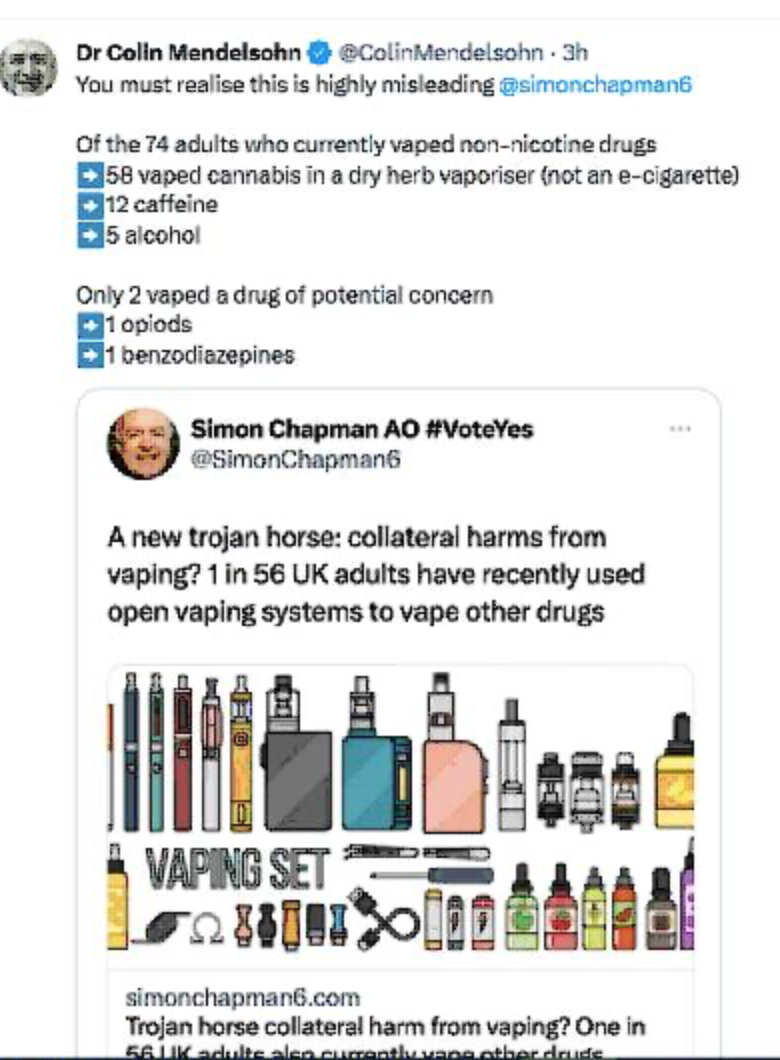








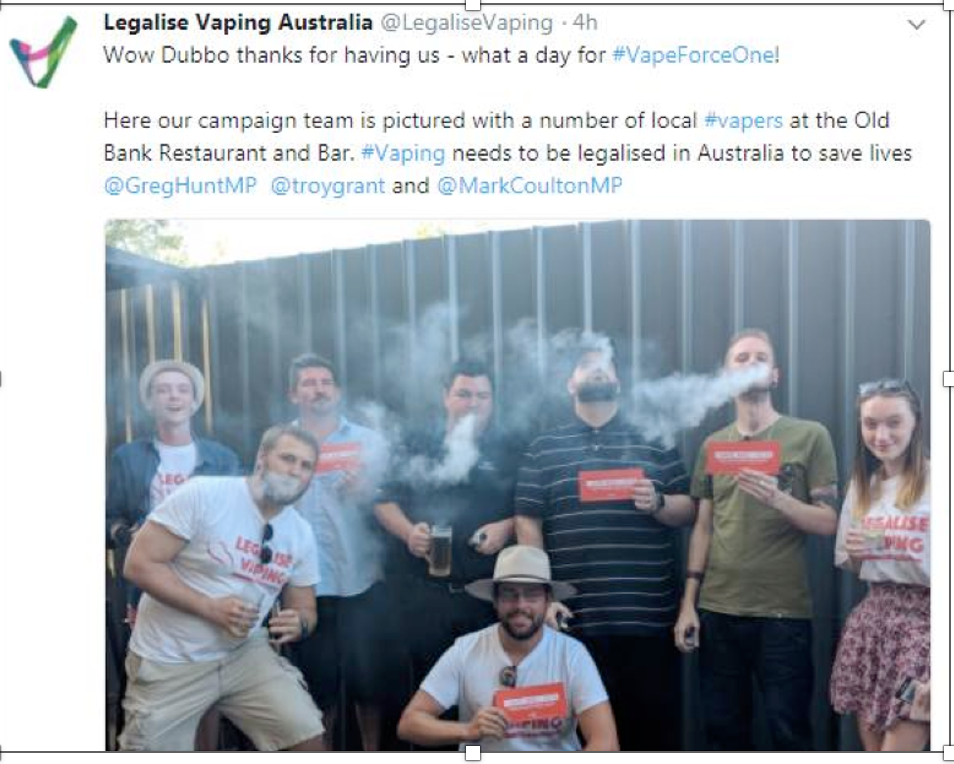
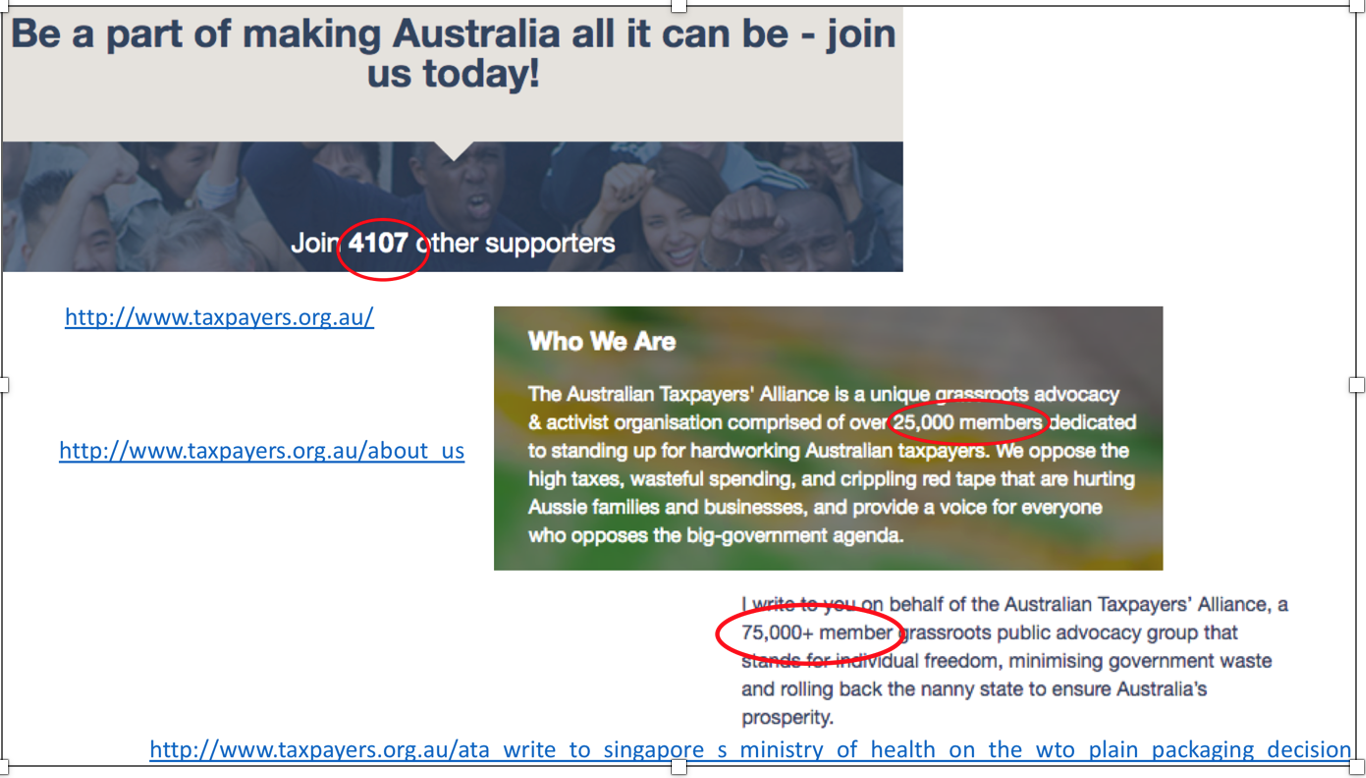

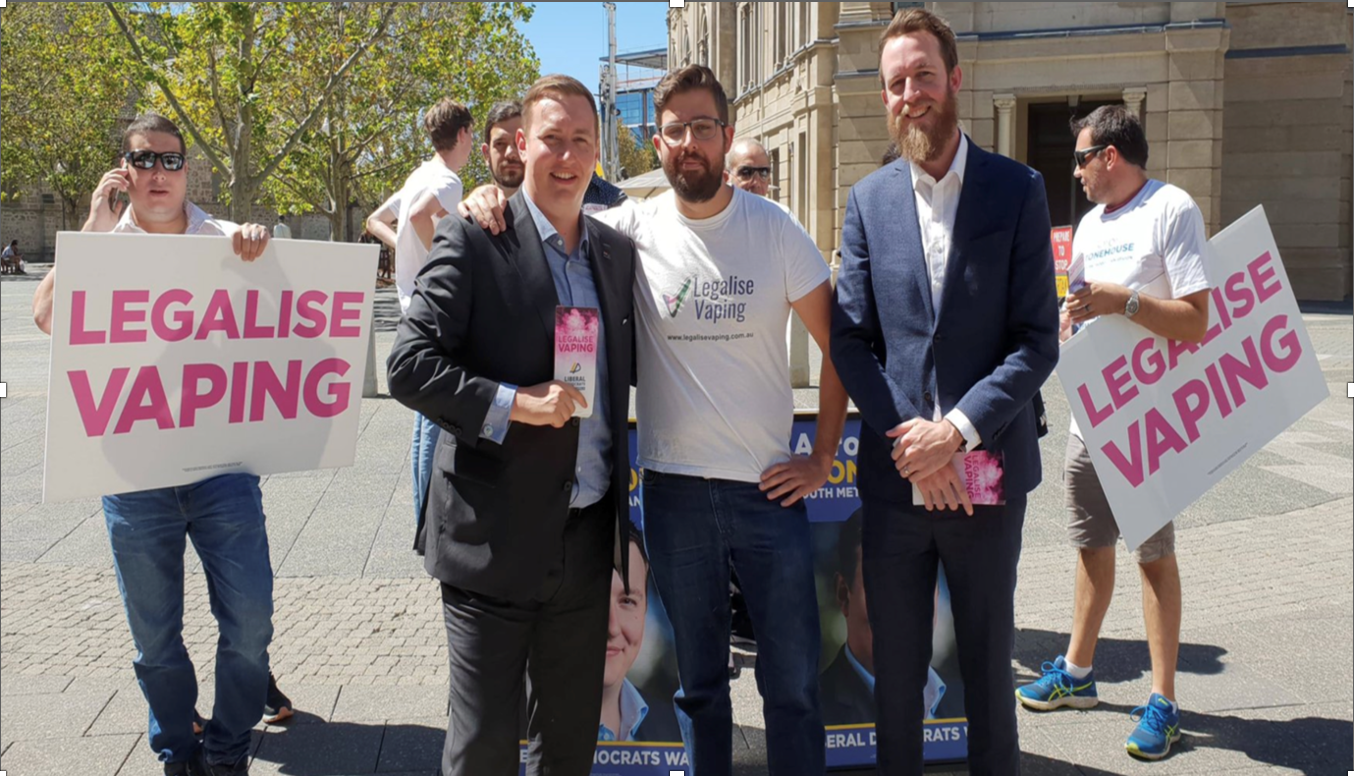


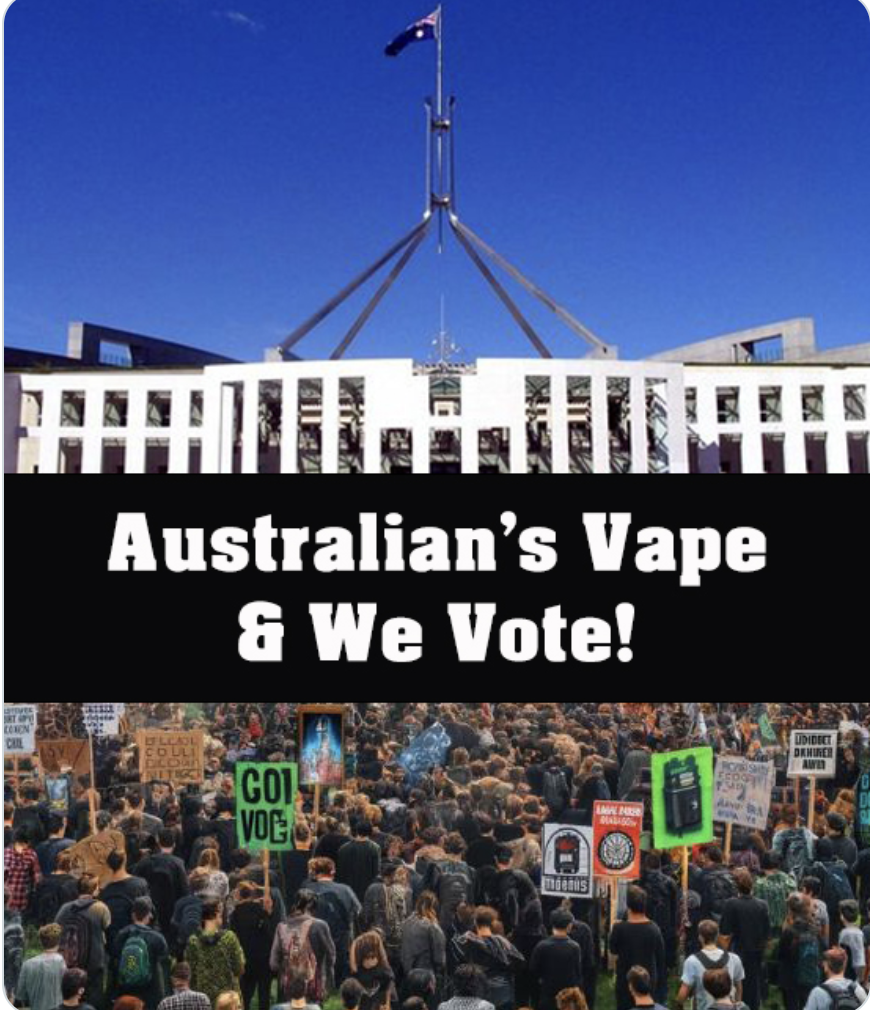
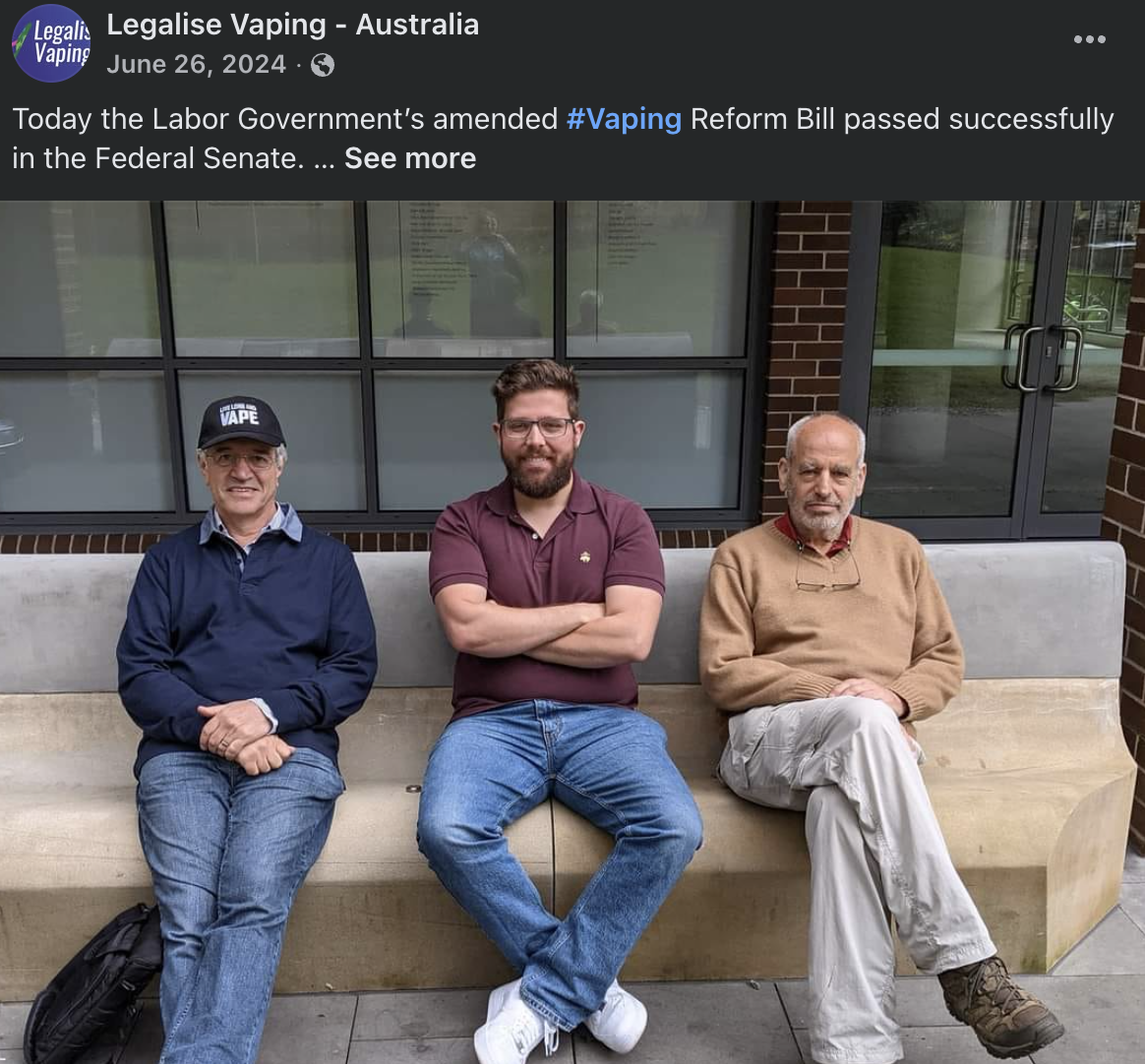


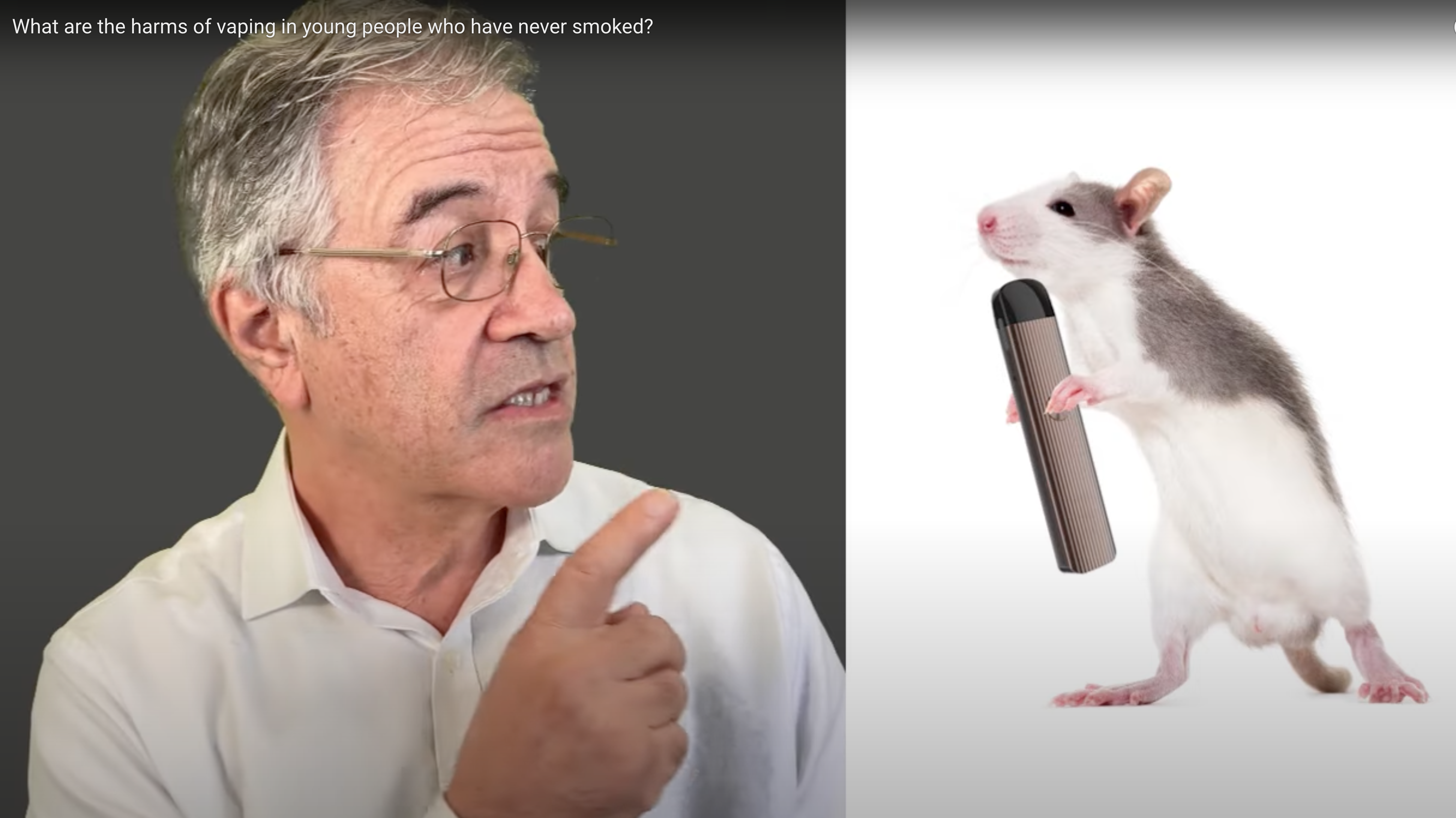






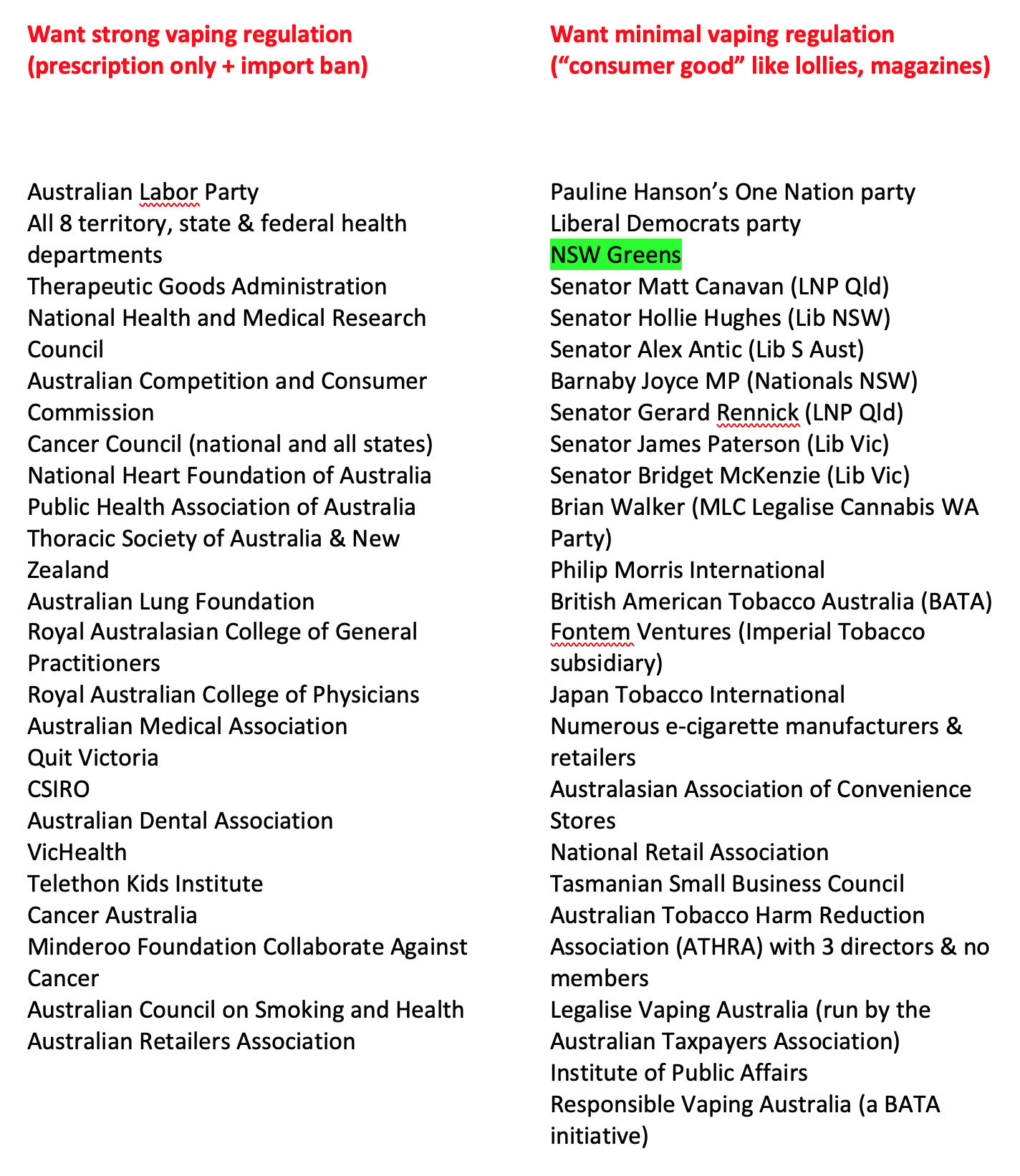
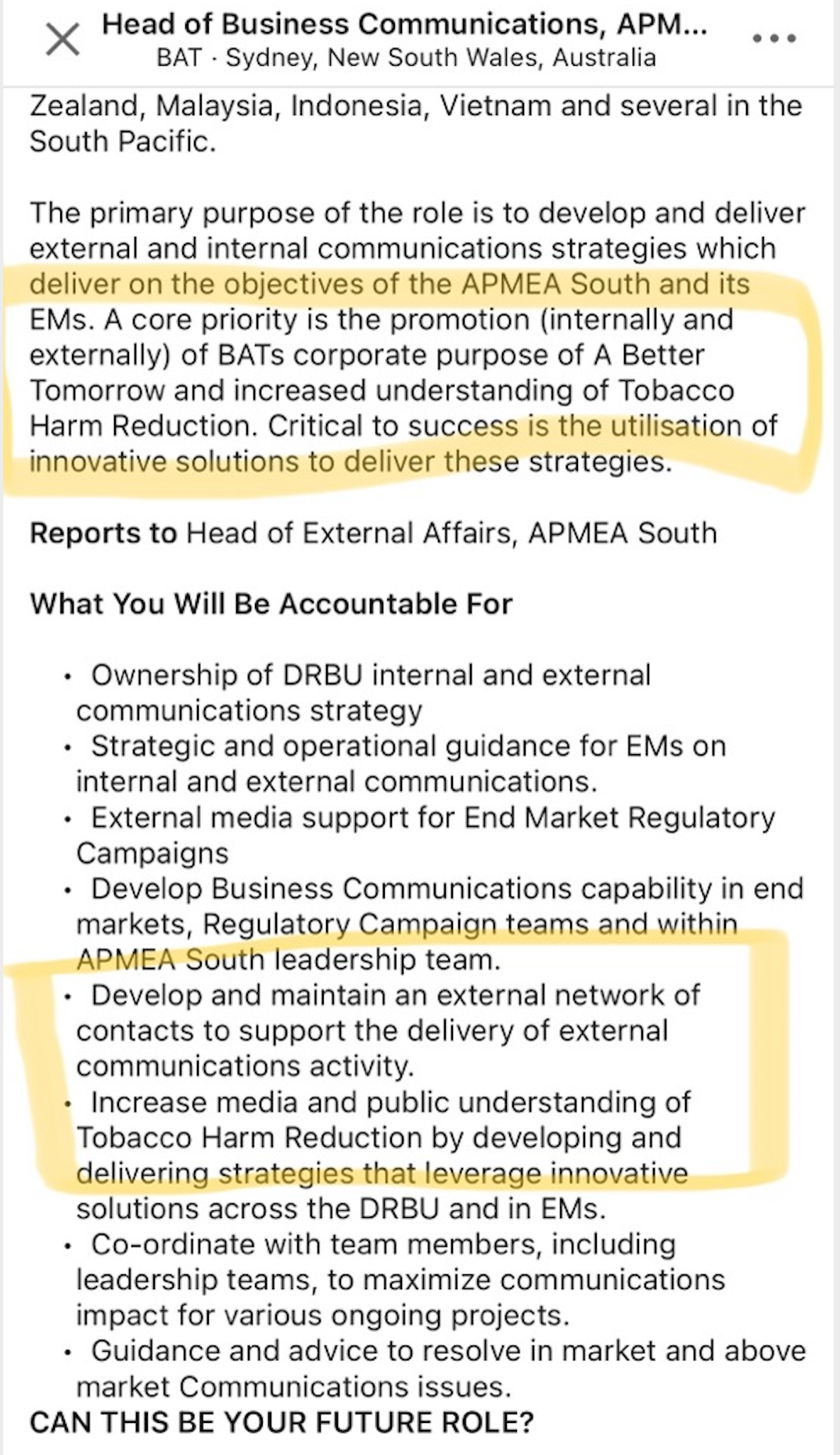
 Simon Chapman AO