Robert Proctor is professor of the history of science at Stanford University. His Golden Holocaust (2011) on the origins of the tobacco epidemic and the disease it causes sits with Alan Brandt from Harvard’s The Cigarette Century (2007) as the two seminal doorstopper-length books chronicling and critically analysing the rise of smoking and its disease epidemics, the tobacco industry’s central role in this and the rise of tobacco control.
Proctor is a friend. We first met in 2008 when I visited him while in California. We got on like a house on fire, with shared instincts on everything we discussed. In 2003-4, I’d published two sets of 31 papers on the tobacco industry’s dissembling efforts to reassure its customers about smoking and health, addiction, passive smoking, pesticides and how it cultivated tame doctors and scientists in these efforts in Australia and Asia.
He loomed large in my list of scholarly mavens in my field whom I wanted to meet. His contributions to historical scholarship commenced in 1982 with a series of papers Nazi racial hygiene, the corruption of science and bioethics and a hugely-cited book The Nazi War on Cancer (1999), which examines how the Nazis advanced science to try and defeat cancer, often using utterly deplorable experimentation and shredding all relevant bioethics.
The Nazis were also very anti-smoking. Predictably, the opponents of tobacco control have often sought to cultivate that meme to paint those in public health as neo-Nazis. In 2008 when I edited the BMJ’s Tobacco Control journal, I commissioned Proctor to write an editorial, On playing the Nazi card, looking at the veracity of that claim. He wrote:
“The industry’s reductio ad Hitlerum is superficial, and ahistorical. The Nazis excelled at rocketry—does this mean that the Apollo mission was ballistic fascism? Many Nazis urged fitness and health through exercise: is jogging therefore athletic fascism? The fact that healthful or progressive policies were occasionally endorsed by the Nazis does not mean they are inherently fascist or oppressive.”
The tobacco industry have long been the sine qua non of industrial-scale efforts to lie and deceive their customers about tobacco use. Its global network conspired to reassure people and politicians that tobacco should not be subject to the controls it is today. It has become the index case in mass commercial deception, inspiring many other industries to use its copybook of strategies and tactics.
In 2008 with Londa Schiebinger he published Agnotology: The making and unmaking of ignorance which to date has been cited 2188 times, turbo-charged from 2016, when Trump elevated the production of fake news to a new apotheosis (see Google Scholar citations figure below).
He coined the word agnotology to denote efforts to deliberately produce and promote lying and deception to create ignorance. The word is from the neo-classical Greek agnosia, meaning “ignorance” or “not knowing”. A limited preview of the book is available here.
This recently updated 80m podcast with Alie Ward interviewing Proctor is 80m very well spent by anyone concerned or enegaged in exposing and countering commercially-driven efforts to lie to the public, as is this summary conversation between two voice robots resulting from Proctor and his co-editor feeding the entire text of their new book into Chat-GPT4.
With MAGA and Trump in turbo-overdrive to keep the public ignorant of inconvenient science and to gut scientific institutions in the service of their mission, the emergence of the science of agnotology could not be more timely.
In my first weeks working at the University of Sydney in the late 1970s, I received a tip-off that a lunchtime talk in the School of Economics would be led by a student who was a Rothmans employee. I went along to a room where about 20 listened to a highly detailed and occasionally furtive talk about how Rothmans gathered its intelligence about what impacted its cigarette sales. The audience were all economics wonks interested in data processing. But I had my then innocent eyes opened to something elementary I’d never forget.
He explained something obvious, if you thought about it. The company had day-by-day, suburb-by-suburb, shop-by-shop and brand variant by brand variant sales data. This was routinely gathered from its delivery van drivers at the end of each day after their stock drop offs. Their sales analysts could map these data against any variable of interest: their prices and those of their competitors, against advertising launches and campaign reach , seasonality and to assess the impact any further bad news reporting on tobacco and disease, or any new policy or campaign the government introduced designed to reduce smoking.
The delivery drivers and a small army of sales workers would also gather qualitative information from shop staff about what customers were saying about anything relevant to smoking. In two papers, my research group later looked at how this was used here and here.
Unsurprisingly, the information collected by on-the-ground staff is used to shape and fine tune company efforts to maximise sales and profits. Compared to the delayed and state or nationally aggregated information available to those in public health via large cross-sectional surveys done every few years, the industry’s intelligence about changes was Exocet precise. Today with instantaneous sales data recording, business intelligence is lightning fast. Price discounting remains the main strategy left to an industry that cannot advertise, promote, place its deadly products in highly market-researched packaging or even display it in shops.
The memory of the Rothmans guy’s presentation came back to me when I read an opinion piece this week in the Guardian coauthored by Ed Jegasothy, from the School of Public Health at Sydney University and Francis Markam from the ANU. Their drift was that Australia has lost its way in tobacco control, despite – they acknowledged — tobacco being “a vitally important public health issue” and smoking rates having “declined remarkably”. They declared that the “growth of the black market fundamentally undermines the health aims of the tobacco excise”.
So are we all getting confused here? Or perhaps it’s the authors who are? If smoking rates have declined remarkably (yes, true see their graph and see here for extra detail on just how much), how has the rise of black market retailing undermined the “health aims” of the tobacco excise when presumably this means lowering smoking and after a lagged period, the diseases it causes?
The major rise of illegal cigarette retailing has certainly eroded excise receipts, but when we survey to measure smoking prevalence, we count smokers regardless of how they buy their cigarettes – excise paid and excise avoided are both counted. Both licit and illicit tobacco kill smokers.
Last year I began seeing Jegasothy quoted in news media on the issue of tobacco tax and smoking prevalence, particularly in low socioeconomic people. Curious, I looked up the authors’ track records on tobacco here and here. Between them they have just one published letter to a peer reviewed journal. [update 20 Jul 2025: they have since published this so far uncited paper on 24 March 2025. To date it is the only paper to have (self-cited) their earlier published letter from July 2024]
This was a critique of a paper on the impact of Australia’s tobacco tax on smoking prevalence. The authors of that original paper responded to the critique with an iron fist in a polite velvet glove writing diplomatically that serious criticism here “should be based on a deep understanding of the tobacco control landscape over this time period” and pointing out why the time period their original study had examined was most appropriate.
The simplistic scream test
Early in their Guardian piece, Jegasothy and Markam disparage the notion that what the tobacco industry protests most about is reasonably seen as a litmus “scream test” for policies that it cares most about. Linking to a recent Four Corners program where I used the expression, they call this “simplistic reasoning” because tobacco manufacturing and retailing price components often quietly rise under the air-cover of heinous, cruel tax rises that grab the headlines. So as long as Big Tobacco is still profitable despite tax rises, they couldn’t care less about these rises. Is that their interesting reasoning?
True, the industry has a history of raising its margins and profiting even further in the shadows of tax increases, but notwithstanding, here are a few historic examples of the industry screaming about tax. The tobacco company Philip Morris (Australia) in 1983 said:
… The most certain way to reduce consumption is through price.
… Of all the concerns, there is one – taxation – which alarms us the most. While marketing restrictions and public and passive smoking do depress volume, in our experience taxation depresses it much more severely. Our concern for taxation is, therefore, central to our thinking about smoking and health. It has historically been the area to which we have devoted most resources and for the foreseeable future, I think things will stay that way almost everywhere.
… A high cigarette price, more than any other cigarette attribute, has the most dramatic impact on the share of the quitting population.
In 2011, British American Tobacco’s boss in Australia, David Crow, publicly acknowledged the impact of tobacco tax, telling a Senate committee:
We saw that last year very effectively with the increase in excise. There was a 25% increase in the excise and we saw the volumes go down by about 10.2%; there was about a 10.2% reduction in the industry last year in Australia. (see here at p xviii)
So if these (and many more like them) do not indicate virulent industry concern about tobacco tax, why has it carried on screaming about tax in the same way for at least 42 years?
How low would tobacco tax need to go to make the black market disappear in Australia?
They write that “government officials remain inflexible, rejecting even temporary pauses in tax hikes”, let alone countenancing the profanity of significant falls in tobacco excise duty.
But those who blithely call for tobacco tax pauses or cuts never name the size of the cuts that would make illegal, duty-not-paid cigarettes less attractive to low-income smokers. Why be so shy? Let me assist here by repeating what I wrote in my last blog.
It’s easy to call for “lower” tobacco tax, but how much lower would it need to be to see budget-conscious smokers switch back to buying taxed cigarettes? A common price for the most popular illegal brand of cigarettes in Australia is $15. The current excise rate on cigarettes in Australia is $1.40313 per stick. So the tax alone on a pack of 20 cigarettes is now $28.06.
A common retail price for popular brands of legal duty paid cigarettes is around $40, with the extra component costs (after tax is deducted) being those going to cigarette manufacturers and retailers. Given that tobacco manufacturing and retailing interests are not talking at all about radically dropping their margins to compete with $15 illegal pack prices, are the “cut the excise” voices then suggesting that the government should therefore “take one for the convenience stores” and give up perhaps all of its tobacco excise ($40-$28 = $12), a price that would certainly go near to blowing illegal retail trade out of the water?
We don’t know how low illegal cigarette retail pricing could fall even further to still remain very profitable to those running it. But by now, simplistic calls to “cut excise” lead us very quickly into this truly absurd territory, when the obvious solution is instead for governments to crack down hard on the illegal retailers, importers and wholesalers. Small cuts would make no significant difference to the large gap between legal and illegal cigarettes. Only massive or even entire scrapping of tobacco excise would bridge that gap. And pigs might fly in that space.
Where incomes are unequal, pricing of every commodity is regressive
When there is income inequality in a society (which is and has always been the case in every nation) then there is inequity in the ability of people with different means to pay for any and every commodity or service, from basic necessities to luxury goods. Cigarettes are no different.
Lowering the price of tobacco would be a disincentive to quitting and reducing the number of cigarettes smoked per day by continuing smokers (this has fallen by 40% from 20 in 2001 to 12 in 2019). It would erode the severe disincentive to take up smoking by highly price-sensitive kids and it would make Australia a pariah in global public health by making it an easier decision to smoke.
Oh, the irony … cheap illicit cigarettes “help the poor” right now
The huge irony in Jegasothy and Markham’s piece of course is that because the most price-sensitive smokers are heavily attracted to cheap duty-not-paid cigarettes, it might be argued that the black market is right now a huge welfare gift to low-income smokers. If every time a pack-a-day smoker buys a $15 pack of black market cigarettes, they save $25 on what they would have paid to buy a popular taxed brand. That’s an annual saving of $9125. So why aren’t they out there urging low income smokers to count their luck and providing lists of illegally trading shops to support them in saving money?
Here of course, they’d be thoroughly wedged by the knowledge that smoking kills up to two in three long time users. Any public health researcher urging that poor smokers be given every encouragement to keep smoking by lowering the price they pay would be recommending a truly perverse way of ‘helping’ disadvantaged people.
Not just tax driving smoking down
In their Guardian piece. Jegasothy and Markham hint that other tobacco control measures may even work better than excise policy.
“Smoking rates have declined remarkably – but at similar rates during periods with and without significant tax increases. This suggests minimal impact from the tax hikes themselves.”
They write that tobacco tax policy is “central” to tobacco control policy and that “policy discussions have been “fixated on tax as a silver bullet” and note that “smoking rates fell during periods of price stability indicates that shifting social attitudes and cultural norms around tobacco use, as well as policies such as smoke-free areas, are playing significant roles in reducing smoking prevalence.”
First, note here that there have been no periods of price stability across the years they consider. Prices have risen over the entire period. And in any case, it’s not just any acute, immediate effect of the increases that needs to be considered. Costliness/affordability exerts an impact even during periods between that dates when increases happen.
All this evinces large scale ignorance of the core guiding principle of tobacco control which has never been only about tobacco tax. Since the 1970s, comprehensive policies and programs in reducing smoking through both preventive and cessation impacts have been the tobacco control policy template. Anyone who has worked in tobacco control and read its vast research literature knows understands this as ABC level awareness.
Far from being fixated on just tobacco tax, those working in tobacco control in Australia from the 1970s have fought (and won) a multitude of policy battles that in total have greatly increased consumer agency and profoundly changed social norms about smoking. Here are some highlights:
Bans introduced between 1973 and ‘76 of advertising of cigarettes on TV and radio, later extended to cinemas, and in print media in 1989 and the internet in 2010
Total bans on advertising and promotion on billboards, outside shops, on public transport vehicles and shelters and throughout all sponsorship of sport and the arts
Complete indoor workplace smoking bans, including on all public transport, and in all restaurants, clubs, bars and pubs. Workplace bans reduce number of cigarettes smoked over 24 hours and were responsible for about 22% of the total decline in tobacco consumption in Australia between 1988-1995 when they were being introduced
Mandatory smoke-free zones in shopping malls, children’s playgrounds and between the flags on beaches
Unique among all general retail products, retail display bans (all stock kept out-of-sight)
Introduction of world-leading and emulated mass reach public education programs in every state and territory and nationally
Globally unique plain tobacco packaging commenced in Australian in 2012, starting a global domino effect that now sees 24 nations having implemented or legislated for their introduction, with more on the way. The industry invested massively to stop this, but always lost
end of all tobacco growing in Australia (this let the air out of the industry’s tyres to lobby via growers in the few electorates where tobacco was once grown)
end of all tobacco manufacturing (BAT and Philip Morris products are all now imported). This benefits tobacco control because there’s now negligible local industry employment and all profits are repatriated, a disbenefit to the balance of trade and therefore an incentive for governments to reduce smoking further)
The industry understands that all the above make it an unattractive employment choice which creates staff quality problems
Like Jegasothy now, I worked in the University of Sydney’s School of Public Health for several lengthy periods from 1977. I helped write and teach units of study in the first year in the first Masters of Public Health in the southern hemisphere and spent 17 years editing the BMJ’s specialist Tobacco Control journal from its 1992 launch. I’ve never met Ed and am unaware of any contribution he has made to tobacco control other than through his efforts to critique tobacco tax.
Criticism is a sacred duty of scholarship, but so is collegiality and constructiveness. Regardless of how much of a role taxes have played in reducing smoking in Australia, cutting them now would undoubtedly increase smoking, particularly so among young people and the most disadvantaged Australians. This is why every player with financial skin in the game is piling on to attack excise taxes.
Informed specific investigation of ways of actually reducing illicit trade in tobacco are the global focus of a huge amount of scholarship and collaborative work. It is an immensely sticky problem. No party with any standing, track record or credibility calls for the same response that those invested in having as many as possible smoking support tax cuts.
Australia has pioneered the regulation and sale of a large and diverse list of both useful and harmful consumer goods. Firearms, prescription medicines, asbestos, unleaded petrol, vehicle and consumer safety standards are several examples. We have an enviable track record and matching outstanding global ranking on health vital statistics. No nation has ever eliminated illegal tobacco, but many are now watching how current efforts will progress.
Big Tobacco and its errand boys in the convenience store industry are clearly limbering up to try and make illicit cigarettes and vapes a hot button issue in the forthcoming election.
The buttons they are hoping to push are a wind back in tobacco excise, and scrapping of the pharmacy-only regulatory model of vape access. This would allow virtually any registered retailer to sell vapes, something many convenience stores have been doing illegally for years and continue to do so. So a great idea — let’s reward them now for years of ignoring the law, as they clearly have built community trust as responsible retailers!
The main games here, under the cover of raising community alarm about criminality in tobacco and vape retailing, are to remove the exclusive sale of vapes from pharmacies and the forlorn hope that lowered tobacco tax will see mass criminal exit from selling cheap cigarettes. As we will see, this fantasy has all the integrity of a chocolate teapot.
The Australian Association of Convenience Stores which has a long history of tobacco industry support and its chief executive Theo Foukkare who started his career with British American Tobacco, recently publicised its latest commissioned report on illegal tobacco retailing. In a report in The Australian, Foukkare wanted the government to freeze excise on tobacco products for four years. A few days before, he went further “it is time for the Government to seriously consider lowering the excise on tobacco”.
Foukkare, nor any other advocate for lowering excise, ever go beyond this slogan. But as we shall see later in the blog, excise reductions would need to be simply galactic to make legal cigarettes price competitive with illegal duty-not-paid cigarettes.
Two National Party MPs have also called for tobacco tax to be reduced in Australia to make legal, duty-paid cigarettes more competitive. The National Party receives financial support from British American Tobacco and Philip Morris International, which have lost every policy debate on tobacco control since the 1970s when the first pack health warnings appeared.
Both the ABC’s Four Corners and Nine’s 60 Minutes have very recently covered the issue, leading and promoting their programs with memorable graphic footage of standover firebombings of stores, as rival criminal gangs viciously shirtfront each other for greater control of the lucrative illegal market.
Australia currently has the highest retail and among the least affordable prices in the world (see two graphs below), and no one disputes that those who buy cheap illegal cigarettes here, as in every country which has illegal tobacco trade, are motivated alone by lower prices. So would lowering the price by lowering excise in Australia, see those running the many shops selling illegal cigarettes just walk away?
An obvious question
A most obvious question to ask here is “do nations with more affordable legal cigarettes, also have significant tobacco black markets?” If they do, it would be clear that criminals will continue to see large opportunities to sell illegal stock regardless of how high or low the prices of legal cigarettes are. The cut-the-tax house of cards would tumble down in the first breeze of evidence.
The commercially-motivated magic bullet of lowering tobacco tax to lower illicit sales reflects a parochial ignorance of global illicit trade in tobacco, and the lack of a consistent relationship between the operation of that trade and the retail price of legal tobacco. Low income nations (for example) Vietnam, Philippines and Senegal where tobacco is dirt cheap are often also awash with black market cigarettes.
But what about nations that are more socially and economically comparable to Australia? Before I look at three such countries (USA, UK, Canada), a brief overview of the published literature on global illegal tobacco trade, including in Australia.
Illicit tobacco trade: a very long history
Some commentators on illicit tobacco trade appear to have come down in the last shower. This is a global phenomenon which has a long history. Over 30 years ago in 1994, tracking of European tobacco export and import data found a 30.8% difference between the number of cigarettes officially exported and imported. The only plausible explanation for these missing cigarettes was smuggling, particularly of expensive premium brands moving from northern Europe into lower income eastern and southern European markets.
The tobacco industry has long been active in supplying cigarettes to the illegal duty-not-paid trade while trying to alarm governments about excise tax losses and lobbying for reduced excise. A 2019 systematic review of 35 assessments of the extent of illegal tobacco trade found that 31 of these reported that tobacco industry estimates of the extent of illegal trade were higher than independent estimates by researchers with no tobacco industry ties. Lack of transparency from data collection right through to presentation of findings was a key issue with insufficient information to allow replication of the findings frequently cited.
The authors concluded thattobacco industry data on illegal tobacco trade are not reliable and are intended to talk up the problem in the hope that governments would hobble policies like tax and plain packaging that have serious potential to reduce smoking.
There has been a long history of illegal retailing of duty-not-paid cheap cigarettes and loose “chop chop” tobacco in Australia, with reports of use back to 2001. Tobacco industry estimates of the proportion of tobacco use in Australia sourced illegally since 2012, ranged from 11.8-23.5%, substantially higher than independent estimates from the Australian Taxation Office’s revenue gap analysis which estimates 5.4 to 14.3% between 2015-16 and 2022-23. The ATO estimates that approximately 18% of tobacco for sale is illicit.
Illicit trade in UK
The graphs above show cigarettes today are cheaper and more affordable in Britain than in Australia. A 2024 report by the UK’s HM Revenue and Customs concluded that the forgone value of the “illicit market in tobacco duty and related Value Added Tax was £2.8 billion in 2021 to 2022.The proceeds of this crime fund the smuggling of weapons, drugs, and even human beings across the globe. We must tackle the cancer of organised criminal groups as unwaveringly as we tackle the harms of smoking itself.”
Years of effort by UK Border Force “have reduced the estimated duty gap for cigarettes by a third (from 16.9% in 2005 to 11% in 2021 to 2022) and for hand-rolling tobacco by a half (from 65.2% to 33.5% over the same period).”
From April 2015 to March 2023, this resulted in:
£10 billion: tobacco duty receipts in 2022 to 2023
10.6 billion: non UK-duty paid cigarettes seized by HMRC and Border Force
1,600 tonnes: non UK-duty paid hand-rolling tobacco seized by HMRC and Border Force
1,571: people convicted of tobacco crime offences
8,000: assessments to recover unpaid excise duty
9,304: excise wrongdoing penalties issued for tobacco offences
£298 million: value of penalties and assessments raised
Illicit tobacco trade in USA and Canada
The graphs above show both cigarette prices and affordability in the US are much lower than in Australia. In 2024, the average cost of a pack of 20 cigarettes was $US8 ($AUD12.71) compared with Australia at around $40. Nonetheless, illicit traffic in the US is decidedly non-trivial.
The 2015 report from the US National Academies Understanding the US illicit tobacco marketestimated the total market represented by illicit sales in the United States was between 8.5 percent and 21 percent of the total. It recommended that“research and data are needed about the individuals and criminal networks who traffic in illicit tobacco.”
So like Australia where nation-wide high tax and prices have attracted significant illicit trade, high tobacco taxing US and Canadian states also attract incoming illicit trade from lower taxing states. But the critical point to make here, is that even though cigarettes are considerably more affordable than in Australia, illicit traders still have major involvement in tobacco commerce.
These US and Canadian examples illustrate that for whatever reason, where you have high retail prices, criminals will seek to illegally undercut these, and it doesn’t matter how low the prices are, they will still try to do it. New York’s average pack price is $US14.55 ($A23.12) far less than Australia’s ~$40, and far more affordable than Australia’s. And in very low income countries, dirt cheap legal cigarettes are still undercut by illicits.
Market research firm Circana estimates that in 2024 sales of unauthorised, flavoured disposable vapes in the US amounted to 35% of the $6.8 billion worth of e-cigarettes sold in tracked convenience stores and supermarkets. And this estimate does not include massive on-line sales or those from vape shops. The FDA puts the proportion of vapes being sold in the US which do not have a required FDA marketing order at 86.4%. Vapes are sold openly in most of the US, as they are in Canada and the UK.
Canada
Taxes and prices are also considerably lower and cigarettes considerably more affordable in Canada than in Australia. The Canadian convenience store industry recently stated low-cost tobacco products have become a “major selling feature” for well-known and established organized criminal groups such as the Hell’s Angels. “It is absolutely organized crime at the highest level. It’s a billion-dollar industry for (organized criminal groups). It involves all the levels of violence, and extortion and gangsterism that comes along with it.” ) In Canada illegal sales outnumber legal sales in one province by 52% and 36-45% in three others.
The dramatic data above instantly repudiate claims that open access sales of vapes and cheaper, more affordable legal duty-paid cigarettes prevent or even reduce illegal supply and deter criminal involvement.
Tobacco control—including tax policy – has driven smoking to its lowest ever level
Both 60 Minutes and Four Corners featured ex-Australian Federal Police and former Border Force Tobacco Task Force head Rohan Pike. Pike was described by 60 Minutes as someone “who now advises the retail sector” and by Four Corners as “a lobbyist for retailers”. But neither program asked Pike whether he was advising the convenience store industry out of the goodness of his heart, or whether he had any financial relationship with them.
Pike told 60 Minutes “excise rates are the primary driver of this problem from the start, we should be looking to reduce the excise rates” and hyperbolically described the illicit trade situation as “This policy is perhaps one of the biggest failures in Australian history, really.” A memorable soundbite, but “really”? Really? Bigger even than the housing crisis? The AUKUS submarine debacle? Indigenous health and incarceration rates? The plight of the Great Barrier Reef?
In the 60 Minutes program, veteran organised crime observer John Sylvester stated “putting heavy tax on smoking was done for two quite legitimate reasons: to raise revenue and secondly to discourage people from smoking. So governments and authorities would look and go, ‘Wow, our excise is down, that means people aren’t smoking.’”
Well, no. Only the most inexperienced analysts of tobacco and nicotine use in Australia would ever exclaim that a fall in total excise receipts could only be due to a fall in smoking. People moving to illicit duty-not-paid cigarettes would clearly reduce total excise but this would not allow any sensible conclusion about whether smoking was falling or rising. The proportion of people who buy their cigarettes from illegal supplies is an entirely different question from the proportion of people who smoke. It’s not about how or where you get your cigarettes, it’s about whether you get them at all.
Mark McKenzie, CEO of ACAPMA, Australia’s fuel industry lobby group, has also swallowed the tobacco consumption is rising argument writing that the explosion of illicit retailers “is clear evidence of a rising tide of tobacco consumption – one that government statistics fail to capture”. No Mark, it’s clear evidence of criminal interests fighting intensely over the shrinking market of smokers.
In a recent blog I showed that data on smoking prevalence from the National Drug Strategy Household Survey collected since 1998, shows smoking is now lower than it’s ever been, with the most recent fall being the largest seen since surveys began. Smoking by kids is heading toward extinction.
So how low would tobacco excise need to go to make the black market disappear in Australia?
It’s easy to call for “lower” tobacco tax, but how much lower would it need to be to see budget-conscious smokers switch back to buying taxed cigarettes? A common price for the most popular illegal brand of cigarettes in Australia is $15. The current excise rate on cigarettes in Australia is $1.40313 per stick. So the tax alone on a pack of 20 cigarettes is now $28.06.
A common retail price for popular brands of legal duty paid cigarettes is around $40, with the extra component costs ( after ~$12 tax is deducted) being those going to cigarette manufacturers and retailers. Given that tobacco manufacturing and retailing interests are not talking at all about radically dropping their margins to compete with $15 illegal pack prices, are the “cut the excise” voices then suggesting that the government should therefore “take one for the convenience stores” and give up perhaps all of its tobacco excise ($40-$28 = $12), a price that would certainly blow illegal retail trade out of the water?
We don’t know how low illegal cigarette retail pricing could fall to still remain very profitable to those running it. But by now, simplistic calls to “cut excess” lead us very quickly into this truly absurd territory, when the obvious solution is instead for governments to crack down hard on the illegal retailers. Small cuts would make no significant difference to the large gap between legal and illegal cigarettes. Only massive or even entire scrapping of tobacco excise would bridge that gap.
Recent advocacy by convenience stores to list the river of extra money that the government would receive if excise tax was “lowered” and smokers flooded back to buying legal cigarettes would therefore be conditional on the government removing most or all of the very tobacco tax which the convenience stores say would start pouring again into the coffers. So how does that all work again?!
Enforcement of the law: the missing elephant in the room
The giant Achilles heel of rampant illegal retailing of cheap, duty-not-paid cigarettes in Australia is its sheer blatancy. Every shop selling them and every on-line ad for courier delivered vapes reaches out to its customers with often unmistakable signage and none too cryptic on-line language (eg: fruit, many varieties). “Here we are, come on in, or txt us a meeting point where we’ll deliver the vapes”. It could hardly be more in-your-face. I recently counted 22 cheap smokes shops in just two adjacent Sydney suburbs.
If ordinary citizens can locate these outlets with absolute ease, it is obvious that so can those charged with investigating and enforcing the laws. So why are the shops proliferating and prosecutions occurring at dismal rates? Many of the public are asking this question. Health Minister Mark Butler this week encouragingly announced $156.7m extra for police enforcement.
Those selling illegal recreational drugs do not open shops with signs like “Cheap meth, heroin, ecstasy here”. The government has for many decades “banned” all retailers other than pharmacies from selling prescribed drugs, but criminal gangs have not set up high street shops all over the country with signs “Get your medicines here – no prescription needed!” Neither do we see every second corner shop without a liquor licence selling alcohol. In both cases, the law would come down very fast and hard.
Australian governments now have national and state laws with numbingly high maximum penalties for selling illegal vapes and duty-not-paid smuggled tobacco. These penalties are set at levels designed to seriously deter both major a small-level commercial involvement in these illegal sales.
The fuel industry’s Mark McKenzie, the convenience stores’ Theo Foukkare and Big Tobacco all have got one thing very right: governments need to act quickly on illegal trade. Illegal and legal cigarettes are both deadly (up to two in three long term smokers die from tobacco caused disease). Legal tobacco retailers, like petrol-driven car manufacturers, DVD hire shops and typewriter manufacturers know they are well into the endgame of having large customer numbers who still want to buy their products.
As with illicit drugs, no government has succeeded in eliminating all contraband tobacco. But some, like the UK, appear to have made major in-roads into the illegal tobacco problem.
Australia’s pharmacy vape access policy together with governments acting against illegal retailers and importers, could feed a global appetite for a template that will make smoking history. So what is Australia waiting for?
Population-focussed tobacco control in Australia has seen smoking prevalence fall to its lowest ever levels for both adults and teenagers. Teenage smoking is all but extinct – an amazing achievement. This has been driven by 50 years of successful public health advocacy for policies, legislation and campaigns increasing public and political awareness intended to foment declines in smoking. Since the 1970s in Australia, there has been no advocated tobacco control policy that has failed to be taken up by governments. The tobacco industry has lost every battle it fought. All cigarette factories have closed and you seldom see anyone smoking in the street. Smoking is a pale shadow of what it was 40 years ago.
Sitting astride all of this has been the continual and progressive denormalization of both smoking and the tobacco industry. Ninety percent of smokers regret ever starting. There’s no product whose users are so disloyal. All political parties except the hillbilly Nationals refuse to accept tobacco industry donations and would rather be photographed with the Grim Reaper than be seen enjoying tobacco industry hospitality.
But over the 45 years I’ve worked in tobacco control, I’ve lost count of the number of times people have assumed I would want to give my support to some truly loopy and sometimes unethical policies. Four leap out. I’ll briefly outline the first three, then go to town on the why the fourth – censorship of films showing people smoking – is the mothership of muddled thinking, indeed stupidity.
1: Got some new way to quit? Sign me up!
Many assumed that I would want to rush to embrace and recommend almost any agent or process intended to help smokers quit. Rarely did a month pass when I was not contacted by a breathless enthusiast for some new purported breakthrough. These included any new way of consuming nicotine other than smoking (I’m still waiting for nicotine suppositories, but surely it can’t be long); any new drug; any complementary procedure maximally accompanied by soothing, holistic placebo-enhancing mumbo-jumbo and eye-watering costs for consumers; any “professional” intervention featuring the nostrums of doctors, nurses, pharmacists, psychologists and counsellors in clinical, group, on-line or app settings.
A piece I wrote 40 years ago in the Lancet (“Stop smoking clinics: a case for their abandonment” see pp154 here) set out why well-intended dedicated quit smoking centres were distractions from the main goal of reducing smoking across whole populations. They were never going to make any serious contribution to reducing smoking nationally because smoking was so widespread and interest in attending such clinics so low, that impossibly massive numbers of clinics would need to open for them to make a difference.
In 2009, again in the Lancet, I proposed the “inverse impact law of smoking cessation” which states “the volume of research and effort devoted to professionally and pharmacologically mediated cessation is in inverse proportion to that examining how ex-smokers actually quit. Research on cessation is dominated by ever-finely tuned accounts of how smokers can be encouraged to do anything but go it alone when trying to quit―exactly opposite of how a very large majority of ex-smokers succeeded.”
I then quantified this with a look at how research on quitting had become overwhelmingly focussed on assisted quitting, with research into unassisted quitting far less common. This was truly bizarre given that no one disputes that the most common way of quitting used in final successful quit attempts has always been to do it cold turkey. So why not learn more about that and shout it from the rooftops?
My contributions caused apoplexy and multi-signatured condemnations from those who had tethered their career sails to assisting smokers. My 2022 book Quit smoking weapons of mass distraction looked in depth at why professional smoking cessation was dominated by the tiny “tail” of treatments, while the large “dog” of real world unassisted quitting was often denigrated by tobacco treatment professionals and the pharmaceutical industry, for obvious self-interested reasons.
2. The smoker-free workplace
A second perennial bad idea proposed that employers should be allowed to reject applicants (for any job) who smoked, even if they were completely agreeable with smokefree workplace policy and did not want to take divisive “smoking breaks” not available to non-smokers. Henry Ford pioneered early workplace smoking bans in his car factories (see photo below) But a century on, some were now arguing that even if workers smoked entirely in the privacy of their own life, employers could threaten them with unemployment because they smoked.
Two arguments were typically used by advocates for this policy
1: employers’ rights to optimise their selection of staff (smokers are likely to take more sick leave and breaks)
2: enlightened paternalism (‘‘tough love’’).
The first argument fails because while it is true that smokers as a class are less productive through their absences, many smokers do not take extra sick leave or smoking breaks. By the same probabilistic logic, employers might just as well refuse to hire younger women because they might get pregnant and take maternity leave, and later take more time off than men to look after sick children. Good luck with that argument!
But what about paternalism? There are some acts where governments decide that the exercise of freewill is so dangerous that individuals should be protected from their poor risk judgements. Mandatory seat belt and motorcycle crash helmets are good examples.
It was argued that the threat of ‘‘quit or reduce your chances of employment’’ was founded on similar paternalism. I think the comparison is questionable.
Seat belt and helmet laws represent relatively trivial intrusions on liberty and cannot be compared with demands to stop smoking, something that some smokers would wish to continue doing. By the same paternalist precepts, employers might consult insurance company premiums on all dangerous leisure activity, draw up a check list and interrogate employees as to whether they engaged in dangerous sports, rode motorcycles, or even voted conservative!
Many would find this an odious development that diminished tolerance. There is not much of a step from arguing that smokers should not be employed (in anything but tobacco companies where perhaps it should be mandatory?), to arguing that they should be prosecuted for their own good.
3. Finish the job … ban smoking in all outdoor public areas
When the evidence mounted in the early 1980s that breathing other people’s smoke was not just unpleasant to many but could cause deadly diseases like lung cancer, bans on smoking followed in enclosed areas like public transport, workplaces and eventually the “last bastions” of ignoring occupational health: in bars, pubs and clubs.
Some in tobacco control then excitedly began to argue “why stop now? Let’s extend bans to even wide-open spaces like parks, beaches and streets.” The teensy-weensy problem here was that all the evidence on breathing other people’s smoke being harmful came from studies of long-term exposure in homes and workplaces. There was almost no evidence that fleeting exposures of the sort you get when a smoker passes you in the street is measurably harmful.
So banning smoking in wide-open outdoor spaces was not a policy anchored in evidence about health risks to others.
Accordingly, I advocated for smoking prisoners to be allowed to smoke in outdoor areas, for ambulatory patients and their visitors to be able to smoke in hospital grounds if they chose to and for smoking to be allowed in streets. When I was a staff elected fellow of my university’s governing Senate, I voted against a (failed proposal) for a total campus ban on smoking in favour of having small dedicated outdoor smoking areas (see photo). I set out my concerns in these papers, here, here and here.
This marked me as a heretic for some. But as I argued in one of these “I have had heated discussions with some colleagues about this who are triumphant that the proposed ban [on smoking in prisons] will help many smoking prisoners quit. I agree that it will, and that is a good thing. But so would incarcerating non-criminal smokers on an island and depriving them of cigarettes. We don’t do that not just because we can’t, but because it would be wrong. The ethical test of a policy is not just that it will “work”. In societies which value freedom, we only rarely agree to paternalistic policies which have the sole purpose of saving people from harming themselves if they are not harming others.”
4. Ban smoking in movies, or slap them with box-office killing R-ratings
But true peak silliness in tobacco control advocacy arrived when a small number of people began arguing for all movies which depicted smoking to be either banned, or more commonly, slapped with R (18 and over) classifications, known to severely reduce box office receipts. This threat would see most film producers order their directors to impose on-screen smoking bans.
I first flashed bright amber lights on this idea in 2008. With a US co-author, I followed up with four arguments against this proposal in this PLoS Medicine paper and this response to criticism that followed. Much of our paper was hypercritical of research that purports to show that there is a strong association between kids seeing smoking in movies and their subsequent smoking. Some – including even the World Health Organization – even tried to extrapolate attributable fraction estimates of the number of deaths down the track that this exposure would cause down the track in what was an uncritical orgy of highly confounded leaping from simple associations to causal statements. The huge number of assumptions and uninhibited reductionist reasoning in this exercise was quite extraordinary.
The main problem here was that when characters smoke in films, they do not just smoke: they bring to their roles a constellation of other attributes that are likely to be deeply attractive to youth at-risk of smoking.
As we wrote: “Teenagers select movies because of a wide range of anticipated attractions gleaned from friends, trailers, and publicity about the cast, genre (action, sci-fi, teen romance, teen gross-out/black humour, survival, sports, super hero, fantasy, and so on), action sequences, special effects, and soundtrack. It is likely that youth at risk for current or future smoking self-select to watch certain kinds of movies. These movies may well contain more scenes of smoking than the genres of movies they avoid (say, parental-approved “family friendly,” wholesome fare like the Narnia Chronicles or Shrek).
Teenagers at risk of smoking are also at higher risk for other risky behaviors and comorbidities. They thus are likely to be attracted to movies promising content that would concern their parents: rebelliousness, drinking, sexual activity, or petty crime. … Movie selection by those at risk of smoking is thus highly relevant to understanding what it might be that characterizes the association between young smokers having seen many such movies and their subsequent smoking. Movie smoking may be largely artifactual to the wider attraction that those at risk of smoking have to certain genres of films. These studies rarely consider this rather obvious possibility, being preoccupied with counting only smoking in the films.
By assuming that seeing smoking in movies is causal, rather than simply a marker of movie preferences that have more smoking in them than the movie preferences of those less at risk, authors fail to consider problems of specificity in the independent variable (movies with “smoking”). It may be just as valid to argue that preferences for certain kinds of movies are predictive of smoking. The putative “dose response” relationships reported may be nothing more than reporting that youth who go on to smoke are those who see a lot of movies where smoking occurs, among many other unaccounted things.”
All this was silly enough, but where the silliness became weapons-grade in its over-reach was the way in which some in public health didn’t hesitate to decide they had every right to start urging that governments should censor movies (and presumably theatre, books, art, smoking musical performers) which showed smoking.
We wrote:
“most fundamentally, we are concerned about the assumption that advocates for any cause should feel it reasonable that the state should regulate cultural products like movies, books, art, and theatre in the service of their issue. We believe that many citizens and politicians who would otherwise give unequivocal support to important tobacco control policies would not wish to be associated with efforts to effectively censor movies other than to prevent commercial product placement by the tobacco industry.
The role of film in open societies involves far more than being simply a means to mass communicate healthy role models. Many movies depict social problems and people behaving badly and smoking in movies mirrors the prevalence of smoking in populations. Except in authoritarian nations with state-controlled media, the role of cinema and literature is not only to promote overtly prosocial or health “oughts” but to have people also reflect on what “is” in society. This includes many disturbing, antisocial, dangerous, and unhealthy realities and possibilities. Filmmakers often depict highly socially undesirable activities such as racial hatred, injustice and vilification, violence and crime. It would be ridiculously simplistic to assume that by showing something most would regard as undesirable, a filmmaker’s purpose was always to endorse such activity. Children’s moral development and health decision-making occurs in ways far more complex than being fed a continuous diet of wholesome role models. Many would deeply resent a view of movies that assumed they were nothing more than the equivalent of religious or moral instruction, to be controlled by those inhabiting the same values.
The reductio ad absurdum of arguments to prevent children ever seeing smoking in movies would be to stop children seeing smoking anywhere.”
Despotic and fundamentalist religious governments have huge appetites for censorship (think North Korea and Afghanistan under the Taliban). But in the west, there is a long and often disturbing queue of single-issue advocates who would wish to see greater state intervention in cultural expression. Precedents for such doors to be opened should be treated with great caution. If scenes of smoking should be kept from childrens’ eyes, why stop there?
The slippery slope is today well-oiled in the USA where in a growing number of Republican states a large range of books are being removed from school libraries at the behest of Christian family-values activists.
The Google Trends graph below shows that globally the debate about R-rating smoking in movies had a massive rush-of-blood from 2004-2009, with attention waning in the years since. Advocates for censorship and R-rating have succeeded in several national and global agencies endorsing their calls. But significantly, no nation has legislated to R-rate smoking films.
Even if they did, as far back as 2004, 81% of under 18s were allowed by their parents to view R-rated movies in the USA occasionally, some or all of the time. With all the myriad ways available today to view movies on-line, via downloads, movie swapping and piracy, any thoughts that R-rating would achieve anything look increasingly absurd.
The Tobacco In Australia website has a very thorough section on all the debating points relevant to the whole issue.
Google Trends “smoking in movies” 10 Jan, 2023: 2004-present, worldwide
Across my career, I’ve often been asked by media interviewers “What got you involved in the sort of work you do? What drives you to keep at it?” Depending on who’s asking, there’s an occasional edge to the questions presaging that a little probing will lift the lid on a deep moralistic busybody, driven by a barely disguised missionary zeal to lead sinful smokers off the pernicious path of self-destruction and into a wholesome life of glistening health.
In the 1970s, when I first started working in health, I’d sometimes sense the same assumptions in people I talked to at parties. When they asked “what do you do?” and I answered that I worked in tobacco control, I’d often sense the hesitancy: he probably doesn’t drink. Never smoked dope. No chance of any fun or sex with this guy. He probably thinks the music’s too loud. Steer well clear.
Early anti-smoking efforts in the years before strong evidence rolled out in the early1950s that smoking was deadly were deeply mired in puritanism and ideas that the body was a temple from which the devil and his work had to be driven out. The evils of drink, smoking, masturbation, temptresses and reading novels travelled together in a morals crusade that extoled abstention from fun and pleasure. Purse-lipped temperance groups picketing pubs, jokes about Methodists who eschewed dancing and the rest, and the way that smoking and under-age drinking were pretty reliable markers of kids who were often more edgy and interesting than their heads-down classmates all coalesced in those early days to make any mention of tobacco control a tad suspect.
When the Niagara of evidence became undeniable that smoking was out on its own as a cause of disease affecting almost every part of the body, the moralists’ chorus was joined by doctors and health authorities who had long also brought us warnings about other dangers that we were thankful to receive. Just as no-one thinks of a lifesaver at the beach warning about sharks or dangerous rips as a moralist or killjoy, the overwhelming evidence that smoking was harmful radically changed the complexion of anti-smoking efforts. This became ethically turbo-charged when strong evidence emerged that chronic exposure to other people’s tobacco smoke was also deadly.
Seventy four years along from these early studies, research has repeatedly confirmed that around 90% of smokers regret ever starting. While some die-hard smokers still want to trot out their favourite talismanic self-exempting beliefs (“plenty of people smoke all their lives and don’t die early”, “everything’s bad for you these days”, “what about all the air pollution we breathe on every day?”, “I keep fit, so get the nasty stuff out of my system”), and some insist that smoking is pleasurable, most smokers today are reluctant, embarrassed and apologetic. A huge majority have tried to quit and I’ve never met a smoker who hoped their children would take it up. There are few — if any — products with such a near-universal disloyalty and resentment among their consumers.
Most occupations and professions don’t attract the sort of questioning I described earlier. I can’t imagine ever saying to an accountant “so what was it that got you interested in accounting when you started?” or asking a dry cleaner “you’ve been doing this for 35 years … can I ask what the fascination is?” We mainly assume that it’s the money, the security and comfortable routine, inertia and the quality of working environments that keeps people in their jobs or attracts them into something else.
We don’t think to ask surgeons or oncologists why they do what they do. It’s obvious that people likely to die from cancer often desperately want to try and avoid that happening, or give themselves some extra time. But it’s also obvious that most people need little convincing that prevention is as, or more important than curing or treating. Yet while the thought of people railing against the work of lung cancer surgeons is unthinkable, all across my career I’ve seen bizarre and sad little pro-smoking and more recently pro-vaping groups form, flutter and fade and heard smokers calling radio programs to whine about feeling under siege.
The “explain yourself” imperative is generally reserved for those who choose to do odd, anti-social, demanding, revolting, seamy or dangerous work: undertakers, midnight to dawn radio hosts, sex workers, plumbers who wade in raw sewage, skyscraper window cleaners. With daily smoking prevalence in Australia down to 8.4%, and 90% of smokers regretting ever having started and often highly supportive of polices that might help them smoke less or quit, we are looking at a mere 0.8% of the adult population who are contented and committed smokers, with even a smaller proportion of these actively railing against tobacco control. Fringe political parties in Australia which have sometimes run candidates have received derisory public support.
So when I’m occasionally asked the “why?” question these days, that perspective on the likely attitudes of those listening to the interview (it’s usually on radio) guides my response. I’m never tempted to try and repudiate the time-warped, neo-puritanical framing of the question as if it’s a serious, widespread critique. Instead, I steer the conversation over to considering the importance of and challenges in hobbling and discrediting the upstream well-heeled forces that keep promoting smoking and doing all they can to defeat, dilute and delay effective tobacco control policies capable of reducing smoking on a wide scale.
The common thread in most of these issues are the efforts of industries, lobby groups and determined, often obsessed individuals to thwart evidence-based public health policy and practice which threatens these industries or the cult-like belief systems of people who eat, live and breathe hatred of a public health strategy. This hatred has a very long history (see below).
A classic analytical matrix in public health (Haddon’s matrix) is the epidemiological triad that was first applied to the effort to understand and then better control road injury and later infectious and vector-borne diseases like cholera and malaria: the agent, host, environment and vector matrix.
In the control of malaria, we put a lot of effort into understanding the agent that causes the disease, the five types of plasmodium parasite that multiply in human red blood cells of humans and in the mosquito intestine. Agent control involves efforts to develop a vaccine which would prevent a person being bitten by a mosquito carrying the parasite from developing malaria. One such vaccine first passed human trials in 2017, possibly indicating a revolution in efforts to control this terrible disease.
Those who are infected with the plasmodium parasite are known as “hosts”. Here, control efforts are concerned with educating those who live in areas where malaria is endemic to take efforts to protect themselves from being bitten by covering-up at times when they are most likely to be bitten, wearing repellent, using insecticides and being diligent about destroying or spraying mosquito breeding water like that which collects inside old tyres, cans, and water storage. These breeding areas are known as the “environments” that need to be mapped, inspected and controlled. A wider definition of environments would embrace considerations of the cultural, economic and political environments in endemic malaria areas. If local health authorities had no funds to support malaria control, this would be importantly identified in a malaria control analysis and efforts taken to raise such funding and support.
Finally, the female anopheles mosquito is known as the “vector” responsible for the plasmodium parasite agent entering the bloodstream of hosts. Vector control starts with studying the life-course and behaviour of these insects in attempts to wreck their efforts to bite people.
Big Tobacco: the global vector for lung cancer
In tobacco control, the vector whose every waking moment is concerned with maximising the number of smokers (hosts) who consume tobacco (the agent) is the tobacco industry. So a large part of my work across 40 years has been involved in exposing and shaming the industry, its acolytes and those in politics who take its donations and hospitality, oppose or water down potent legislation and collude with its ambitions to keep as many people smoking as possible.
The “what has kept you going in this issue all these years” question is easily answered in two ways. First, smoking rates in both adults and kids are at all-time lows, and showing no signs of not falling even further. Lung cancer, a rare disease at the beginning of the twentieth century, rose to become the leading cause of cancer death by the 1960s. But in Australia, male lung cancer rates stopped rising in the early 1980s and have continued to fall, some 30 years after we first saw large-scale quitting happening about the huge publicity was given to the bad news about health. Female lung cancer rates look to have plateaued at a level that makes their peak just a few years ago reach only half the peak rates that men reached over 30 years ago.
Continually falling disease and death rates from tobacco caused diseases have made tobacco control the poster child of chronic disease control, envied by people working today in areas like obesity and diabetes control. It’s been such a privilege to have contributed to many of the major policy developments that have happened since the 1970s: advertising bans, the highest priced cigarettes in the world, large scale quit campaigns, smoke free legislation in workplaces, bars and restaurants, plain packaging, graphic health warnings on packs, bans on retail displays of tobacco products, and a duty free limit of just one pack.
Second, the mendacity of those working in the tobacco industry throughout my career has strongly motivated me to keep hard at it. In the decades before the evidence on tobacco’s harms were established, anyone working for the tobacco industry might have as easily been working for any industry. They were selling a product with strong demand and surrounded by convivial social rituals. The companies employed many people and contributed to communities via sponsorships and benefaction. What was not to like?
But with the advent of the bad news, the industry rapidly descended into decades of the very worst of corporate malfeasance. Those who stayed with the industry or came into it did so with their eyes wide open about what they were being rewarded to do every day and so were open game to account for their actions and the consequences. In the face of all they now knew, the industry doubled down. It conspired with other companies to deny the harms, it lied that nicotine was not addictive, shredded oceans of incriminatory internal documents, corrupted science through tame consultants and scientists, bribed politicians, promoted pro-smoking doctors to the media, donated to political parties likely to support its goals, bought up community support via vast sponsorship of national and international sport and culture, chemically manipulated cigarettes to make then more addictive, researched and targeted children in its advertising and promotions, relentlessly attacked any tobacco control proposal that threatened in any way to harm its bottom-line, cynically supported limp tobacco control policies that it knew were useless but made it look good, and supplied products to agents known to be involved in illicit, black market trade while unctuously railing against that trade in public, posturing as good corporate citizens.
The industry has long been peerless in occupying the tawdry throne of corporate ethical bottom feeders. This popular and political understanding is now so pervasive that its conduct has become an almost universal comparator for corporate pariah status. Big Tobacco is the index case here. If you google “just like the tobacco industry” you will be deluged by a rogues’ gallery of other industries that have lost public trust. The industry acknowledges that it today has serious trouble attracting quality staff.
Shining 10,000 watt arc lights on that conduct has been of immense importance to tobacco control. It is rare today to find a politician is who happy share a photo opportunity with any tobacco company. When I interviewed Australia’s former health minister and attorney general, Nicola Roxon, for my book (with Becky Freeman) about Australia’s historic adoption of plain packaging, she emphasised that “everyone hates the tobacco industry” and that this understanding had steeled the government to proceed and brace against the industry’s best efforts to defeat the legislation. That public revulsion did not develop out of nowhere – it was an important enabling objective for many of us in tobacco control in our advocacy for policy change.
All companies today are engaged in high profile rebirthing displays where they openly acknowledge that smoking is deadly and argue that they want to do all they can to encourage smokers and future smokers to switch to electronic vapourised nicotine products like e-cigarettes. After around 12 years of widespread use, they have declared that consensus already exists that these products are all but totally benign. More and more authoritative reviews of the evidence on this show this consensus is very far from the case and that they are far from magic bullets or “Kodak moment” game changers in helping smokers quit.
While spokespeople working down one corridor of tobacco companies extol the virtues of these new products and megaphone the transformational role they will play in the tobacco industry, those working elsewhere in the building continue to do all they can to attack proposals for effective tobacco control policies and legislation wherever they can. In recent years all the major companies have mounted huge efforts to try and stop plain packaging, graphic health warnings, increased tobacco taxation, retail display bans, and flavour bans. If they really wanted to see an end to smoking, they would aggressively advocate for all these policies. So go figure.
This blatant duplicity is stomach-churning. The industry’s clear goal is to not have its customers abandon cigarettes and use e-cigarettes instead. It is to have these customers use both products (known as dual use), to tempt former smokers back into nicotine addiction and to reassure teenagers that these allegedly safe as you can get products hold none of the threats that smoking holds. They cannot believe their luck.
The evidence is mounting that this scenario is exactly the way things are playing out. E-cigarette users are in fact less likely to quit than smokers not using them. And dual use is the most common pattern of use, often lasting years.
Every single policy in tobacco control that has ever been advocated by those of us working in this field around the world has been adopted in many nations. In Australia, the tobacco industry has lost every policy battle it ever fought. As a result, we have been able to get where we have in dramatically reducing smoking to the lowest levels ever recorded. Teenage smoking is almost extinct in Australia and several other nations. These are fantastic outcomes.
What is the #1 most common method used by those who successfully quit smoking that the US Centers for Disease Control refuses to name?
In July 2024, a brief report titled Methods US Adults Used to Stop Smoking, 2021–2022 was published on the research portal Medrxiv (pronounced Med Archive) a preprint site where authors publish research which has not yet been peer reviewed. This is typically a procedure designed to get researchers’ data and ideas out there in public much earlier than almost always occurs with the often glacial pace of having papers pass through peer reviewed to publication in journals. Publication often follows as authors move down the research journal food chain till one finally publishes it with a “peer reviewed” pedigree.
The Medrxiv report used “Nationally representative Centers for Disease Control and Prevention (CDC) survey data … to identify which subpopulations of US adults had stopped smoking cigarettes for 6 months or longer in the last year and the methods they used” for the years 2021-22” when the data showed 2.9 million Americans stopped smoking.
The authors reported that “Among those who stopped smoking for 6 months or longer, the most commonly reported methods used were nicotine products (53.9%, 1.5 million US adults), primarily e-cigarettes used alone or in combination with other methods (40.8%, 1.2 million US adults). The least commonly reported methods were non-nicotine, non-prescription drug methods (including a quit line, counseling or clinic, class, or group) (6.3%, 0.2 million US adults). Of the listed methods, the most commonly reported exclusive method selected was e-cigarettes; 26.0% (0.7 million US adults) of adults who stopped smoking from 2021 through 2022 for 6 months or longer selected e-cigarettes as their only listed method.”
So, of 2.9 million who quit, 1.5 million used nicotine products and 200,000 used non-nicotine or non-prescription methods. That leaves a mere 1.2 million (41%) unaccounted for who stopped smoking but were deemed not to have used CDC anointed “surveyed evidence-based methods to stop smoking. Methods containing nicotine, primarily e-cigarettes, were the most commonly-reported methods that were explicitly surveyed.”
A table in the report lists all the methods used by nation’s quitters in descending order. Triumphant in floodlights at the top of the league are those who exclusively used e-cigarettes (40.8%) while skulking right down the end of the list we find the desolate and cryptic “none of the above” with 42.5%, which the numerate among you might have noticed is higher than the quit proportion who exclusively used vapes.
So how on earth did the people who successfully quit smoking for six months or more possibly manage to quit when they weren’t sensible enough to use the “evidence-based methods” explicitly asked about and listed by the CDC and ignored by the report’s authors?
It’s possible that tiny proportions may have attributed their success to a wide range of weird and wonderful procedures not given as options to respondents by the CDC (a range of placebo complementary medicine and consumer cons like “laser therapy” and even prayer). But such options have never been shown to score more than an asterisk (designating homeopathically small numbers) in any study of quit methods I’ve ever seen.
The ignored elephant in the room of this “none of the above” massive army of successful quitters is unassisted, mostly cold turkey quitting: smokers who for a variety of motivations decide to finally stop smoking, and do so without using any pharmaceutical product or vape or being guided or supervised by specialist professionals or clinicians.
Before the availability of nicotine replacement therapy, prescribed drugs or vaping untold millions of smokers stopped permanently around the world. This was seldom documented or researched, but in the US way back in1979, the then director of the US Office on Smoking and Health noted in a National Institute of Drug Abuse Monograph “In the past 15 years, 30 million smokers have quit the habit, almost all of them on their own.”
The US National Center for Health Statistics routinely included a question on “cold turkey” cessation in its surveys between 1983 and 2000, but this option stopped being even asked in 2005. This was not because quitting unassisted had somehow become uncommon or irrelevant to the main ways that smokers quit. It was rather a revealing index of the success of efforts by those with vested interests in discrediting unassisted quitting. Let’s not even ask ex-smokers about it.
The commodification of smoking cessation
In his seminal 1975 paper, On the structural constraints to state intervention in health Marc Renaud wrote of the fundamental tendency of capitalism to “transform health needs into commodities … When the state intervenes to cope with some health-related problems, it is bound to act so as to further commodify health needs.” (Renaud 1975) The pharmaceutical industry creed is that wherever possible, problems coming before physicians need to be pathologized as biomedical problems that need to be treated with medication. This message is also megaphoned to the public.
My highly-cited 2010 PLoS Med paper The global research neglect of unassisted smoking cessation: causes and consequencesand my 2022 Sydney University Press open-access book,Quit Smoking Weapons of Mass Distractiondocument the on-going 45 year efforts by commercial interests (pharmaceuticals and today’s vaping industry) and professional helping professions to convince smokers wanting quit that they’d need their heads examined if they were foolish enough to try and quit unaided, ironically the very way that most ex-smokers stop.
My 2009 Lancet paper The inverse impact law of smoking cessation posited that “the volume of research and effort devoted to professionally and pharmacologically mediated cessation is in inverse proportion to that examining how most ex-smokers actually quit. Research on cessation is dominated by ever-finely tuned accounts of how smokers can be encouraged to do anything but go it alone when trying to quit—exactly opposite of how a very large majority of ex-smokers succeeded.”
The financial clout of the pharmaceutical, vaping and tobacco industries with their ability to spend billions on PR, across the decades and have legions of researchers “follow the money” continues to see the inverse law being heavily corroborated.
The CDC’s willing or unwitting collusion with these interests by continuing to cold-shoulder unassisted smoking cessation as being even unworthy of mention is truly appalling. An investigation into the politics of and influences on how this happened and continues would make compelling reading.
The continuing denigration of unassisted cessation as bizarrely not being “evidence-based” when there are oceans of evidence that quitting unaided has contributed more ex-smokers across the decades than all other methods combined is frankly Orwellian.
High 5s for Floe and Ray!
The two authors of the Medrxiv paper both have connections with the vape manufacturers Juul Labs Inc, First author Floe Foxon works for Pinney Associates a consultancy company servicing the nicotine industry. Foxon declared “F.F. provides consulting services through Pinney Associates on tobacco harm reduction on an exclusive basis to Juul Labs Inc, which had no involvement in this article.”
Most reassuring.
Ray Naiura declared that he “communicated with Juul Labs personnel, for which there was no compensation”. Internal documents from Juul show the company named Niaura in a 2018 list of “current allies” and rated him as one of five “collaborators” with a maximum rank of 10 out of 10 in the same year.
These backgrounds may explain why their paper gave zero emphasis to unassisted quitting, leaving readers to deduce its major impact from a row at the end of a table. With such a dogs balls obvious omission in the abstract, results and discussion sections of the paper it is hard to believe that such a report could ever pass peer review in a serious research journal. The “uninvolved” Juul would surely be just delighted with their research spin here.
Below are five papers on unassisted cessation by a research group I led 2013-2015.
Smith A, Chapman S, Dunlop S. What do we know about unassisted smoking cessation in Australia? A systematic review 2005–2012. Tobacco Control 2013
Smith A, Carter SM, Chapman S, Dunlop S, Freeman B. Why do smokers try to quit without medication or counselling? A qualitative study with ex-smokers. BMJ Open 2014
Smith A, Chapman S, Carter SM, Dunlop S, Freeman B. The views and experiences of smokers who quit unassisted. A systematic review of the qualitative evidence. PLoS One May 26, 2015
Smith A, Carter SM, Dunlop S, Freeman B, Chapman S. Revealing the complexity of quitting smoking: a qualitative grounded theory study of the natural history of quitting in Australian ex-smokers. Tobacco Control 2017
Smith A, Carter SM, Dunlop S, Freeman B, Chapman S. Measured, opportunistic, unexpected and naïve quitting: a qualitative grounded theory study of the process of quitting from the ex-smokers’ perspective. BMC Public Health 2017
The Australian Institute of Health and Welfare’s triennial National Drug Strategy Household Survey (NDSHS) published its most recent report in February 2024. The latest data were collected in 2022-23, with the report offering a wealth of comparative data across past surveys. The latest survey saw more than 21,000 people provide information.
Smoking is a major focus of the NDSHS and in this blog, I’ll highlight some of the gains where undeniable progress has occurred, and look at a claim that the government is haemorrhaging taxation revenue so badly from a drift to illicit duty-not-paid cigarettes that it needs to change course.
A recent segment on ABC TV’s 7.30, on illicit tobacco sales in Australia saw the journalist set up the piece by stating “There is universal acknowledgement that the black market poses a serious threat to reducing smoking” and that there are “fears that Australia’s mission to reduce the daily rate [of smoking] to just 5% by 2030 is going backwards.”
As we will see shortly, there is no evidence in the NDSHS that Australia’s progress in reducing smoking is “going backwards”. Anything but. First, we need to clarify what data are critical to any examination of that proposition.
What is smoking prevalence?
The expression “smoking rate” is commonly used to refer to smoking prevalence – the percentage of people in a population who smoke. Typically, this is a composite figure of those who smoke daily and less than daily, even if only occasionally. The NDSHS counts daily smoking as well as two measures of occasional smoking (less than daily, but at least weekly; and current occasional – less than weekly) in what it counts as “current smoking”. Current smoking thus includes people who might smoke very occasional cigarettes—even less than once a month.
Falling smoking prevalence is a product of two phenomena: (1) reductions in the proportion of people who start smoking and (2) smoking cessation (quitting) by smokers. Smoking prevalence alone does not give a clear picture of whether the rate of quitting is changing.
The quit proportion
Getting a handle on how a country is travelling with policies, laws and campaigns designed to increase quitting is not best measured by looking at prevalence data, because this is powerfully influenced by changes in the uptake of smoking, mostly by young people which has been in continuous free-fall for 25 years since 1999.
Instead we look across time at a measure known as the “quit proportion”. This is the proportion of people who have ever smoked but no longer smoke (ex-smokers as a proportion of current smokers + ex-smokers). Changes in the proportions of people who have never smoked and who are dragging smoking prevalence down are thus accounted for here by only considering those who have ever smoked.
Below are the data on changing smoking prevalence and quit proportions between 1998 and 2022-23. When a quit proportion increases across time, this is rock-hard evidence that quitting is increasing throughout the population.
Tobacco smoking status, people aged 14 and over, 1998 to 2022–2023
*1998 saw a change in the earlier definition of current and former smoking (to exclude those who have smoked fewer than 100 cigarettes (or equivalent) in their lifetime
#The decline in the prevalence of ex-smoking over this period results importantly from the reduced uptake of smoking, resulting in fewer ever-smokers in the population from which people may or may not quit.
A helicopter view of this data since 1998 shows (1) continual growth in the proportion of never smokers (up 33%), (2) continual falls in both daily smokers (62% fewer) and (total) current smokers (58% fewer) and (3) a continual rise in quit proportions, with a 36% increase since 1998.
Moreover, the latest data point (2022-23) shows that compared with the previous survey data year (2019) the absolute falls in the prevalence of daily smoking (-2.7%), of current smoking (-3.5%) and the growth in quit proportions (+7.7%) were all at record levels. These are hard measures of smoking declining in the population and of quitting increasing.
So in what universe could anyone look at these data and point to anything but clear and significant progress? Glass-half-empty critics claiming that other comparable nations are doing better than Australia often neglect to mention that “smoking” is measured differently in different national smoking surveys (Australia counts use of any combustible tobacco product as “smoking”, with some nations only counting cigarettes); conveniently leave inconvenient data off their gotcha graphs to show unflattering progress; and focus on the rate of recent falls overseas rather than acknowledging that Australia remains on the front row of the grid, with only New Zealand ahead showing recent 15+ smoking prevalence of 8.3%.
Here are the bottom lines from the most recently published national data on smoking:
Australia (2022-23 14+) 10.5% current & 8.3% daily — all combustible tobacco products
Canada (2022 15+) 10.9% current in last 30 days, 8.2% daily, cigarettes only
USA (2021 18+) 14.5% any combustible product, 11.5% cigarettes
New Zealand’s success is something of an outlier among Canada, the EU, the UK and the USA which like it, have had years of liberal access to vapes but not seen anything like New Zealand’s fall in smoking while vaping shot up. This may have had something to do with the (now abandoned) high profile policy in New Zealand to radically restrict the supply of tobacco products to create a “Smokefree Generation”, and all the publicity that accompanied that proposal.
In any event, the NDSHS is a cross sectional repeated time series survey with different respondents, not a longitudinal cohort of the same people, so causal conclusions about the contributions of particular polices or campaigns to the changing data cannot be drawn, only speculated.
Growth in illicit tobacco sales
On the ABC 7.30 program, James Martin, a criminologist from Deakin University, opined that an alleged massive growth in purchasing illicit tobacco commenced “in the last 18-24 months” i.e. since 2022, the date when the latest NDSHS survey was conducted. So if large numbers of smokers were switching to cheap illicit tobacco and not quitting at that time as Martin argued (“now that’s not due again primarily to people quitting smoking but rather taking that money and instead of paying tax on it and paying for a legal product that is going straight to the hands of organised crime”) then how do we begin to explain the substantial leap in the quit proportion for that same period in the table above? (The NDSHS counts smokers of licit or illicit tobacco as smokers.)
Asked whether the drift to purchasing far cheaper illicit cigarettes would “bring more people back to smoking” (i.e. ex-smokers and never smokers) Martin agreed that as smokers were price sensitive “the widespread availability of black market tobacco … would be encouraging people into smoking.” Remarkably, when asked whether the government should lower the tobacco tax rate, he agreed they should.
Here, Martin’s position is intriguing: he agrees cheap illegal cigarettes encourage smoking, but says the government should reduce the taxation rate to … encourage smokers back to duty-paid smoking?
Illicit tobacco sold in Australia is a very expensive tobacco product by world standards for black market tobacco. A typical price commonly reported in Australia is $20 per illegal pack, making it still more expensive than tax-paid tobacco products in the US and many European countries. Tobacco tax drives up the price of illicit tobacco, with vendors calibrating it against what local smokers pay for licit cigarettes. If tax were reduced, the price of both legal and illicit tobacco would fall.
On the program, Health Minister Mark Butler commented on this suggestion by noting that there were no significant organisations –such as the World Bank, the IMF or the WHO which argued that governments should reduce tobacco tax because of the threat of illegal tobacco.
In summary, the NDSHS data provide no support at all for the doomsaying suggestion that Australia’s “mission to reduce the daily rate to just 5% by 2030 is going backwards.” Nor to Martin’s ominous – some might say rather theatrical – prediction that “At some point the federal government will have to admit that they’ve got the policy wrong and they will have to change tack.”
There are clearly lots of smokers buying the illegal, duty-not-paid cigarettes, but the net result has not seen any evidence of increased uptake of smoking, nor of reductions in quitting. We have seen the opposite, which has been the decades-long intent of policy on tobacco tax rises.
The government is losing considerable tobacco tax revenue and retailers of duty-paid tobacco and cigarettes may be seeing falls in sales, but when it comes to tobacco, Australian governments since the 1970s have explicitly introduced polices and campaigns designed to do just that and the falls shown are consistent with that policy intent.
But aren’t smokers cash cows to governments ?
Social media has always been full of cynical smokers arguing that governments don’t really want to reduce smoking because it would kill a goose that keeps laying large golden eggs. This is a truly bizarre claim when we consider all the tobacco control policies governments have implemented over the decades, designed explicitly to reduce smoking and successfully doing so. These policies have long caused apoplexy in the local and international tobacco industry, which is really all we need to know about how damaging they are to sales.
But when someone doesn’t smoke, they don’t calculate each night how much tobacco tax their non-smoking status has deprived the government that day, take out scissors or matches and destroy that money to spitefully deprive grasping governments of revenue.
Instead, we spend the money we have not spent on tobacco on other goods and services, nearly all of which attract a 10% goods and services tax, and create multiplier economic benefits in the economy. Certainly, with tobacco excise tax being additional to GST, smoking does indeed lay extra golden tax eggs.
But in fact spending money on tobacco has been shown to be one of the worse things a consumer can do to benefit an economy. This 2020 review concluded that “In nearly all countries …” effective tobacco control “policies will have either no effect or a net positive effect on overall employment because tobacco-related job losses will be offset by job gains in other sectors.” For example, this US paper by two health economists modelled the large economic benefits to Michigan if it were to be (hypothetically) entirely smokefree. Other studies have reached similar conclusions about the net employment impact of reduced smoking (see table)
Professor Ken Warner from the University of Michigan, summed all this up in a heavily cited paper in 2000.
“when resources are no longer devoted (at all or as much) to a given economic activity, they do not simply disappear into thin air—the implication of the industry’s argument. Rather, they are redirected to other economic functions. If a person ceases to smoke, for example, the money that individual would have spent on cigarettes does not evaporate. Rather, the person spends it on something else. The new spending will generate employment in other industries, just as the spending on cigarettes generated employment in the tobacco industry. Studies by non-industry economists in several countries have confirmed that reallocation of spending by consumers quitting smoking would not reduce employment or otherwise significantly damage the countries’ economies.”
“taxes are just a recycling of money in the economy. If there was no smoking … consumers would be spending their money on other things (which would also be taxed), and the government would be raising the budget it needs through other taxes, with no change in the total tax burden … Taxes just cannot be counted as a benefit in the same way that healthcare costs or savings can be counted.”
Further, all three tobacco transnationals selling in Australia are unlisted on the Australian stock exchange, have not manufactured tobacco products in Australia since 2016, importing all their cigarettes and roll-your-own tobacco into Australia, dragging on the balance of trade. They have tiny workforces here and repatriate all profits to their international headquarters. Tobacco has not been legally grown in Australia since the 1990s, so there is no agriculture or manufacturing sectors contributing to the Australian economy. These are further major considerations when considering the economic benefits of tobacco control.
Pigouvian taxes (eg: on sugar, carbon, alcohol, tobacco) are fundamentally about correcting an externality – some behaviour that a government wants to see change. That’s different from our other taxes, where the goal is raising revenue. With Pigouvian taxes, we want to change behaviour. With revenue-raising taxes, we don’t want to change behaviour.
Indeed, in the case of tobacco taxes, governments want revenue to fall, because when matched by falling smoking prevalence, it means the policy is working as intended.
Martin a “Tobacco Harm Reduction Advisor”
James Martin is listed on Harm Reduction Australia’s website as one of 15 board members, with his profile dated March 1, 2020. He is described as a “Tobacco Harm Reduction Advisor.” However the Australian Charities and Not for Profit Commission (ACNC’s) details on HRA do not show him as a “responsible person” (“Generally, a charity’s Responsible People are its board or committee members, or trustees.”)
Martin’s research output on his university page shows he has published 24 papers and book chapters since 2013. Not one of these concern tobacco or vaping. But with no published research track record in any aspect of tobacco control, he apparently thinks differently to the significant national and global organisations which have never recommended lowering tobacco taxes. And to the governments of 183 nations representing over 90% of world population which are parties to the global Framework Convention on Tobacco Control, which gives prominent emphasis to tobacco tax in reducing smoking.
Martin recently described Clive Bates on Twitter as “a master”, yet appears to diverge from him when it comes to tobacco tax matters. Perhaps he needs to widen his understanding of tobacco control and start his peer reviewed contributions to the field if he wants to offer advice that might be taken seriously.




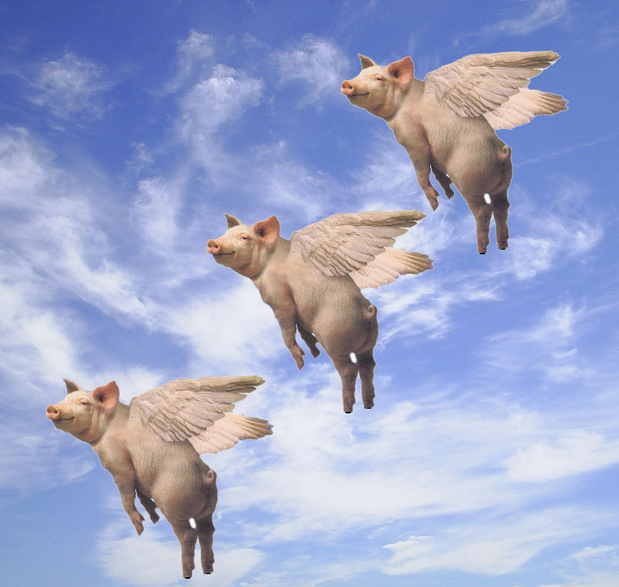


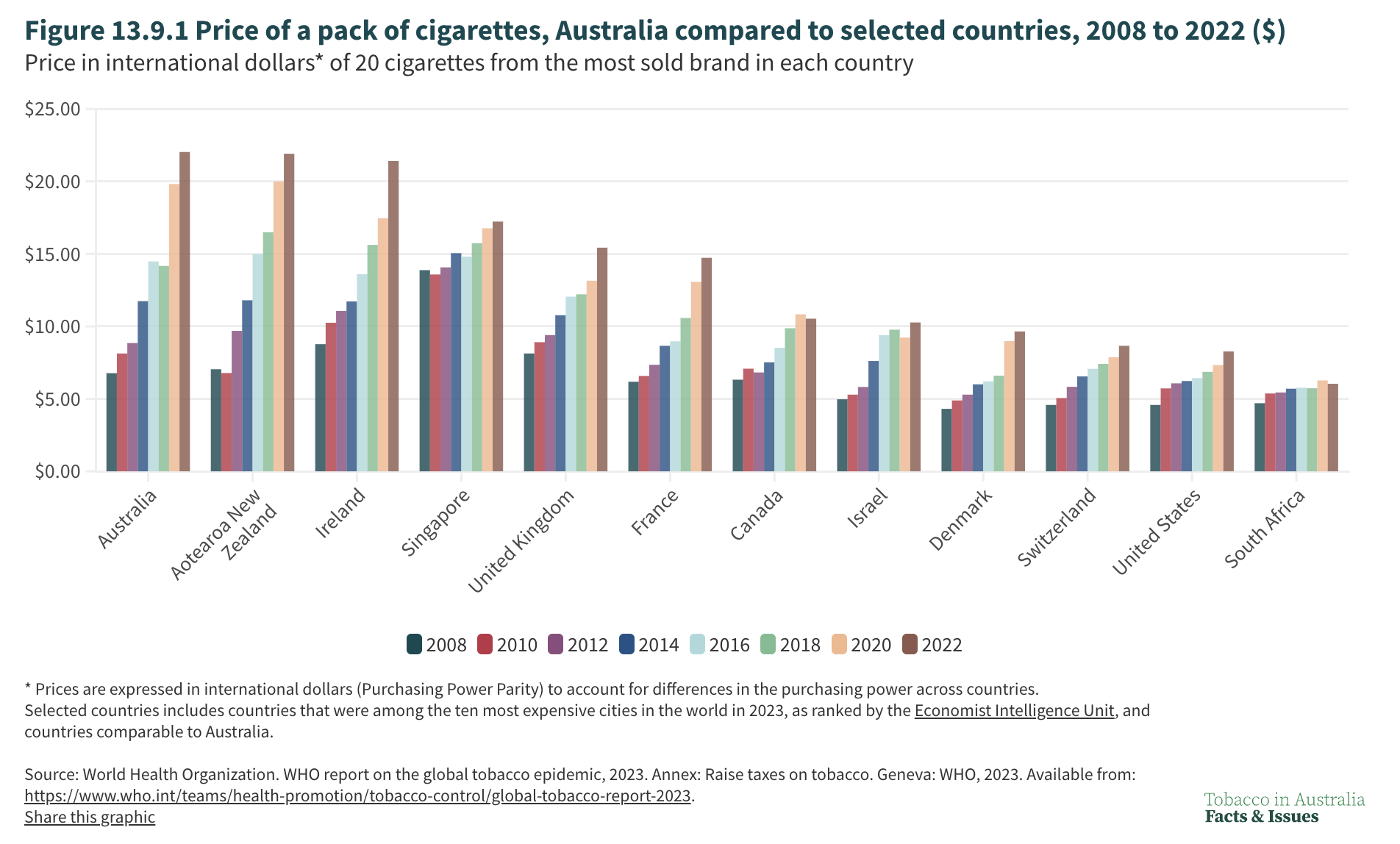

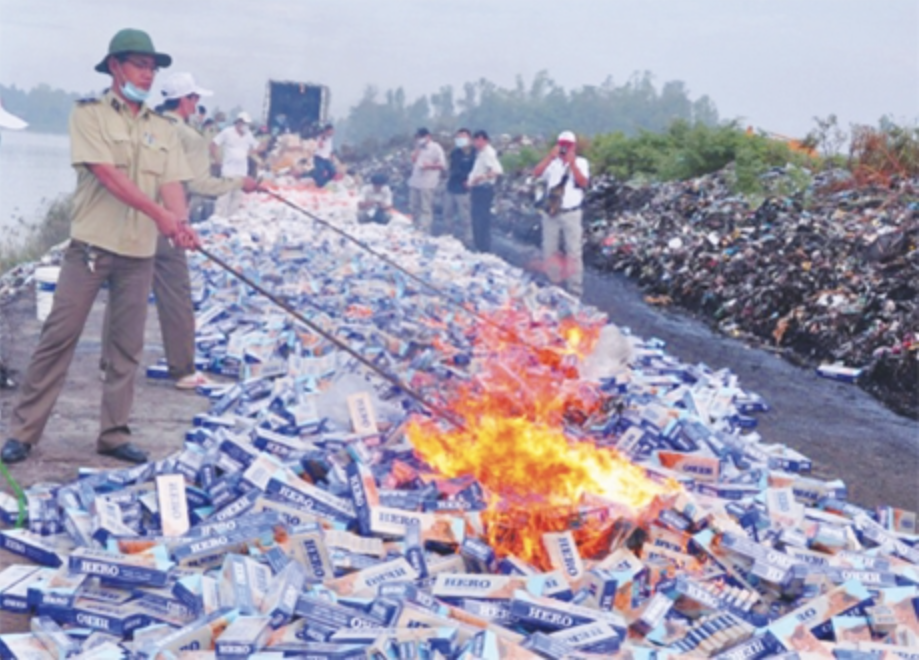


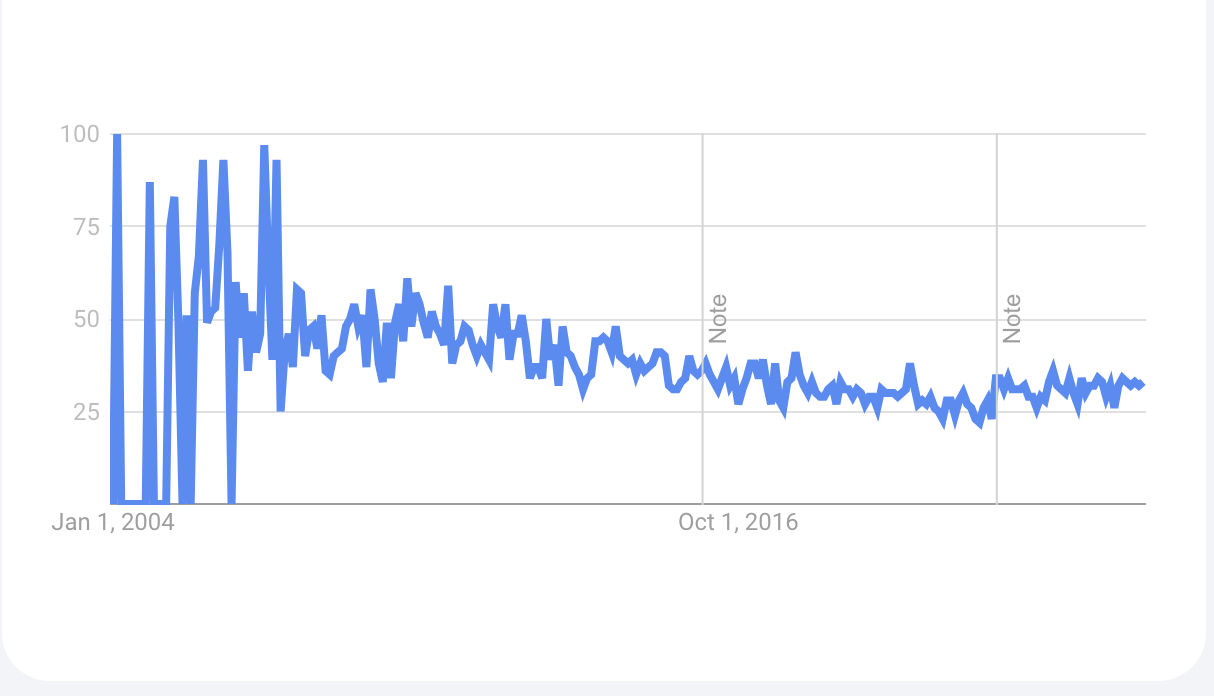

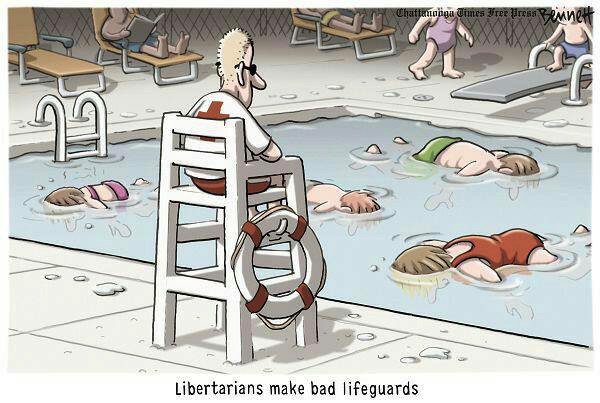
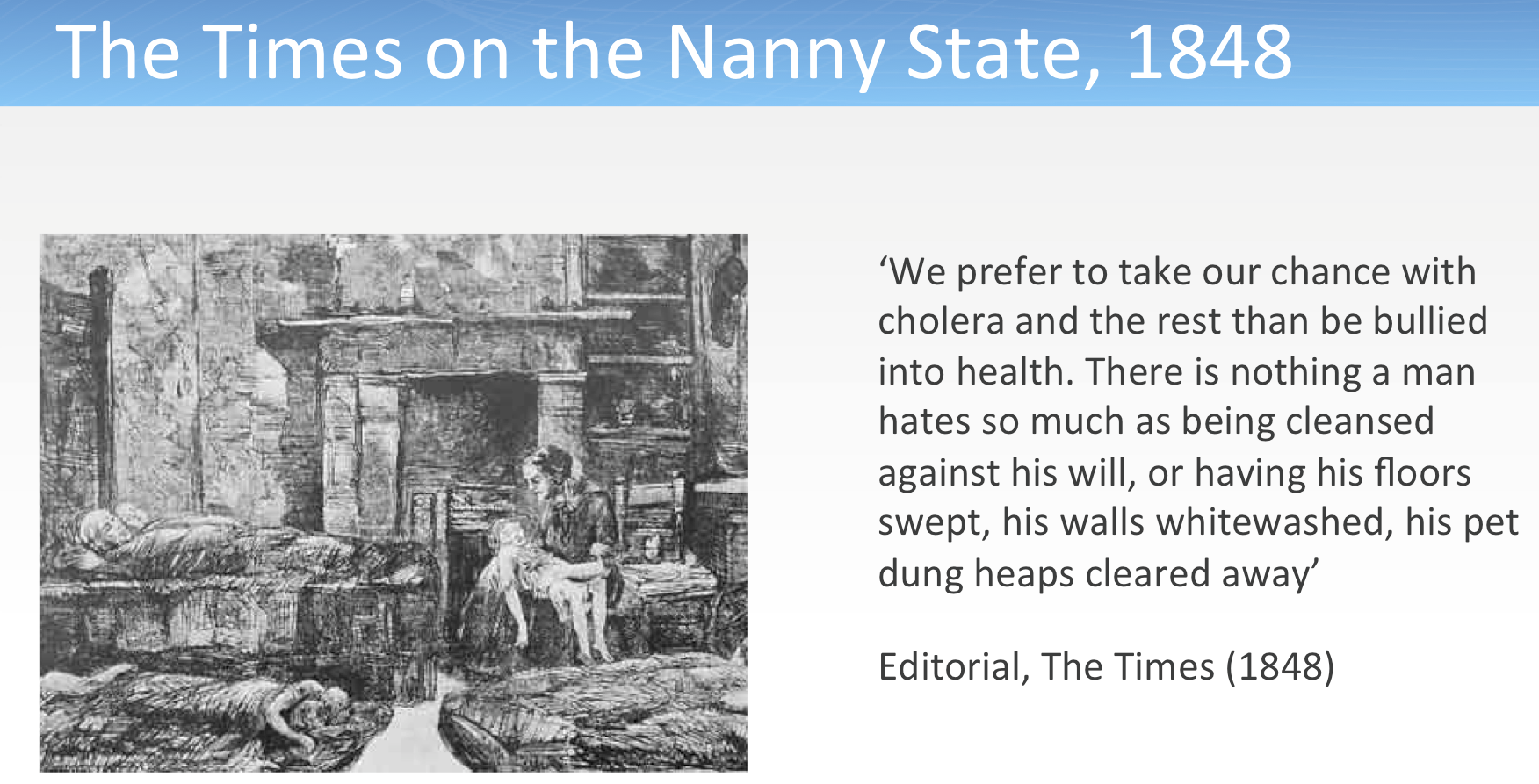


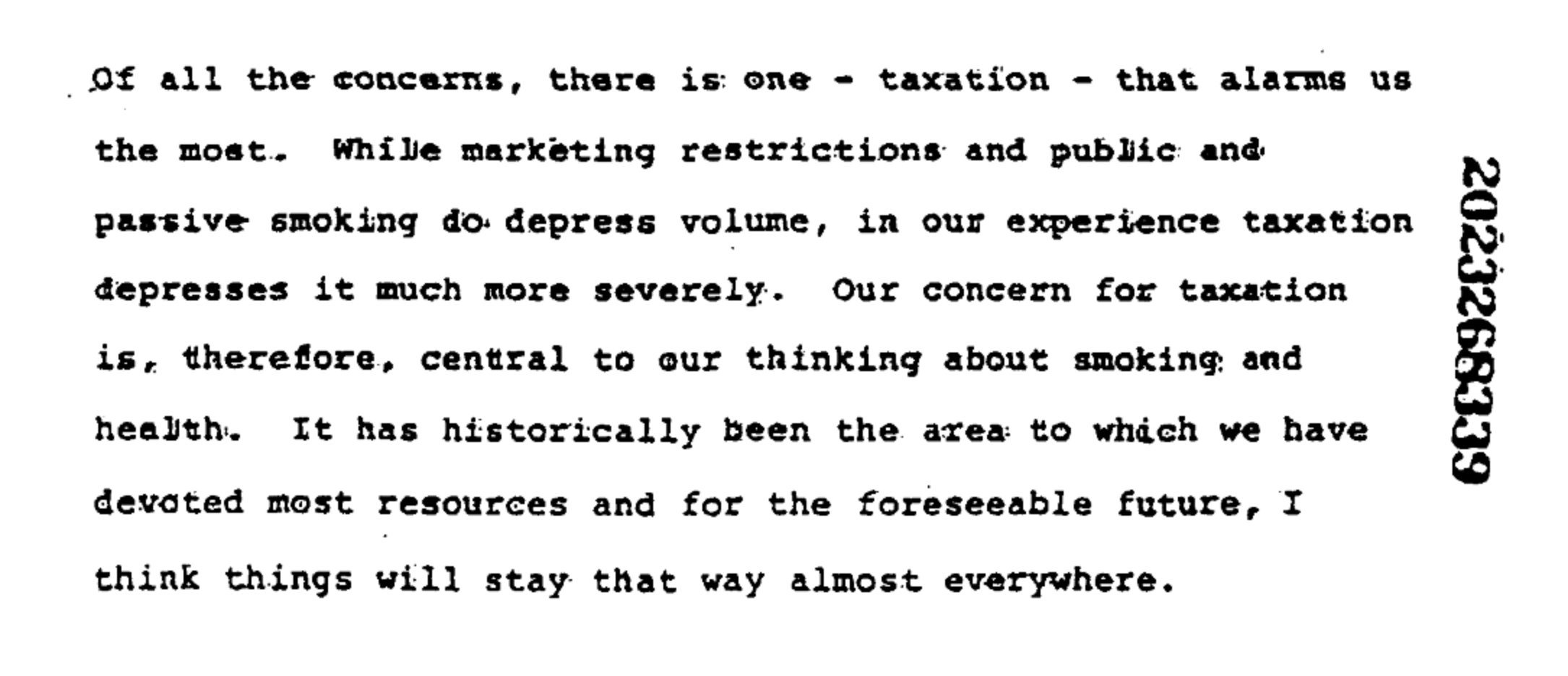



 Simon Chapman AO