At yesterday’s Illicit Tobacco and E-Cigarette national symposium in Canberra, veteran illicit trade expert Ted Leggett from the UN’s Office of Drugs and Crime told the room in the final session that those at the peak of the global illicit tobacco trade can buy cigarette packs from manufacturers for just US42 cents. Many of these are sourced from Big Tobacco companies which export in bulk to customers and then wash their hands of any knowledge or responsibility when these products end up in illicit trade.
In Australia, the retail carton price of an illegal untaxed pack is as low as $7 – over 1500% more than they were first bought for by those at the apex of the trade. Of course, $7 provides cuts for the retailers, transportation from overseas, warehousing costs and distribution to the retailers. So a single pack price of $10-$15 is common as all get their heads in the trough.
For the last few years, several Australian commentators on the dynamics of Australia’s in-your-face illicit tobacco retailing have been on repeat telling anyone commercially illiterate enough to listen that the way out of the problem needs to be led by a government volte face on tobacco tax. Deakin University criminologist James Martin has been a go-to person for those seduced by how obvious a solution lowering the tax must surely be.
In an earlier blog I listed some of Martin’s public statements on just how low tax would need to fall. Last November he even suggested to the Singapore Straits Timesthat tobacco tax might need to be “even eliminated to discourage criminals from operating a black market”. No country in the world has zero tobacco tax, so that’s quite an out there suggestion, to say the least.
Australia’s current tobacco tax since March 3 2026 has been $1.52829 per stick, or $30.57 per pack of 20. Martin has suggested lowering the tax to the “sweet spot” which applied in 2020, around the time that sales of illicit cigarettes really began booming. In March 2020, excise was $0.94964 or $18.99 a pack.
So if the government was to heed Martin’s “eliminate” tax nostrum tomorrow, a typical budget brand costing $42 would cost $11.43 and if instead they dropped the tax to 2020 levels, the pack cost would be $23.
Given that current price competition for taxed budget band cigarettes is within a $2-3 range (check the price board in any supermarket), the price difference between Martin’s eliminated tax packs and the $7 for illicits you can pay if you buy by the carton, is already way over that, at $4.43. And the reduction to the 2020 sweet spot? A whopping $12 more than $7, a difference that of course would not make a blind bit of difference to the price attractiveness of illicits.
What started all this?
Under the Morrison government (Aug 2018 – May 2022) Health Minister Greg Hunt introduced a bill with two pillars: to make vapes available only through pharmacies, and to outlaw personal and commercial importation of vapes unless these were for the pharmacy trade. In June 2022, 28 Liberal/National backbenchers led by Matt Canavan signed a letter to Prime Minister Morrison which set in train the deliberate gutting of Hunt’s bill. Pharmacy access remained but the import ban lapsed after Morrison presumably caved. This rendered the pharmacy access component a dead duck: why go to a chemist when you could get vapes anywhere?
Vape shops then began mushrooming in plague proportions across the country, with state health authorities rarely raising a finger. With the COVID pandemic declared on March 11, 2020 COVID dominated public health priorities for several years. Understandably, the last thing state governments were going to do amid this crisis was to direct any serious action at illegal vape shops.
Across several years, flagrant illegal retailing with bold signs advertising availability consolidated across Australia. Criminals (by definition) who were supplying this illegal trade collectively thought “no one has done anything to stop us with vapes … so what are we waiting for? Let’s expand and sell illegal, untaxed cigarettes openly too.”
This was compounded by state governments having unfit for purpose legislation that prevented them issuing on-the-spot fines, seizing stock and closing illegal traders instead having to go through long drawn out and expensive legal action. Most states did not require tobacconists to be licensed, so there were no databases on retailers either.
All this has now changed radically as I detailed here. Queensland and South Australia led the way with weapons-grade legislation, with NSW late to the party in 2025 with on-the-spot seizures, closures and eye-watering maximum fines for both individuals and corporations caught selling. Victoria and Western Australia have still to embed their legislation.
Immensely effective regulatory models have long existed in the pharmaceutical, alcohol and firearms retailing areas. Any enterprising criminal who set up high street shops selling prescribed drugs to walk-ins with no prescription, alcohol without a liquor license or firearms to unlicensed shooters would be hit with the proverbial tonne of legal and jail time bricks.
We are a way off emulating those best practices with tobacco sales. There was important discussion at the symposium about the bizarre anomaly that there are some 40,000 tobacco retailers serving less than 10% of the population who now smoke; while there are 7,000 petrol stations for 19 million licensed drivers and 6,000 pharmacies serving well over 90% of the population want prescribed and other medicines.
Supermarkets have easily the most responsible tobacco sales record when it comes to not selling to kids. The idea that cigarette sales might only occur there may well be in the wind.
When you ask vapers why they vape, different answers are typically given by new experimental vapers and those who have been doing it for longer. Curiosity, the attraction of flavours and lower price are often top of mind in novices. But optimistic harm reduction beliefs are often given by committed vapers.
The twin pillars of vaping advocacy are that vapes have a risk profile that is as near as you can get to being utterly benign, and that they are peerless as a way of quitting smoking. I’ve looked at the latter argument here.
In this blog I’ll revisit 10 articles of faith about the safety issue.
“Vaping is 95% less dangerous than smoking”
This trite factoid enjoyed massive sunlight for a few years after a 2014 meeting in which it was conjured. I took a close look at its discredited origins in this 2019 blog on the dirty dozen myths about vaping and again with others in this review in the American Journal of Public Health in 2020. Today it is richly deserved future museum piece alongside the greatest hits of the hyperbole king of vaping impact, Britain’s David Nutt.
2.Significant levels of vaping have been around now in Australia for some 10 years. If it was dangerous, where are all the bodies?
Daily vaping rates in Australiaincreased sevenfold between 2016-2023 from0.5% (100,000) in 2016 to 3.5% (700,000 people) in 2022–2023. So there are big numbers out there. Should we therefore be seeing evidence of declining deaths from smoking if so many are vaping these “extraordinarily successful” quit smoking aids? No. So when might that start being seen?
Smoking-caused chronic diseases like lung and cardiovascular disease and cancer have latency periods between first exposure and onset of symptoms and formal diagnosis of these diseases. This can vary with age of smoking commencement, duration of smoking and sex. These periods are uncommonly as soon as 15 years but much more likely to be 45+ years.
Current smokers are often diagnosed at a younger age (median ~63y) compared to former smokers (median ~69y). The overall average age for all lung cancer patients (including non-smokers) is typically around 70–72ys. So if smoking commences at ~15, latency periods range from 48-57 years (reference).
If chronic vaping also proves to cause chronic disease, we would not expect to see clear population level evidence of this until around 2050-60.
3. Vaping exposes you to particulates comparable to breathing steam from a kettle in your kitchen
The tobacco industry has decades-long form in trying to trivialise the harms of smoking. This priceless industry document from 1984 was a 20 page aide memoir for industry spokespeople being interviewed by the media about the harms of smoking. It’s not hard to imagine its genesis: “ok team, I want you to find as many things that can cause any sort of health problem that we can rattle off to interviewers who say smoking is harmful. Long hair, hot soup, hobbies. Find us more!
Thirty five years later, Moira Gilchrist, today Chief Global Communications Officer at Philip Morris International, echoed the same thinking when ridiculing silly people who worry about particulate matter exposure from vapes.
4.Flavour chemicals in vapes are just “food grade” chemicals – so nothing to worry about, folks!
Any toxicology undergraduate understands that the route of exposure or administration of a drug or chemical is fundamental in understanding its risks and benefits.Science journalist Dr Heather Goldstone put it beautifully like this (at 11m10to 24m50)
“It doesn’t take someone with an advanced degree in toxicology to understand that drinking water is different than breathing water”.
So swallowing a chemical may present a whole different risk profile to injecting, inhaling or having skin contact with the same chemical. In this blog, I looked at what the peak flavouring and extracts manufacturing association (FEMA)) in the US had to say about inhaling vapourised flavourants.
Here was an industry which earns its fortune from food, beverage and perfume smells and flavours which stood to earn gazillions more if toxicology gave the green light to adding flavourants to vapes. But twice (in 2013 and again in 2020) FEMA red-lighted the entire idea:
This has made zero impression with vaping advocates who cannot see beyond flavours being a major attractant for vaping. That’s the only myopic question they ask in their evangelical zeal.
In this 2020 blog, I examined the obvious question of why there is no inhalable pharmaceutical product anywhere in the world registered with a government drug regulatory authority which is flavoured. There’s no such thing as flavoured Ventolin (salbutamol) because flavours are totally unnecessary to the therapeutic action of salbutamol. People with asthma do not sign petitions demanding mango or watermelon flavours in their puffers. But vaping advocates will tell you again and again “nothing to worry about” – go ahead and try any one of these beguiling thousands of flavour chemicals, you suckers. Vaping is sooo important, it’s beyond being tied up in the regulations that all therapeutic goods have to meet.
5. “The liquid excipient propylene glycol used in vape liquid is harmless to breathe”
Nicotine in vapes is mostly infused in liquid propylene glycol (PG), along with nicotine, flavourings and temperature control chemicals. When a vape is inhaled, a metal coil in the vape heats this mixuture to 300o Celsius.
Dow Chemical, a major manufacturer of PG in 2019 explicitly named PG in vaping devices and accessories as a “non-supported application”. With the vast earnings potential for Dow in embracing PG in vapes, clearly the risk exposure to the company in doing so must have been assessed as massive.
6. Vaping liquids have cooling agent chemicals added to them to mask harshness
It’s not just PG, flavouring chemicals and nicotine that is added to the brew in vapes. University of Wollongong researchers detected the synthetic cooling agentWS-23 ((N-ethyl-p-menthane-3-carboxamide) in often high concentrations in all disposable vapes they tested. They noted that cytotoxicity studies have found that concentrations of WS-23 below those observed in e-liquids produced adverse effects in cell viability assays.
7.Heavy metal in your lungs, not just in your ears
Heated metal coils in vapes have been shown to shed micro particicles of heavy metals which are inhaled into the lungs.Korean researchers found e-cigarette users exhibited significantly higher serum concentrations of heavy metals than non-smokers. Lead levels were 10 % higher, mercury levels 13.7 % higher and cadmium levels were 61.4 % higher Cigarette smokers demonstrated elevated levels of these metals compared to non-smokers, but had generally lower levels than e-cigarette users.
8. Nicotine levels in vapes are not very addictive
Alex Wodak the tireless Australian vape promoter, says hand-on-heart that “vaping is not terribly addictive”. So consider this recent ABC video at 2m50s where a vaper says he goes through one 5000 puff disposable vape every four days and vapes “first thing in the morning and last thing at night” That’s 1,250 deep lung bastings every day. He’s vaped for four years. So that’s 1.825 million puffs pulled deep across the pink lungs of his mouth, throat and lungs across that time. Not terribly addictive. Yeah, right.
In this observational study of vapers allowed to vape ad libitum (ie as much or as little as they liked), for 90 minutes using their own vaping equipment, the median number of puffs taken over 90 minutes was 71 (i.e. 0.79 puffs per minute or 47.3 per hour). If a person vaped for 12 hours a day at that rate (generously allowing 12 hours for sleep and periods of non-vaping), this would translate to 568 puffs across a 12 hour day or 207,462 times in a year.
But in the ABC video we have a current vaper probably using a vape with five-fold higher nicotine dose than earlier generations of vape.
9. “Nicotine in the doses people get from vaping is all but benign”
The sine qua non of smoking is nicotine. Marketing flashes in the pan like nicotine free herbal cigarettes have all been total market failures because smokers smoke to re-dose themselves with nicotine. The industry fiercely resists proposals for mandated nicotine-free cigarettes, from similar concerns. The industry and its supporters for decades publicly denied nicotine was addictive. After oceans of its internal documents showed this to be an elaborate collusion to stall regulation and reassure the public, it changed its tune.
The chorus then changed to “well yes, it is addictive but its harms have been demonised and besides, it’s pleasurable!”. In 2019 I compiled this selection of research about concerns with nicotinepublished in notable journals including Nature Reviews Cancer, Lancet Psychiatry, American Journal of Psychiatry, Mol Cancer Res, Critical Reviews in Toxicology, Carcinogenesis, Mutation Research, Int J Cancer, Apoptosis and Biomedical Reports. These concerns are seldom mentioned by those who recite Michael Russell’s dictum that “People smoke for the nicotine but they die from the tar” as a talisman against any expressed concerns about nicotine.
I’ve also listed numerous recent reviews of the emerging evidence about vaping and precursors of respiratory and cardiovascular disease. This evidence hardly describes an assessment of vaping as a benign practice akin to inhaling steam in a shower or having a couple of cups of coffee a day, analogies we hear used by vaping advocates.
Vaping cheer leader psychologist Peter Hajek said in 2013“Nicotine itself is probably safer than caffeine ….The case for regulating e-cigarettes as a pharmaceutical product is on a par with regulating coffee.”
In this piece in The Conversation, I looked at the nature of the pleasure that smokers claim for smoking. Just as we all get pleasure from the end of a terrible movie when we are finally able to escape from the middle of a row in the cinema, or from codeine when it works to quell a bad toothache, I argued that nicotine’s reputation for pleasure is mostly about each puff subtly relieving the onset of nicotine withdrawal sensations:
“Smokers know from the earliest days of their addiction these feelings can disappear within a few seconds as the nicotine is rapidly transported from their lungs to their brains where dopamine is released and experienced as pleasurable.
Smokers often insist the pleasure from this release can somehow be experienced independently of the pleasures of the nicotine withdrawal symptoms rapidly dissipating.
So what is the “pleasure” being experienced here? When you have a toothache and this is relieved by a strong analgesic, your mood can quickly elevate as the codeine begins to work.
The argument that smoking and inhaling nicotine is “pleasurable” is a bit like saying being beaten up every day is something you want to continue with, because hey, it feels so good when the beating stops for a while.”
Latvian ad for West cigarettes.
Translation: Westo -This shit won’t take it away from me.(ie I’d rather be beaten up than stop smoking West)
Also in this series
Vaping theology: 1 The Cancer Council Australia takes huge donations from cigarette retailers. WordPress 30 Jul, 2020
Vaping theology: 2 Tobacco control advocates help Big Tobacco. WordPress 12 Aug, 2020
Vaping theology: 3 Australia’s prescribed vaping model “privileges” Big Tobacco WordPress Feb 15, 2020
Vaping theology: 4 Many in tobacco control do not support open access to vapes because they are just protecting their jobs. WordPress 27 Feb 2021
Vaping theology: 5 I take money from China and Bloomberg to conduct bogus studies. WordPress 6 Mar, 2021
Vaping theology: 6 There’s nicotine in potatoes and tomatoes so should we restrict or ban them too? WordPress 9 Mar, 2021
Vaping theology: 7 Vaping prohibitionists have been punished, hurt, suffered and damaged by Big Tobacco WordPress 2 Jun, 2021
Vaping theology: 9 “Won’t somebody please think of the children”. WordPress 6 Sep, 2021
Vaping theology: 10: Almost all young people who vape regularly are already smokers before they tried vaping. WordPress 10 Sep, 2021
Vaping theology: 11 The sky is about to fall in as nicotine vaping starts to require a prescription in Australia. WordPress 28 Sep, 2021
Vaping theology: 12 Nicotine is not very addictive WordPress 3 Jan 2022
Vaping theology 13: Kids who try vaping and then start smoking,would have started smoking regardless. WordPress 20 Jan, 2023
Vaping theology 14: Policies that strictly regulate vaping will drive huge numbers of vapers back to smoking, causing many deaths. WordPress 13 Feb, 2023
Vaping theology 15: The government’s prescription vape access scheme has failed, so let’s regulate and reward illegal sellers for what they’ve been doing. WordPress 27 Mar 2023
Vaping theology 16: “Humans are not rats, so everybody calm down about nicotine being harmful to teenage brains”. WordPress 13 Jul, 2023
Vaping theology 17: “Vaping advocates need to be civil, polite and respectful” … oh wait. WordPress 3 Oct, 2023
Vaping theology 18: Vaping is a fatally disruptive “Kodak moment” for smoking. WordPress Oct 30, 2023
Vaping theology 19: Vaping explosions are rare and those who mention them are hypocrites. WordPress 17 Nov, 2023
Vaping theology 20 : Today’s smokers are hard core nicotine dependent who’ve tried everything and failed – so they need vapes. WordPress 14 Dec, 2023
Vaping theology 21: Australia’s prescription vapes policy failed and saw rises in underage vaping and smoking. WordPress 10 Jan, 2024
Vaping theology 22: “Prohibition has never worked at any point for any other illicit substance”. WordPress 17 Mar 2024
Vaping theology 23: “84% of the Australian public are opposed to the way the government will regulate vapes” WordPress 2 Apr, 2024
Vaping Theology 24: “Tobacco control advocates are responsible for vape retail store fire bombings and murders. WordPress 27 May, 2024
Australia’s epidemic of illicit (untaxed) cheap cigarette shops is entering a new phase as Australian Border Force reports record seizures and three states (South Australia, Queensland and New South Wales) have taken off the kid gloves and are now hammering illegal tobacco retailers.
Australian Border force data show “From 1 July 2024 to 30 June 2025, the ABF made 23,097 illicit tobacco detections, seizing 2.53 billion cigarette sticks and 435.46 tonnes of loose-leaf tobacco. This equates to a total of over 2,091 tonnes of illicit tobacco products seized and prevented an estimated $4.36 billion in duty evaded across the financial year.” In the first quarter of the 2025/2026 financial year, a further “586 million cigarettes and over 3 million vapes have already been seized at the Australian border in the first quarter of this financial year (1 July – 30 September)”.
Queensland has recently introduced fines of up to $161,300 or one year jail for a commercial landlord who knowingly allows a tenant to sell illegal cigarettes and vapes. Its store closure powers are now 3 months, up from a mere 72 hours, once commonly referred to as “the tobacconists’ long weekend”. The Health and Ambulance Services Minister Tim Nicholls describes the new laws as “an absolute game changer“.
South Australia has now closed 100 shops for 28 days, with two closed for much longer with another eight before the courts facing long term closure and massive fines; seized 41 million cigarettes (2.05 million packs); and 140,000 vapes.
NSW Health began getting serious when legislation enabling on the spot 90 day closures, stock seizures, landlord fines and serious maximum on-the-spot fines ($1.54m) came into effect from the first week in November. The Department updates its register of busts each Friday, with the current list now at 40 closures.
In early December raids on homes and storage facilities saw arrests and seizures of 10 tonnes of illegal tobacco.
Western Australia and Victoria which have historically been on the national podium for their early adoption of most tobacco control laws and regulations but look certain to get the booby prize on this issue, both still playing catch-up with other states .
For as long as governments have taxed tobacco, tobacco companies have lobbied for the taxes to be frozen or reduced. For over 40 years they have had day-by-day, shop-by-shop, brand-by brand data on the sales impact of every variable know to reduce or increase cigarette sales. Significantly here, tax increases have always been in the industry’s crosshairs because they depress sales.
Sweet spot tax fantasies
It’s been standard for several years now for those in lockstep with Big Tobacco’s calls for lowering tobacco tax to call for a halt to rises and to make allusions to tobacco excise tax actually falling. Deakin University criminologist James Martin has been in the forefront of these calls for Australia’s tobacco tax to be lowered but until quite recently had been too shy to give us all his expert figure on a new “sweet spot” for a tax reduction. This would be the point where many smokers would abandon buying cheap illicits and go back to paying for legal taxed cigarettes.
Today, if you buy a carton illegal cigarettes, you can get them for as low as $7 a pack of 20. A common range for a single pack is $10-$15. Martin and Alex Wodak dodged naming a tax rate in July 2025 in a Crikey piece when vaguely urging “reducing tobacco excise to undercut the illicit trade”. Something called “Harm Reduction Australia” published an unsigned Tobacco Harm Reduction Policy Brief , presumably covered with the fingerprints of its tobacco harm reduction advisors, Wodak and Martin. They suggested that the tax be reduced to the level it was in 2020. In this August 2025 blog, I did the maths, and generously took the hypothetical cuts even further back to 2019 tax levels to see how things tasted.
If this occurred today, the retail price of a reduced tax pack would fall to some $22, still $7 or 47% more than a pack of $15 illegals or $15 more than the $7 a pack when buying by the carton price.
So on what planet would anyone be living on who seriously thought such a tax reduction would see droves of smokers rush back to the newly reduced tax legal cigarettes?
Eliminate tobacco tax … to get more smokers buying taxed tobacco!
This ludicrous penny may well have finally dropped for Martin when in November he was publicly quoted in the Singapore Straits Times that “taxes would need to be significantly lowered and even eliminated to discourage criminals from operating a black market.” [my emphasis]. Eliminated. Now how would this work?
Let’s walk through his brilliance.
So … the government has a problem that it’s losing lots of tax revenue because many smokers are buying illegal untaxed cigarettes. To fix this, Martin suggests that the government should consider dropping all tobacco tax. If it did this, there would of course be no tobacco tax to collect, but, hey, these now (legal) untaxed cigarettes would be competitive with (illegal) untaxed cigarettes and the black market would be “discouraged”. All following this?
But wait… with the newly tax-free legal cigarettes, where would the government get the extra river of gold of tobacco tax revenue from that it desperately needs, since it would have just eliminated it all? Whoops!
Enter the Davidson
The latest player to step forward into this mess is Professor Sinclair Davidson from Victoria’s RMIT. Davidson, an adjunct ‘fellow’ at regulation-scything Institute of Public Affairs has been an anti tobacco control warrior for sometime via his now defunct Catallaxy Files blog and his four time participation in Big Tobacco’s annual invitation-only global shindig, the Global Tobacco and Nicotine Forum.
In a paper for the Centre for Independent Studies, Davidson is also shy of telling us what his tobacco tax cut/illegal tobacco ending magic number is. All he’s willing to say is that it would be “stabilised within an economically defensible range”. And that would be?
Google Scholar shows Davidson has had 320 publications since 1991, 134 (42%) of which are uncited. Six of these are about tobacco, which have attracted all of 26 cites. That’s his form in all this. Still, a 42% never-cited rate is a lot better than the 82% rate reported across the humanities.
Those lobbying hard to get governments to do something sensible to wreck Australia’s illegal tobacco and vapes market are in an unlikley choir that has never sung from the same hymn sheet before. It includes Treasury, the convenience store, tobacco and vaping industries, and public health. All are very keen to see illicit tobacco trade fall dramatically. Treasury wants tobacco tax to grow, and the three industries want their tobacco sales revenue streams back. Public health and government want smoking to fall, and non-smokers (especially kids) to not buy vapes or tobacco, as they increasingly are failing to do.
Wastewater nicotine analysis: total nicotine is falling, not rising
Here, wastewater nicotine analysis offers a potential lever for the industry interests to pull in its lobbying for tax reduction. We have all seen illegal tobacco shops openly trading, and some think this must mean that more people are smoking to make this trade viable. But is it actually true that cheap illegal cigarettes are causing more people to take up smoking and less to quit? Or is it just moving lots of current smokers from legal sales outlets to much cheaper illegal ones?
Here, Davidson quotes from the National Wastewater Drug Monitoring Program’s (NWDMP) latest report for 2023-24 .They have been testing since 2016-17, publishing data on nicotine found in wastewater (sewage) in testing sites serving 57% of the Australian population (14.5m) with both regional and capital city sampling.
The summary below from its latest report shows that between April and August 2024, population weighted nicotine consumption fell in both regional and capital city Australia. In fact this fall has been going on since August 2023: page 16 of the report states that while illegal tobacco and vape retailing was booming “for nicotine, average consumption [across Australia] decreased between August 2023 and August 2024” Although page 87 notes that “average capital city nicotine consumption then increased from August to October 2024”.
Contrast those words with Davidson’s at p6 of his report “Wastewater analysis reinforces this picture: between August 2023 and August 2024, aggregate consumption of nicotine rose to above long-term averages”. The NWDMP reports on “average consumption decreased” (ie population weighted) while Davidson says “aggregate consumption … rose” (ie total consumption unweighted for population growth).
Sorting different sources of nicotine
The NWDMP’s testing to estimate consumption of nicotine is done by measuring two nicotine metabolites, cotinine and hydroxycotinine. Their report notes on page 32 that this method “cannot distinguish between nicotine from tobacco, e-cigarettes, or nicotine replacement therapies such as patches and gums” and that “consumption of nicotine has increased over the life of the Program” (p59)
This is hardly surprising. Vaping in Australia rose substantially between 2019-2023 and in 2022-23, 233,544 PBS prescriptions were issued for nicotine replacement therapy (NRT), some 43% of the estimated NRT market (a majority of which is over-the- counter sales in pharmacies and supermarkets). So together with nicotine from vapes, this NRT sourced nicotine represents a river of excreted nicotine in the sum of total nicotine in Australian sewage systems, a point acknowledged by Davidson.
Emerging science points to possibilities of testing wastewater to get separate estimates for total nicotine (cigarettes, vapes and NRT combined) including that only from cigarette use.Anabasine and anatabine are minor alkaloids found in tobacco but are absent in NRT. However anabasine is present not just in cigarettes but also in e-liquids and aerosols. So challenges remain to test for estimates of only tobacco use (leaving out NRT and vaping nicotine exposure).
This is an area of science very much in its infancy, with the take-home message being that we all need to remain sceptically alert to crude claims that “wastewater” analysis is showing changes one way or the other in tobacco smoking.
Those in Australia who have collectively decades of experience in monitoring and interpreting different data sets on tobacco use, repeatedly emphasise that longer term data from multiple sources including survey data are essential in getting a true picture of trends. Prof Coral Gartner from the University of Queensland said that “All data, including that from wastewater, has limitations and errors, including seasonal effects. What may look like an increase in one data collection can become just ‘noise’ when further data points are added.”
If you search “wastewater and nicotine” for Australia, stand by for reports on the latest NWDMP data that variously describe nicotine as being up or down. Those catastrophising the possibility that smoking will be certain to rise in the presence of cheap illegal cigarettes can take nothing definitive from the latest wastewater statistics. But with those who collect and interpret it saying that total nicotine is down across the country, those saying it is up need to explain themselves.
Modern vaping theology venerates New Zealand’s “regulated vaping market model” as the way all nations should go if they want to reduce smoking. Its doctrinaire, excitable adherents feverishly point to unparalleled recent declines in smoking prevalence in all adults, in Māori adults (who smoke much more than the general population) and in youth. These declines are said to have followed the advent and rise in vaping and New Zealand’s Nov 2020 regulation of vapes which allowed them to be legally sold from dedicated vape stores and ‘dairies’(small, owner-operated convenience stores selling groceries, milk and other essentials, often outside of regular business hours).
As I noted in an earlier blog, the UK, USA and Canada also have highly liberal vape access policies (regulated market models) but comparable or higher smoking prevalence than Australia, which has far more restricted vape access legislation. Vaping advocates like to cherry pick New Zealand to provide a comparison with Australia compatible with their previous outspoken advocacy for regulated market models.
The evidence being used here is cross-sectional (ie: annual school surveys of around half of all New Zealand year 10 –14-15yo students) from 2014-2019.2015 was the first year that the survey asked questions about vaping frequency, enabling reporting on daily vaping. The graph below shows a 0.7% absolute decline and a 25% relative fall in daily smoking between 2014 and 2019, while daily vaping rose between 2015-2019 from 1.1% to 3.1% (2% absolute and 65% relative increases).
Every first semester biostats student has it drilled into them that cross-sectional data cannot be used to draw causal conclusions. When I edited Tobacco Control across 17 years, this criticism was probably that most commonly made by reviewers of papers which used post hoc ergo propter hoc (after therefore because of) reasoning with cross-sectional data. The 2020 paper’s authors were therefore wise to use “suggests …might” when they concluded “…overall decline in smoking over the past 6 years in New Zealand youth suggests that e-cigarettes might be displacing smoking”.
But many vaping advocates aren’t typically bothered by the sublimation of associations into causal language conclusions when it suits their agenda. An analysis of submissions to the New Zealand Parliament’s Health Select Committee considering a 2020 Bill which regulated the sale and marketing of e-cigarettes, found that the 2020 paper was the most frequently cited evidence used to try and influence the Committee, including by British American Tobacco. Those fervidly embracing the paper who are determined to preserve, strengthen and evangelically promote New Zealand’s experience internationally would have hardly complained if associations morphed into causes when the rubber met the road of political, media treatment and public understanding tests.
But , whoa! Hold the horses!
Sensing there were problems with the paper, Sam Egger from Cancer Council NSW led a paper that took a deeper dive into an expanded data set from 1999-2023 noting that the 2020 paper had only looked at 2014-2019 data and that 2014 was “years after vaping had established a notable presence in New Zealand. Importantly, the analysis did not assess whether smoking trends changed before and after shifts in vaping prevalence, an essential requirement for evaluating the population-level impacts of vaping on smoking.”
In other words, the 2020 paper had not considered the question of whether the remarkable decline in youth smoking which started well before the appearance and proliferation of vaping in youth (see chart below), accelerated with the arrival of vapes in about 2010 and then their rapid uptake after 2019 (with the latter, it of course could not have done this, having 2019 data as its endpoint).
This was a very basic omission, and one that amounted to seriously narrowing the evidence goalposts in the exercise of assessing vaping’s possible role in influencing trends in smoking by 14 and 15 year olds. The question about ever vaping was added to the school survey in 2014, with daily vaping added a year later. This start of these questions would not have been a capricious choice but one that almost certainly would have reflected common observational ‘knowledge’ of youth vaping increasing, perhaps over several years prior to 2014 when it was first counted. ASH, which is responsible for the annual surveys since 1999 (see graph below), clearly knew youth smoking had been in freefall since at least 1999 so that factors other than vaping were in play.
In their no stone unturned paper using interrupted time series analysis they concluded “In stark contrast to the conclusion of the previous study, we found that among 14-15 year-olds, the emergence and rapid rise in vaping in New Zealand may have slowed the rates if decline in ever- and regular smoking, while having little or no impact on the rate of decline in daily smoking.”
In a commentary in The Conversation, they noted “the rates of decline in ‘ever smoking’ and ‘smoking regularly’ slowed significantly from 2010 onwards, coinciding with the emergence of vaping in New Zealand. The rate of decline in daily smoking did not change significantly from 2010 onwards.
In 2023, about 12.6% of 14 and 15-year-olds in New Zealand had ‘ever smoked’ (ranging from just a few puffs to smoking daily). However, if the ‘ever smoking’ rate had continued along its pre-2010 trajectory (before vaping emerged) this figure would have been 6.6%.”
So there was now plenty of heat in this particular data analytic kitchen. But then a blowtorch arrived with an apparently blistering critique of what the Egger authors had done. Four authors from the University of Queensland gave the Egger group both barrels with a three point shellacking that essentially went “here’s what you did, and here’s what you should have done … so your conclusions are unsound”. Read it all in the link.
All this will have been read by a small number of people who closely follow these debates. And will have been understood by an even smaller number who are highly trained in analysis of trend data.
But one thing is absolutely certain, the veteran nag confirmation bias will yet again get a good run around the block. Those who like the conclusions of the 2020 paper will keep megaphoning them without mentioning the Egger group’s very contrasting findings. Criminologists have a term for this: the ‘woozle effect’ where studies with flawed conclusions that have been discredited continue to be referenced, as though those conclusions still offer credible evidence.
I published a paper in 2009 on citation bias, which is the selective citation of published results to support the findings, arguments or interests of authors and those funding their work. Our paper showed that a very old (1982) and small study (n=24) showing extremely high smoking prevalence in people with schizophrenia (88%), had been massively cited in preference to many more recent and larger studies which showed far lower smoking by those with schizophrenia. News media commonly referred to smoking rates in those with schizophrenia as “as high as 90%” when a meta-analysis of 42 studies found average smoking prevalence to be 62%, much higher than the general population but nowhere near 90%.
Australian smoking rates have never been lower in adults, school kids, low socio-economic groups, and First Nations people. That’s a good thing, right? These outcomes represent the results of decades of policy reform and government campaigns. But these bottom lines mean little to fringe critics of Australia’s approach to tobacco control, who are licking their wounds after failing badly to stop the government from regulating vapes to allow then to be sold in as many retail situations as possible.
Then there those who passionately believe that expensive, highly taxed cigarettes are a cruel impost on low income earners. For several years, in pitch perfect unison with Big Tobacco which has lobbied for decades to keep tobacco tax low to sell more cigarettes, they argue that the government should lower tobacco tax to make it easier for them to afford to smoke. Could there be any more truly perverse way to help the poor?
Illicit tobacco has been widely available in Australia for over 25 years, long before the significant rises in tobacco tax began in 2012.These critics also never mention the inconvenient truth that large black markets for tobacco exist in most countries, including those where tobacco tax is much lower than in Australia. So plainly, there is far more to understanding illicit tobacco markets than tax alone.
The widespread, blatant proliferation of duty-not-paid dirt cheap tobacco has excited these critics. Barely a week goes by when they are quoted on what the government needs to do, and “lowering” tobacco tax is always front and centre of the mantra.
But as I’ve noted before, it’s one thing to call for tax to be lowered, and quite another to draw on your expertise to help the Treasury know exactly where the magic sweet spot reduction should fall to make smokers who are now buying cheap illicits go back to duty-paid cigarettes. James Martin and Alex Wodak fudged naming a date or percent reduction in a Crikey piece when urging “reducing tobacco excise to undercut the illicit trade”. So OK gents, how much of a reduction are you talking about?
But all rejoice! The wait is now over!
In recent weeks, critics have put their hands up with several figures. In June, Harm Reduction Australia published an unsigned Tobacco Harm Reduction Policy Brief , presumably with the fingerprints of its tobacco harm reduction advisors, Alex Wodak and James Martin.
The short document recommended this:
So there’s the level: lower the tax rate back five years to that we had in 2020. That will fix things, right?
Or we could go back another year to 2019 when tobacco tax was still lower. In a very uncharacteristic slip, ABC economics expert Alan Kohler, snuck this final line into an otherwise very sensible commentary on the black market: “The other thing the federal government could do is reduce the tobacco excise back to what it was before 2019, which would lead to a huge increase in revenue.” An increase presumably explained by droves of smokers abandoning illegal cigarettes for the newly competitively reduced-tax legal ones.
Or according to Kingsley Wheaton, Chief Corporate Officer for British American Tobacco, who flew out to Australia in June to talk about the “basic economics” of tobacco tax, this should involve a “reversion to the 2018 (tobacco tax) rate“.
And then we come to the really heavy duty ordinance, this time from Australian economist Steven Hamilton, a professor at George Washington University. Quoted in The Saturday Paper, in April “So my suggestion would be that there is one solution and one solution only, and it is to radically reduce the rate of tax on cigarettes. Take the tax rate on cigarettes back to where it was 10 years ago, make legal channels competitive, and the black market will disappear.” Disappear! It’s that easy! Ten years ago – in 2015 – tobacco tax was $0.53096 and a packet of 20 budget cigarettes cost $24.28 (see table 13.3.3 here)
OK, so let’s take one of these named years – 2019 – and do the simple early high school arithmetic on how dropping tax back seven years would go in demolishing the black market.
In 2019, excise tax on cigarettes per stick was $0.81775 (in March) and $0.96653 (in September) —see Table 13.6.2 here. This means that the tax component in 2019 of a pack of 20 was either $16.335 or $19.3306. For retail price, we need to add GST and the manufacturers’ and retailers’ margins (see chart below for the current proportions) to see what a legal pack of 20 cigarettes would retail at under the new retro tax regime proposed by our disappearing black market pundits.
So let’s show this for a typical budget brand in the chart.
Excise 73.9% = $16.34
GST 9.1% = $2.01
Retail mark-up 8.1% = $1.79
Manufacturer mark-up 8.9% = $1.97
Total retail price: $22.11
Here’s a conversation between two smokers:
Bill: Hey, the government has dropped tobacco tax big time! You can get a pack of 20 now for Just over $22.
Bob: Really? I can buy my smokes at cheap smokes shop for as low as $10 a pack, sometimes as high as $20 in high income suburbs. So these new reduced tax smokes are still more than double the lowest price of the dodgy ones. Why would I be mad enough to pay out all that extra?
The common $10 smokers can now pay for illegal cigarettes is clearly still highly profitable for those selling them. It is anyone’s guess how much even lower their price could fall and still retain acceptable profitability. After first publishing this blog, I was told of $8 packs of 20 being sold in Muswellbrook in rural NSW, presumably still making a profit for all in the chain. So the above sums are likely conservative about how much tax would need be lowered to get prices on par or cheaper than illicit cigarettes.
So this heroic step would do absolutely nothing to solve the problem.
It is just gobsmacking that people positioning themselves as credible advisors on how to undercut the black market could not have asked this most basic and fundamental of all questions about their magic reductions. And equally, that so many journalists have let them blather on and never questioned it. A Sydney Morning Herald editorial in June stated without blinking “a tax rethink on tobacco excise is self-evident and common sense”.
The tax cut to 2015 levels proposed by Steven Hamilton goes closest to a nominal sweet spot. But If the Government were to put the tax down to 2015 levels then the prices of taxed products would only be competitive with the current illicit prices if Big Tobacco and all retailers also selflessly reverted to what they charged back in 2015. Yeah, that’s really going to happen. Pigs might fly too.
8 Nov 2025 BREAKING! Deakin University criminology academic James Martin publicly stated in the Straits Times that “taxes would need to be significantly lowered and even eliminated to discourage criminals from operating a black market.” [my emphasis]. Now how will this work? Martin suggests even eliminating all tobacco tax so that smokers who have been buying illicit untaxed cigarettes, will switch to legal cigarettes … which will be also untaxed. The government will then reap the tax benefit from these untaxed legal cigarettes. Are we all following this remarkable proposal?
Fiona Patten (left) shares the stage with Moira Gilchrist, Philip Morris International, (right) in 2023, Warsaw
The former Victorian state politician Fiona Patten who failed to be re-elected in 2022 and again in the 2024 federal election for a Senate seat, is a dedicated advocate for vaping. She’s been a regular attender at the Global Forum on Nicotine (GFN), held annually mostly in Warsaw. In 2025 she was awarded the top gong at what is typically a modestly attended conference of the vaping faithful including those from Big Tobacco.
In the Sydney Morning Herald yesterday, she wrote an opinion piece calmly titled Australia has become the global village idiot on quitting smoking.
I spent 17 years editing the world’s first dedicated research journal on Tobacco Control. I handled 1000s of research manuscripts across that time. I also spent over 20 years teaching and marking Master of Public Health student course assignments at the University of Sydney for a unit I taught, Tobacco Control in the 21st Century.
So let’s imagine Fiona had submitted her piece for review and assessment. Here are my restrained comments on 13 issues. Read her piece in full here.
“When it comes to reducing harms from smoking, Australia finds itself cast as the global village idiot … we are now the cautionary tale.”
Comment: Smoking prevalence is the leading indicator of reducing the harms of smoking. This report shows the worst performing nations. Australia is not mentioned. In fact this map from the report shows Australia colour coded at the best level. So who’s really a village idiot?
2. “At present, 66 Australians die every day from the effects of smoking – not from an addiction to nicotine, but from the toxic delivery mechanism of cigarettes.”
Comment: If cigarettes did not contain nicotine, few if any people would smoke. Nicotine in itself is far from benign as these papers show, but it is the essential highly addictive cheese that baits the deadly mousetrap. Nicotine is the sina qua non of smoking. And we are steadily becoming aware of an increasing number of health problems from vaping (see reviews here).
3. “Legal cigarettes are taxed at rates so punitive that they have become virtually inaccessible to many, while vaping devices … are rendered unobtainable through deliberately restrictive access avenues.”
Comment: The corollary of the argument that cigarette tax is “punitive” is that making them less expensive would be somehow … compassionate? Tobacco companies engage in price discounting and have always fought tobacco tax rises because they are acutely aware that high price depresses demand. I’m aware of no government which has ever reduced tax on cigarettes to make them more affordable, a truly perverse step that would encourage uptake and depress quitting. It would be literally killing with kindness. And vapes being “unobtainable”? Any of Australia’s 5800+ pharmacies not already selling them can order them in.
4. In Australia only a “handful of well-intentioned but misguided health groups” support the government’s policies on vapes. “Nearly everyone else” opposes them.
Comment : Below are two columns. The one on the left shows the “handful” of “misguided health groups”. The other, “nearly everyone else”. Notice any pattern here, Ms Patten?
The graph below from the latest AIHW National Drug Household Survey shows support for action on vaping in the Australian community. There are few hot button issues in Australia that attract higher public support than vaping control (see here for comparisons and the lame efforts of vape lobbyists to demonstrate that night is actually day).
5. “Around the world, doctors, scientists and governments have embraced harm reduction and acknowledged that prohibition does not and cannot ever work”
Comment: Here is a VERY long list of doctors and scientists around the world who have major concerns about the safety and effectiveness of vapes. And here in great detail is information about the many nations which either ban vapes completely (33) or regulate them in ways that many vaping advocates oppose.
Predictably and very tediously, the boo-word “prohibition” makes an appearance. If vapes are “prohibited” but available in pharmacies, then by the same reasoning, Australia “prohibits” the 1000s of prescription drugs also only obtainable via pharmacies. Tell that to the millions of Australians who used some 335.8million scripts which were filled in a recent year in a population of 26 million people (and that’s not even counting the number who go to pharmacies for non-prescription items … including vapes with <20mg/mL nicotine which are OTC).
In any event, the idea that “prohibition” never works is contradicted by considerable evidence (see here). Most governments, including Australia, have prohibitions on goods and substances for a plethora of reasons including biosecurity, public safety (eg fireworks, laser pointers, flick knives, explosives, asbestos, DDT, leaded petrol and paint) and intellectual property. In 1996 Australia prohibited semi-automatic rifles and pump action shotguns and saw a sustained halt to mass shootings. The death of a friend’s son from adding caffeine powder to a drink, saw it banned. While “everyone knows” alcohol prohibition failed, Australian drug and alcohol expert, Wayne Hall, has documented in detail the considerable benefits that flowed from the US alcohol prohibition (1920-1933).
6. “And in countries where these products are promoted, smoking rates have plummeted.” Britain has seen smoking “drop steeply in the past five years, from 18 per cent to 11.6 per cent.”
Comment: In England, e-cigarette use rose sharply from 2021, but this increase was not accompanied by a faster decline in smoking rates between 2016 and 2023 among 18–24 and 25–44 year-olds. Even worse, among those aged 45 and over, the decline in smoking actually slowed._
Australia which has tighter regulation of vapes than Britain, the UK, Canada and New Zealand, has also seen smoking prevalence fall in recent years. Here are the most recent official statistics on smoking prevalence for several comparable countries.
Australia (2022-23 14+) 10.5% current and 8.3% daily — all combustible tobacco products
Canada (2022 15+) 10.9% current in last 30 days, 8.2% daily, cigarettes only
USA (2021 18+) 14.5% any combustible product, 11.5% cigarettes
Clearly, free-for-all vaping policy is not necessary in getting smoking down.
7. “in the short and medium term, vaping poses a small fraction of the risks of smoking”
Comment: In the “short and medium term” are very carefully chosen words here. Smoking, like asbestos, doesn’t typically kill or even manifest in symptoms in the short term — in days, weeks, month or years but in decades. As 15 presidents of the Society for Research into Nicotine and Tobacco wrote in 2021 “There are no data on long-term health effects, reflecting the relative novelty of vaping and the rapid evolution of vaping products. Determining even short-term health effects in adults is difficult because most adult vapers are former or current smokers.”
8. Because of the uptake of so-called harm reduced products “Japan, too, has reduced its smoking rate by more than 30 per cent in seven years”
Comment: For cultural reasons, there have long been huge differences in smoking between Japanese men, (currently 24.8%) and women (6.2%). Australia has not seen male smoking rates as high as 24.8% since 2001 – nearly a quarter of a century ago. Japan might well look to Australia to learn a thing or two about how to really get smoking down, not the other way round.
9. “New Zealand’s progressive policies on vaping and nicotine have it poised to join Sweden as a smoke-free nation.”
Comment: New Zealand has Patten-approved vaping policies (it also has the least affordable cigarettes in the world (see graph below) which almost certainly explains some of the country’s declining smoking rates). But New Zealand’s youth vaping rates are of great concern.
The only study to compare adolescent smoking trends before and after e-cigarettes became available in New Zealand found that progress in reducing adolescent smoking significantly slowed following the emergence and rise of vaping. The most recent data show that NZ had the first increase in a decade in daily smoking among adults (age 15+ in NZ health survey) from 6.8% in 2023 to 6.9% in 2024, despite daily vaping continuing to rise rapidly from 9.7% to 11.1% over the same period.
10. “The message is clear: when governments allow and encourage safer alternatives, lives are saved and deadly smoking rates decline. They are also not experiencing illicit tobacco wars.”
Comment:This is a sweeping generalisation. Where are the data on changing death rates (“lives are saved”) since vaping commenced? Why is it that smoking rates are also declining in Australia despite laws not being like Fiona wants them?
Sorry, it is patently untrue to say that there is no criminal involvement in illegal tobacco and vapes in nations like the UK and USA which have liberal vape access policies. See details here.
11. “Vaping, the most successful smoking cessation tool on record, is met with the harshest prohibitions.”
Comment: “Prohibitions” again ….zzzzz. Claims that vapes are the most successful way of quitting smoking disguise the fact that this “success” is pretty dismal. If any doctor tried to tell me any “successful” drug she was prescribing me had a 90% failure rate, I’d look for another doctor. But this is the language of success favoured by vaping advocates. Unequivocally, the most successful way of quitting, if your key criterion here is the sheer numbers of successes year in and year out, is unassisted quitting –cold turkey. But quitting has become dominated by commodified solutions pushed by vested interests. If you can’t sell it, don’t mention it.
12. “Australians are increasingly turning to black market tobacco and vapes; overall smoking rates are stagnating, even increasing in some disadvantaged communities and preventable deaths continue to mount.”
Comment: Smoking rates are not stagnating in Australia. The latest data point (2022-23) shows that compared with the previous survey data year (2019) the absolute falls in the prevalence of daily smoking (-2.7%), of current smoking (-3.5%) and the growth in quit proportions (+7.7%) were all at record levels. These are hard measures of smoking declining in the population and of quitting increasing.
12. “The mere possession of a vape in many states attracts thousands of dollars in fines, and even prison terms. In the ACT, the possession of a nicotine vape means you can be jailed for two years and fined $32,000.”
Comment: Correct, Both the ACT and Vic do not provide exemptions for possession of non-therapeutic vapes for personal use. Unless state legislation specifically says something else, these provisions just follow whatever arrangements were in place with regard to all S4 medicines in the jurisdiction.
In ACT, the penalty is 200 penalty units ($32k for an individual or $162k for a corporation), imprisonment for 2 years, or both.
In Victoria, the penalty is 10 penalty units ($2,035.10).
But significantly, what Patten doesn’t tell us here is that in order for these penalties to arise, the person would have to be charged by police and convicted by a court. Neither police in Victoria or the ACT are charging individuals for possession of non-therapeutic vapes. Searches of case law indicate that no jurisdictions appear to be charging for individual possession. So this is just bluster.
Several Australian states are experiencing a wholesale disregard for laws that outlaw the sale of tobacco products where excise duty has not been paid, and with vapes being sold in any circumstance other than through a registered pharmacy. It has been unambiguously illegal to sell duty-not-paid cigarettes since 1901 and to sell vapes outside a pharmacy since July 1, 2024. Major media attention is being focussed on
the extent of this brazen contempt
the involvement of criminals in its operation
the major fall in government revenue as droves of smokers unsurprisingly choose to pay $10-$15 a pack for smuggled cigarettes instead of north of $40 and past $60 for cigarettes which are currently taxed at $1.40 per stick
alleged objections from police about reluctance to get involved in “regulating a legal product”
High excise is not the cause nor lowering it the solution
The populist wisdom on why all this has happened is that Australia, with the world’s highest tobacco tax rate, has foolishly brought this on itself. This claim is manifestly ignorant because how do we then even begin to explain that nearly every nation – including all those with much lower tobacco tax than Australia (especially in low income nations) – have long had extensive black markets for tobacco too?Black markets are booming today in (to name just a few) Malaysia and South Africa (both with 65% of all tobacco sold being illicit) and Brazil (50%), all which have lower tobacco tax than Australia.
The Australian Association of Convenience Stores which has a history of Big Tobacco links is cheer leading the claim on repeat that the excise should be “lowered”. But tellingly, those joining this choir never name how much of a reduction would be required to make the price of legal duty paid cigarettes competitive with cheaper illicit packs.
Basic arithmetic shows this: the current tax of $1.40 per cigarette means $28 excise is already in the mix before the lucrative cuts for both cigarette manufacturers and retailers combine to lift the cost of a pack of 20 at the very low budget brands end of the market to $40. Premium taxed brands can cost well over $50.
So let’s imagine the Commonwealth government introduced the radical and globally unprecedented step of slashing excise by a huge 50%, a truly la-la land proposition. This would mean the tax component would fall to 70c a stick, or $14 a pack of 20s. No one, just no one is arguing that manufacturers and retailers would then follow suit and reduce their margins by a comparable percentage in a selfless noble gesture to assist smashing the black market.
This means that our hypothetical 50% reduction in tobacco tax would still mean a tax-paid budget brand would still cost $14 in tax alone, already nudging the high end ($15) of what black market packs cost today. So adding the retailer+manufacturer’s combined margin of $12 to the $14 taxed price component, our fantasy “reduced tax” pack would retail at $26. This would still be blown right out the water by comparable budget black market offerings of $10-$12 a pack.
So even halving tobacco tax would do nothing to make legal taxed cigarettes competitive with cheap smuggled smokes. Freezing tobacco tax or cutting it by less than 50% would be equally inconsequential.
Just as every nation has illegal trade in illicit drugs (even in nations where death penalties are given by courts), no regulatory plan will eliminate the tobacco black market. But there is a world of difference between neon-lit, 7 days a week, 18 hours a day high street illegal tobacco trading and what would remain if it was driven totally underground.
Failure to enforce the law — the elephant in the room
There are many challenges being faced in prosecuting illegal tobacco and vape sellers. Here are a few. Staff in the shops are often instructed by their bosses to simply run out of the premises if visited by inspectors. Those who talk typically insist they have never met the owners and don’t know their names. They are instructed to take their cash wages from the till on each payday, so presumably all staff are on untaxed cash arrangements. All purchases are cash only, leaving no credit card trails, both facts that would be of considerable interest to the Australian Taxation Office.
With seizures being sometimes very substantial and so costly to the illegal sellers, many now limit their in-store tobacco and vape stock to only that required for a typical day’s sales, with any needed extra stock being kept off-site in car boots parked near the shops. Commercial storage companies are also suspected of being used to store large quantities. Section 233 of the Customs Act 1901 Smuggling and unlawful importation and exportation states that it is illegal for anyone to “unlawfully convey or have in his or her possession any smuggled goods or prohibited imports or prohibited exports.”So these storage facilities would be legally vulnerable if police were to tail deliveries picked up from them.
It’s common to find shops which have had stock seized and staff put on notice today, open again tomorrow with new stock delivered overnight.
The strategy of holding small quantities in-store limits the cost of losses to the shops through seizures, but this is irrelevant to establishing a prosecution as even having a single vape or illegal pack of cigarettes can trigger a prosecution with no court likely to find it credible that a store operated with just a handful of stock.
In country towns in particular, some police claim they face real challenges in storing seized goods because of no storage facilities in typically small police stations. Seized goods must be kept as exhibits until prosecutions are finalised through the courts, which can take many months. But we don’t hear the same lame concerns made about storage problems with recovered stolen vehicles, large scale hauls of goods recovered from break and enters, nor about illicit drug busts including whole fields or greenhouses of marihuana.
Police ‘don’t want to be regulators”
This reported police complaint points to a wider issue of some often anonymous police commentators feeling that illicit tobacco selling does not deserve the attention of serious police work. I’m old enough to remember police indifference and even hostility to getting involved in random breath testing, preventive domestic violence intervention, white collar and cyber crime, all of which today are part of the daily meat and potatoes of police work.
I’ve heard threats of police being taken off the beat chasing hardened criminals and of resultant understaffing to attend to domestic violence should policing illegal tobacco step up. But police attend outdoor music festivals in droves with 75% of attendees surveyed saying they had experienced police in relation to their drug use at such festivals.
The Australian Federal Police actively police counterfeit imported luxury good knock-offs on sale in Australia as part of their work investigating breaches of intellectual property. With the significant excise tax losses to the Commonwealth from black market tobacco, it is difficult to understand why sleuthing fake Channel perfume or Louis Vuitton handbag vendors could be of higher priority than systematically busting a trade costing the government billions of dollars a year.
One argument with its hand up is that tobacco is a “legal product”, with some police believing they should have no part in ensuring that its sale is within the law. Alcohol, firearms, gambling and motor vehicles are also legal products, yet police have long histories both of issuing defect notices on cars and doing firearm license and home safe storage compliance checks: two examples of legal goods and services being used under illegal circumstances. Just as with the present situation on illegal “legal” tobacco.
And not to mention illegal trade in alcohol. Here are all the offences and penalties that go with illegal of serving liquor in NSW. Police are active in investigating and enforcing the ban on selling alcohol to minors.
Food
State governments are well used to regulating businesses, with there being no better example of the way food safety laws are enforced. Food standards are enforced by Australian state and territory food regulatory agencies, the Australian Government’s Department of Agriculture and Fisheries and Forestry. In NSW, the government’s NSW Food Authority is responsible for monitoring and regulating food safety across the entire food industry supply chain from paddock to plate. Importantly, it maintains a public online “name and shame” register where there are currently 901 businesses listed which since December 2022 have been fined for breaches.
Again, food is a “legal product” with preparing this legal food in unhygienic and unsafe ways being illegal.
But police are being cooperative
Despite these media claims, I’m advised by public health colleagues that in fact, NSW police have been very cooperative when asked to join in inspections of known illegal tobacco retailers. There has been good cooperation between Health, Border Force, and the Commonwealth’s Therapeutic Goods Administration (when illegal vapes are of interest). All this suggests other agenda like industrial jostling for greater funding may be at work when “not our bailiwick” comments are reported.
Solutions – breaking the weakest link
With the evasive template described above, cooperative agency tactics could include ensuring inspections see all entrances to shops guarded prior to raids. Surveillance of deliveries, with tracing of vehicles after drop-offs to locate storage premises and those working in them and pro-active warning to commercial self-storage businesses that failure to ensure illicit tobacco and vapes are not being stored will have major consequences.
But the very weakest link in all of this is that all cheap tobacco premises are not owned by those trading in them. The shops are always rented. While the patsy shop assistants may well be ignorant of the identities of those above them, those owning the premises are legally obliged to have the names, contact details and typically banking details of the parties who are paying them rent. The Office of Fair Trading makes it clear that it is illegal for a landlord to knowingly allow a commercial premises to be used for illegal activities. All standard commercial tenancies across Australia include terms that consider illicit activities by the tenant a major breach and cause to terminate the tenancy agreement. If evidence is provided to these landlords that their renters are conducting illegal trade on their premises, this is grounds for termination of a lease and prosecution of landlord should the illegal trade continiue.
Voiding insurance
Huge publicity including via ABC Four Corners and a series of large pieces in the Sydney Morning Herald has been given to arson attacks and standover tactics by criminals intent on forcing legal tobacco retailers to stock illegal tobacco and vapes that they supply. The insurance industry has reacted to this by raising premiums to stratospheric levels making it almost impossible for tobacconists to buy insurance. Landlords run massive risks by renting to uninsurable illegally trading tobacco businesses. Should an arson fire spread to adjoining premises causing extensive property damage or death and injury to people, landlords’ liability would be immense.
But this scenario has been on-going and clearly increasing for many months. Enough landlords are presumably prepared to take these very substantial risks. So what actions and reforms could state governments make to quickly bring the legal and pecuniary interests of landlords to bear on illegal tobacco and vape retailers?
If all states were to adopt a public “name and shame” strategy modelled on that used with food safety breaches in concert with substantial on-the-spot fines, landlords and insurers could routinely search the database for the names applicants for tenancy or insurance. Such fines should immediately result in inclusion on the register. Establishing such a register could be implemented at virtually no cost in a matter of weeks.
Queensland and South Australia
Queensland and South Australia both offer examples of very encouraging progress.
Queensland has recently amended its legislation to empower significant on-the-spot fines in addition to subsequent prosecutions through the courts. For individuals, maximum fines can be issued up to $32,260 for the commercial supply of illicit tobacco and nicotine products. Corporations face penalties of up to $161,300. South Australia too, has stepped up firmly to the enforcement plate with an illicit tobacco taskforce within its Consumer and Business Services in partnership with Health and SAPOL’s [South Australian Police] running Operation Eclipse. The operation has seized millions of dollars’ worth of illicit cigarettes, vapes and loose tobacco. More than 500 inspections have been conducted around the state with 20% of these taking place in regional South Australia. representing $4 million worth of the illicit products seized.
Between 1 July 2024 and 31 May 2025, 819 penalty infringement notices were issued in Queenland for supply and commercial possession of illicit products, with a value of more than $10.7 million.
Queensland Health can also issue an interim closure order for up to 72 hours and up to six months under a court order where there is evidence of either unlicensed or continued illicit tobacco or vape supply. More than 121 interim closure orders have been issued since September 2024 when the commencement of powers for closures began.
Legacy of the neglect
The loss of tobacco tax to the Treasury being caused by the current tobacco black market is a public finance issue, not primarily a health issue. When smokers buy cheaper cigarettes, the money they save does not somehow disappear from the economy. It is either saved or used to buy other goods and services, most of which are goods and services (GST) taxed and all of which have multiplier effects in the economy. Non-smokers are not unpatriotic tax-avoiders, for the very same reason.
But easy access to cheap tobacco is most definitely is a public health issue because of the huge body of evidence linking tobacco tax prices rises to reduced smoking through quitting and reducing the number of cigarettes smoked as well as powerfully dissuading uptake in non-smokers. Smoking rates in both adults and teenagers are now the lowest ever recorded in Australia. It would be a tragedy if that record was trashed by a continuing failure to enforce the law.
Criminals who have now for many months sold illegal tobacco with impunity might well think that they would experience a similar dream run if they opened up a river of shops where unlicensed, they brazenly sold cheap duty-not-paid alcohol to anyone who anyone who wanted it, or counterfeit prescription only drugs to walk-ins.
Labor’s stunning election victory and the relegation of the conservative opposition to likely years of political eunuch status opens up many opportunities across all areas of government. With health minister Mark Butler playing a powerful wingman role to the Prime Minister, he is in the driver’s seat to finish the historic job he started back in 2022 with regulating vaping. In the three years, Australian streets have been deluged by blatant law-breaking cheap tobacco and convenience shops selling smuggled cigarettes and vapes, since 2024 permitted to be sold only in pharmacies.
Butler’s deeply impressive leadership on vaping and tobacco reforms saw him carry forward a Labor heritage which started in 1973 when Gough Whitlam took the first step to ban tobacco advertising. Butler was Minister for Ageing and Australia’s first Minister for Mental Health in the Gillard Government when Nicola Roxon was the senior health minister and introduced the world’s first plain tobacco packaging bill, now adopted by 25 nations and under active consideration in another 14.
Like plain packs, the regulation of access to vapes to pharmacy sales is another world first. But Butler must be understandably frustrated by what has become an epidemic of political duck-shoving where some states have talked the supportive talk, but not walked the implementation and enforcement walk.
As a result, illicit vapes remain readily available mostly via the plague of “cheap cigarette” shops which lead their trade with lucrative totally illegal duty-not-paid smuggled cigarettes which also break Australia’s plain packaging laws.
So how has this got to the in-your-face blatant law-breaking it has, and what should happen to fix it?
Enforcement of the law
All states and the Commonwealth government now have in place laws that make selling vapes anywhere but in a pharmacy unambiguously illegal. Importing, wholesaling and retailing tobacco products which have evaded excise tax are all illegal under Commonwealth law, attracting eye-watering major maximum fines for large scale offenders and routine confiscation and destruction of stock.
But illegal sales of both vapes and tobacco are rampant with the Sydney Morning Herald noting that there are currently 60 “cheap smokes” shops in Sydney for every one McDonalds outlet. 824 have opened in recent years in the Inner West council region alone. This situation is most pronounced in NSW and Victoria, the two states yet to implement mandatory tobacco retail licensing, despite calls for years from public health experts for this to happen. Licensing provides a database enabling authorities to routinely check whether licensees are compliant with the law and the threat of removal of a license and close-down orders for those not.
However clearly, many now selling illegally will reason from several years of experience that no authorities have ever raided their shops, so why would things be any different if they bothered to not get a tobacco retailing license?
And that has been the elephant in the room sized problem that few will talk about. Most state health authorities seem purposefully blind to what everyone else can see: that there is a burgeoning forest of “cheap smokes” and convenience stores selling illegally which open every day with zero consequence.
How have they justified this wholesale neglect?
I recently had dinner with the head of a NSW state public health unit. I asked him what his unit was doing about enforcement of the laws on selling illegal tobacco and vapes. He confirmed very little was being done with the major reason being concern about staff safety. His staff were well aware and concerned that violent criminals are involved in the tobacco and vape trade, and of the screaming headlines of multiple arson attacks on tobacco outlets by rival tobacco supply gangs, particularly in Victoria. All illegal tobacco outlets have CCTV cameras and staff were anxious they would be identified and threatened. Several public heath chiefs understandably took these concerns seriously and believed that police needed to be involved far more in enforcement of the laws.
Imagine if criminal syndicates decided that there were vast amounts of money to be made by selling prescribed drugs in high street shops and online to anyone who wanted them without a prescription. Or that the law on selling alcohol only through premises with liquor licences could just as easily be ignored with every town and suburb opening up multiple shops selling duty-not-paid booze. Public and licensed liquor outrage would be immense and police action swift.
Pharmacies are rarely prosecuted for supplying drugs to those without prescriptions, and pubs, clubs and bars known to routinely sell liquor to kids are jumped on fast, with their goldmine liquor licences under threat.
One mystery here is why the supermarket sector, which has always had an exemplary record of rarely selling tobacco to kids, has not used its massive power and united to demand strong action against illegal tobacco retailing. If this trade diminished in a major way, supermarkets would be major beneficiaries of returning smoking customers.
NSW
The Herald reported that some 2000 inspections of these dodgy retailers in metropolitan illegal trade had been undertaken by NSW health inspectors who had seized illegal stock worth $24m. These are far from trivial numbers, but there’s an obvious mystery here. Conspicuously absent in the Herald’s report was any mention of completed or in-process prosecutions of those from whom these products were seized.
Let’s assume that nearly all those inspected were selling. The customers who come and go into these premises each day know that. So why wasn’t stock seized from all of them, and why is there no apparent data on how many are facing prosecutions when since November 2024, NSW has had maximum penalties of $154,000 and up to $22,000 for selling to children, with higher for corporations?
Last Friday, one Sydney tobacco retailer with a business turnover of $3.3m was hit with a $5,560 fine plus $6,850 in costs. The cynical Herald commented “That’ll show him, or it would if the financial gains made from running tobacconists weren’t so generous … [the] fine and the prosecution’s costs put a 0.37 per cent dent in last year’s bottom line.”
NSW Health staff are known to be immensely frustrated by the Department’s legal branch refusing to proceed with cases. This must be a major focus of the current NSW parliamentary enquiry into illegal tobacco trade.
Police in some states seem reluctant to see illegal tobacco retailing as serious crime unless violence or arson is involved. The Sydney Morning Herald reported a senior officer as saying “Our involvement is primarily about the acts of violence that was used by these people to take the tobacco. I think our system and our response is adequate, and we’ll keep maintaining that.”
South Australia, and to a lesser extent Queensland seem to have sorted out any problems that NSW seems to have with lack of police interest In enforcing the law. There, the police apparently don’t pick and choose which law breaking they will investigate.
South Australia
Under A media release dated 6 May 2025 from South Australia’s Consumer and Business Services stated:
“More than $23 million in illicit tobacco and vapes have been seized across South Australia since the start of Consumer and Business Services’ crackdown.
Since 1 July, our illicit tobacco taskforce within CBS, in partnership with SAPOL’s [South Australian Police] Operation Eclipse and other agencies, has seized millions of dollars’ worth of illicit cigarettes, vapes and loose tobacco.
This includes:
17.2 million cigarettes valued at $13.7 million. (860,000 packs of 20)
105,100 vapes valued at $4.5 million.
6 tonnes of loose tobacco valued at $3.1 million.
2.3 million cigarette tubes valued at $1.4 million.
834 nicotine pouches valued at $25,000.
More than 500 inspections have been conducted around the state with 20 per cent of these taking place in regional South Australia representing $4 million of the illicit products seized.
The Minister has also issued 33 short-term closure orders and successfully had two long term closure orders approved by the Magistrates Court for illicit tobacco stores in Salisbury North and Hackham West.
The state government has been relentless in its fight against the illicit tobacco trade investing $16 million in a new taskforce within CBS from 1 July last year.
The state government has also introduced among the toughest penalties of any state or territory in the nation against the sale of illegal vapes and tobacco, with fines of up to $1.5 million for those caught selling.
The government has also recently passed legislation to increase fines to up to $6.6 million for the supply and possession of commercial quantities of illicit tobacco and vapes.”
South Australian Health Minister Chris Picton who is driving enforcement in the state. Picture ABC News
Queensland
In early May, Queensland conducted raids in 30 locations across the state in one week. Products worth $20.8m were seized including 76,000 vapes, 19m illicit cigarettes and3.6 tonnes of loose tobacco. This is a good start, but there are clearly far more than 30 locations across Queensland selling illegal vapes and tobacco. Why isn’t Queensland doing this regularly?
In the 2023/24 financial year, the Australian Border Force made over 51,600 detections of illicit tobacco, including over 1.8 billion cigarettes and more than 436 tonnes of loose leaf tobacco. The May budget allocated $157m to further enforcement of laws against illegal vape and tobacco importing and trade.
Lowering tobacco tax: a fools’ errand
Simplistic solutions calling for tobacco excise tax to be reduced to make illegal cigarettes less competitive instantly fail the most rudimentary question: how much would the tax need to be lowered to make legal (tax paid) cigarettes competitive with illegal cigarettes? I answered this in a recent blog. Spoiler, government would need to scrap all tobacco tax. Pigs flying in formation across Sydney Harbour is far more likely.
I wrote:
“It’s easy to call for ‘lower’ tobacco tax, but how much lower would it need to be to see budget-conscious smokers switch back to buying taxed cigarettes? A common price for the most popular illegal brand of cigarettes in Australia is $15. The current excise rate on cigarettes in Australia is $1.40313 per stick. So the tax alone on a pack of 20 cigarettes is now $28.06.
A common retail price for popular brands of legal duty paid cigarettes is around $40, with the extra component costs (after ~$12 tax is deducted) being those going to cigarette manufacturers and retailers. Given that tobacco manufacturing and retailing interests are not talking at all about radically dropping their margins to compete with $15 illegal pack prices, are the “cut the excise” voices then suggesting that the government should therefore “take one for the convenience stores” and give up perhaps all of its tobacco excise ($40-$28 = $12), a price that would certainly blow illegal retail trade out of the water?
We don’t know how low illegal cigarette retail pricing could fall to still remain very profitable to those running it. But by now, simplistic calls to “cut excess” lead us very quickly into this truly absurd territory, when the obvious solution is instead for governments to crack down hard on the illegal retailers. Small cuts would make no significant difference to the large gap between legal and illegal cigarettes. Only massive or even entire scrapping of tobacco excise would bridge that gap.”
Enforcement, enforcement, enforcement
Now fully equipped with legislation and weapons-grade penalties for illegal selling and advertising (now $6.6 million in South Australia), the Albanese government now needs to seriously address some states’ unwillingness to implement the law. If they are looking for a role model, South Australia is the clear front runner.
Every shop advertising “cheap smokes” effectively has a neon sign saying “Here I am, selling illegal tobacco and vapes. Step inside, bust me, seize all my stock, fine me heavily and close me down”. There’s no detective work involved here. It’s blatant, walk-in crime busting.
Similarly, every social media ad offering “fruit” has long been offering illegal flavoured disposable vapes. You text a number that regularly disappears, but the Achilles heel is when the illegal vapes are handed over to the buyer via a delivery courier. A suburban street corner is arranged. Police could easily order a delivery, interrogate the delivery riders or follow them back to where they pick up their stock to bust the suppliers.
Screenshot from Facebook Marketplace
The apparent police culture in some states that they are the ones who will decide which laws they will and won’t enforce needs to be called out by governments, which control police. Imagine where we would be if police decreed they would not investigate white collar or cyber crime, or domestic violence, three areas where in the past they were often reluctant to act.
“But you’ll never wipe it out”
I routinely am finger-jabbed on social media that it doesn’t matter how illegal you make any drug, including illicit tobacco and vapes: there will always be a market willing to buy and enrich the criminals keen to supply No nation has ever eliminated illicit drug use, just as no nation has ever eliminated all crime, tax avoidance or drink driving. From that, it obviously doesn’t follow that any constraints on any of these activities should be abandoned as “not working”. While crime elimination may well be an aspiration, crime reduction is plainly the year-on-year reality against which the success of police and border force efforts are assessed.
Drug decriminalisation is being wound back in Oregon as problems accelerate. No nation I’m aware of is seeking ways to liberalise access to tobacco or vapes. All news from around the world about regulation describes tightening access, raising tax, ending retail display, making packaging evermore gruesome and licensing retailers. Nations like Britain, New Zealand and Canada which have had sell anywhere policies on vapes are now back peddaling furiously especially with bans on disposables. Meanwhile, Big Tobacco — major donors to Trump — are likely to be running their hands together with the axing of the US FDA’s tobacco control section.
Smoking is now at record lows among adults and teenagers. The entire illegal trade issue is not seeing smoking prevalence rise: it is a story of mostly price-sensitive low income smokers buying smokes where they can save thousands of dollars a year. Treasury is losing big money from reduced tobacco excise. But, we all need to understand that people who don’t smoke do not somehow shirk their ‘duty’ as provident tax contributors – a point made by Professor Ken Warner from the University of Michigan, who summed all this up in a heavily cited paper in 2000.
“when resources are no longer devoted (at all or as much) to a given economic activity, they do not simply disappear into thin air—the implication of the industry’s argument. Rather, they are redirected to other economic functions. If a person ceases to smoke, for example, the money that individual would have spent on cigarettes does not evaporate. Rather, the person spends it on something else. The new spending will generate employment in other industries, just as the spending on cigarettes generated employment in the tobacco industry. Studies by non-industry economists in several countries have confirmed that reallocation of spending by consumers quitting smoking would not reduce employment or otherwise significantly damage the countries’ economies.”
In my first weeks working at the University of Sydney in the late 1970s, I received a tip-off that a lunchtime talk in the School of Economics would be led by a student who was a Rothmans employee. I went along to a room where about 20 listened to a highly detailed and occasionally furtive talk about how Rothmans gathered its intelligence about what impacted its cigarette sales. The audience were all economics wonks interested in data processing. But I had my then innocent eyes opened to something elementary I’d never forget.
He explained something obvious, if you thought about it. The company had day-by-day, suburb-by-suburb, shop-by-shop and brand variant by brand variant sales data. This was routinely gathered from its delivery van drivers at the end of each day after their stock drop offs. Their sales analysts could map these data against any variable of interest: their prices and those of their competitors, against advertising launches and campaign reach , seasonality and to assess the impact any further bad news reporting on tobacco and disease, or any new policy or campaign the government introduced designed to reduce smoking.
The delivery drivers and a small army of sales workers would also gather qualitative information from shop staff about what customers were saying about anything relevant to smoking. In two papers, my research group later looked at how this was used here and here.
Unsurprisingly, the information collected by on-the-ground staff is used to shape and fine tune company efforts to maximise sales and profits. Compared to the delayed and state or nationally aggregated information available to those in public health via large cross-sectional surveys done every few years, the industry’s intelligence about changes was Exocet precise. Today with instantaneous sales data recording, business intelligence is lightning fast. Price discounting remains the main strategy left to an industry that cannot advertise, promote, place its deadly products in highly market-researched packaging or even display it in shops.
The memory of the Rothmans guy’s presentation came back to me when I read an opinion piece this week in the Guardian coauthored by Ed Jegasothy, from the School of Public Health at Sydney University and Francis Markam from the ANU. Their drift was that Australia has lost its way in tobacco control, despite – they acknowledged — tobacco being “a vitally important public health issue” and smoking rates having “declined remarkably”. They declared that the “growth of the black market fundamentally undermines the health aims of the tobacco excise”.
So are we all getting confused here? Or perhaps it’s the authors who are? If smoking rates have declined remarkably (yes, true see their graph and see here for extra detail on just how much), how has the rise of black market retailing undermined the “health aims” of the tobacco excise when presumably this means lowering smoking and after a lagged period, the diseases it causes?
The major rise of illegal cigarette retailing has certainly eroded excise receipts, but when we survey to measure smoking prevalence, we count smokers regardless of how they buy their cigarettes – excise paid and excise avoided are both counted. Both licit and illicit tobacco kill smokers.
Last year I began seeing Jegasothy quoted in news media on the issue of tobacco tax and smoking prevalence, particularly in low socioeconomic people. Curious, I looked up the authors’ track records on tobacco here and here. Between them they have just one published letter to a peer reviewed journal. [update 20 Jul 2025: they have since published this so far uncited paper on 24 March 2025. To date it is the only paper to have (self-cited) their earlier published letter from July 2024]
This was a critique of a paper on the impact of Australia’s tobacco tax on smoking prevalence. The authors of that original paper responded to the critique with an iron fist in a polite velvet glove writing diplomatically that serious criticism here “should be based on a deep understanding of the tobacco control landscape over this time period” and pointing out why the time period their original study had examined was most appropriate.
The simplistic scream test
Early in their Guardian piece, Jegasothy and Markam disparage the notion that what the tobacco industry protests most about is reasonably seen as a litmus “scream test” for policies that it cares most about. Linking to a recent Four Corners program where I used the expression, they call this “simplistic reasoning” because tobacco manufacturing and retailing price components often quietly rise under the air-cover of heinous, cruel tax rises that grab the headlines. So as long as Big Tobacco is still profitable despite tax rises, they couldn’t care less about these rises. Is that their interesting reasoning?
True, the industry has a history of raising its margins and profiting even further in the shadows of tax increases, but notwithstanding, here are a few historic examples of the industry screaming about tax. The tobacco company Philip Morris (Australia) in 1983 said:
… The most certain way to reduce consumption is through price.
… Of all the concerns, there is one – taxation – which alarms us the most. While marketing restrictions and public and passive smoking do depress volume, in our experience taxation depresses it much more severely. Our concern for taxation is, therefore, central to our thinking about smoking and health. It has historically been the area to which we have devoted most resources and for the foreseeable future, I think things will stay that way almost everywhere.
… A high cigarette price, more than any other cigarette attribute, has the most dramatic impact on the share of the quitting population.
In 2011, British American Tobacco’s boss in Australia, David Crow, publicly acknowledged the impact of tobacco tax, telling a Senate committee:
We saw that last year very effectively with the increase in excise. There was a 25% increase in the excise and we saw the volumes go down by about 10.2%; there was about a 10.2% reduction in the industry last year in Australia. (see here at p xviii)
So if these (and many more like them) do not indicate virulent industry concern about tobacco tax, why has it carried on screaming about tax in the same way for at least 42 years?
How low would tobacco tax need to go to make the black market disappear in Australia?
They write that “government officials remain inflexible, rejecting even temporary pauses in tax hikes”, let alone countenancing the profanity of significant falls in tobacco excise duty.
But those who blithely call for tobacco tax pauses or cuts never name the size of the cuts that would make illegal, duty-not-paid cigarettes less attractive to low-income smokers. Why be so shy? Let me assist here by repeating what I wrote in my last blog.
It’s easy to call for “lower” tobacco tax, but how much lower would it need to be to see budget-conscious smokers switch back to buying taxed cigarettes? A common price for the most popular illegal brand of cigarettes in Australia is $15. The current excise rate on cigarettes in Australia is $1.40313 per stick. So the tax alone on a pack of 20 cigarettes is now $28.06.
A common retail price for popular brands of legal duty paid cigarettes is around $40, with the extra component costs (after tax is deducted) being those going to cigarette manufacturers and retailers. Given that tobacco manufacturing and retailing interests are not talking at all about radically dropping their margins to compete with $15 illegal pack prices, are the “cut the excise” voices then suggesting that the government should therefore “take one for the convenience stores” and give up perhaps all of its tobacco excise ($40-$28 = $12), a price that would certainly go near to blowing illegal retail trade out of the water?
We don’t know how low illegal cigarette retail pricing could fall even further to still remain very profitable to those running it. But by now, simplistic calls to “cut excise” lead us very quickly into this truly absurd territory, when the obvious solution is instead for governments to crack down hard on the illegal retailers, importers and wholesalers. Small cuts would make no significant difference to the large gap between legal and illegal cigarettes. Only massive or even entire scrapping of tobacco excise would bridge that gap. And pigs might fly in that space.
Where incomes are unequal, pricing of every commodity is regressive
When there is income inequality in a society (which is and has always been the case in every nation) then there is inequity in the ability of people with different means to pay for any and every commodity or service, from basic necessities to luxury goods. Cigarettes are no different.
Lowering the price of tobacco would be a disincentive to quitting and reducing the number of cigarettes smoked per day by continuing smokers (this has fallen by 40% from 20 in 2001 to 12 in 2019). It would erode the severe disincentive to take up smoking by highly price-sensitive kids and it would make Australia a pariah in global public health by making it an easier decision to smoke.
Oh, the irony … cheap illicit cigarettes “help the poor” right now
The huge irony in Jegasothy and Markham’s piece of course is that because the most price-sensitive smokers are heavily attracted to cheap duty-not-paid cigarettes, it might be argued that the black market is right now a huge welfare gift to low-income smokers. If every time a pack-a-day smoker buys a $15 pack of black market cigarettes, they save $25 on what they would have paid to buy a popular taxed brand. That’s an annual saving of $9125. So why aren’t they out there urging low income smokers to count their luck and providing lists of illegally trading shops to support them in saving money?
Here of course, they’d be thoroughly wedged by the knowledge that smoking kills up to two in three long time users. Any public health researcher urging that poor smokers be given every encouragement to keep smoking by lowering the price they pay would be recommending a truly perverse way of ‘helping’ disadvantaged people.
Not just tax driving smoking down
In their Guardian piece. Jegasothy and Markham hint that other tobacco control measures may even work better than excise policy.
“Smoking rates have declined remarkably – but at similar rates during periods with and without significant tax increases. This suggests minimal impact from the tax hikes themselves.”
They write that tobacco tax policy is “central” to tobacco control policy and that “policy discussions have been “fixated on tax as a silver bullet” and note that “smoking rates fell during periods of price stability indicates that shifting social attitudes and cultural norms around tobacco use, as well as policies such as smoke-free areas, are playing significant roles in reducing smoking prevalence.”
First, note here that there have been no periods of price stability across the years they consider. Prices have risen over the entire period. And in any case, it’s not just any acute, immediate effect of the increases that needs to be considered. Costliness/affordability exerts an impact even during periods between that dates when increases happen.
All this evinces large scale ignorance of the core guiding principle of tobacco control which has never been only about tobacco tax. Since the 1970s, comprehensive policies and programs in reducing smoking through both preventive and cessation impacts have been the tobacco control policy template. Anyone who has worked in tobacco control and read its vast research literature knows understands this as ABC level awareness.
Far from being fixated on just tobacco tax, those working in tobacco control in Australia from the 1970s have fought (and won) a multitude of policy battles that in total have greatly increased consumer agency and profoundly changed social norms about smoking. Here are some highlights:
Bans introduced between 1973 and ‘76 of advertising of cigarettes on TV and radio, later extended to cinemas, and in print media in 1989 and the internet in 2010
Total bans on advertising and promotion on billboards, outside shops, on public transport vehicles and shelters and throughout all sponsorship of sport and the arts
Complete indoor workplace smoking bans, including on all public transport, and in all restaurants, clubs, bars and pubs. Workplace bans reduce number of cigarettes smoked over 24 hours and were responsible for about 22% of the total decline in tobacco consumption in Australia between 1988-1995 when they were being introduced
Mandatory smoke-free zones in shopping malls, children’s playgrounds and between the flags on beaches
Unique among all general retail products, retail display bans (all stock kept out-of-sight)
Introduction of world-leading and emulated mass reach public education programs in every state and territory and nationally
Globally unique plain tobacco packaging commenced in Australian in 2012, starting a global domino effect that now sees 24 nations having implemented or legislated for their introduction, with more on the way. The industry invested massively to stop this, but always lost
end of all tobacco growing in Australia (this let the air out of the industry’s tyres to lobby via growers in the few electorates where tobacco was once grown)
end of all tobacco manufacturing (BAT and Philip Morris products are all now imported). This benefits tobacco control because there’s now negligible local industry employment and all profits are repatriated, a disbenefit to the balance of trade and therefore an incentive for governments to reduce smoking further)
The industry understands that all the above make it an unattractive employment choice which creates staff quality problems
Like Jegasothy now, I worked in the University of Sydney’s School of Public Health for several lengthy periods from 1977. I helped write and teach units of study in the first year in the first Masters of Public Health in the southern hemisphere and spent 17 years editing the BMJ’s specialist Tobacco Control journal from its 1992 launch. I’ve never met Ed and am unaware of any contribution he has made to tobacco control other than through his efforts to critique tobacco tax.
Criticism is a sacred duty of scholarship, but so is collegiality and constructiveness. Regardless of how much of a role taxes have played in reducing smoking in Australia, cutting them now would undoubtedly increase smoking, particularly so among young people and the most disadvantaged Australians. This is why every player with financial skin in the game is piling on to attack excise taxes.
Informed specific investigation of ways of actually reducing illicit trade in tobacco are the global focus of a huge amount of scholarship and collaborative work. It is an immensely sticky problem. No party with any standing, track record or credibility calls for the same response that those invested in having as many as possible smoking support tax cuts.
Australia has pioneered the regulation and sale of a large and diverse list of both useful and harmful consumer goods. Firearms, prescription medicines, asbestos, unleaded petrol, vehicle and consumer safety standards are several examples. We have an enviable track record and matching outstanding global ranking on health vital statistics. No nation has ever eliminated illegal tobacco, but many are now watching how current efforts will progress.
Population-focussed tobacco control in Australia has seen smoking prevalence fall to its lowest ever levels for both adults and teenagers. Teenage smoking is all but extinct – an amazing achievement. This has been driven by 50 years of successful public health advocacy for policies, legislation and campaigns increasing public and political awareness intended to foment declines in smoking. Since the 1970s in Australia, there has been no advocated tobacco control policy that has failed to be taken up by governments. The tobacco industry has lost every battle it fought. All cigarette factories have closed and you seldom see anyone smoking in the street. Smoking is a pale shadow of what it was 40 years ago.
Sitting astride all of this has been the continual and progressive denormalization of both smoking and the tobacco industry. Ninety percent of smokers regret ever starting. There’s no product whose users are so disloyal. All political parties except the hillbilly Nationals refuse to accept tobacco industry donations and would rather be photographed with the Grim Reaper than be seen enjoying tobacco industry hospitality.
But over the 45 years I’ve worked in tobacco control, I’ve lost count of the number of times people have assumed I would want to give my support to some truly loopy and sometimes unethical policies. Four leap out. I’ll briefly outline the first three, then go to town on the why the fourth – censorship of films showing people smoking – is the mothership of muddled thinking, indeed stupidity.
1: Got some new way to quit? Sign me up!
Many assumed that I would want to rush to embrace and recommend almost any agent or process intended to help smokers quit. Rarely did a month pass when I was not contacted by a breathless enthusiast for some new purported breakthrough. These included any new way of consuming nicotine other than smoking (I’m still waiting for nicotine suppositories, but surely it can’t be long); any new drug; any complementary procedure maximally accompanied by soothing, holistic placebo-enhancing mumbo-jumbo and eye-watering costs for consumers; any “professional” intervention featuring the nostrums of doctors, nurses, pharmacists, psychologists and counsellors in clinical, group, on-line or app settings.
A piece I wrote 40 years ago in the Lancet (“Stop smoking clinics: a case for their abandonment” see pp154 here) set out why well-intended dedicated quit smoking centres were distractions from the main goal of reducing smoking across whole populations. They were never going to make any serious contribution to reducing smoking nationally because smoking was so widespread and interest in attending such clinics so low, that impossibly massive numbers of clinics would need to open for them to make a difference.
In 2009, again in the Lancet, I proposed the “inverse impact law of smoking cessation” which states “the volume of research and effort devoted to professionally and pharmacologically mediated cessation is in inverse proportion to that examining how ex-smokers actually quit. Research on cessation is dominated by ever-finely tuned accounts of how smokers can be encouraged to do anything but go it alone when trying to quit―exactly opposite of how a very large majority of ex-smokers succeeded.”
I then quantified this with a look at how research on quitting had become overwhelmingly focussed on assisted quitting, with research into unassisted quitting far less common. This was truly bizarre given that no one disputes that the most common way of quitting used in final successful quit attempts has always been to do it cold turkey. So why not learn more about that and shout it from the rooftops?
My contributions caused apoplexy and multi-signatured condemnations from those who had tethered their career sails to assisting smokers. My 2022 book Quit smoking weapons of mass distraction looked in depth at why professional smoking cessation was dominated by the tiny “tail” of treatments, while the large “dog” of real world unassisted quitting was often denigrated by tobacco treatment professionals and the pharmaceutical industry, for obvious self-interested reasons.
2. The smoker-free workplace
A second perennial bad idea proposed that employers should be allowed to reject applicants (for any job) who smoked, even if they were completely agreeable with smokefree workplace policy and did not want to take divisive “smoking breaks” not available to non-smokers. Henry Ford pioneered early workplace smoking bans in his car factories (see photo below) But a century on, some were now arguing that even if workers smoked entirely in the privacy of their own life, employers could threaten them with unemployment because they smoked.
Two arguments were typically used by advocates for this policy
1: employers’ rights to optimise their selection of staff (smokers are likely to take more sick leave and breaks)
2: enlightened paternalism (‘‘tough love’’).
The first argument fails because while it is true that smokers as a class are less productive through their absences, many smokers do not take extra sick leave or smoking breaks. By the same probabilistic logic, employers might just as well refuse to hire younger women because they might get pregnant and take maternity leave, and later take more time off than men to look after sick children. Good luck with that argument!
But what about paternalism? There are some acts where governments decide that the exercise of freewill is so dangerous that individuals should be protected from their poor risk judgements. Mandatory seat belt and motorcycle crash helmets are good examples.
It was argued that the threat of ‘‘quit or reduce your chances of employment’’ was founded on similar paternalism. I think the comparison is questionable.
Seat belt and helmet laws represent relatively trivial intrusions on liberty and cannot be compared with demands to stop smoking, something that some smokers would wish to continue doing. By the same paternalist precepts, employers might consult insurance company premiums on all dangerous leisure activity, draw up a check list and interrogate employees as to whether they engaged in dangerous sports, rode motorcycles, or even voted conservative!
Many would find this an odious development that diminished tolerance. There is not much of a step from arguing that smokers should not be employed (in anything but tobacco companies where perhaps it should be mandatory?), to arguing that they should be prosecuted for their own good.
3. Finish the job … ban smoking in all outdoor public areas
When the evidence mounted in the early 1980s that breathing other people’s smoke was not just unpleasant to many but could cause deadly diseases like lung cancer, bans on smoking followed in enclosed areas like public transport, workplaces and eventually the “last bastions” of ignoring occupational health: in bars, pubs and clubs.
Some in tobacco control then excitedly began to argue “why stop now? Let’s extend bans to even wide-open spaces like parks, beaches and streets.” The teensy-weensy problem here was that all the evidence on breathing other people’s smoke being harmful came from studies of long-term exposure in homes and workplaces. There was almost no evidence that fleeting exposures of the sort you get when a smoker passes you in the street is measurably harmful.
So banning smoking in wide-open outdoor spaces was not a policy anchored in evidence about health risks to others.
Accordingly, I advocated for smoking prisoners to be allowed to smoke in outdoor areas, for ambulatory patients and their visitors to be able to smoke in hospital grounds if they chose to and for smoking to be allowed in streets. When I was a staff elected fellow of my university’s governing Senate, I voted against a (failed proposal) for a total campus ban on smoking in favour of having small dedicated outdoor smoking areas (see photo). I set out my concerns in these papers, here, here and here.
This marked me as a heretic for some. But as I argued in one of these “I have had heated discussions with some colleagues about this who are triumphant that the proposed ban [on smoking in prisons] will help many smoking prisoners quit. I agree that it will, and that is a good thing. But so would incarcerating non-criminal smokers on an island and depriving them of cigarettes. We don’t do that not just because we can’t, but because it would be wrong. The ethical test of a policy is not just that it will “work”. In societies which value freedom, we only rarely agree to paternalistic policies which have the sole purpose of saving people from harming themselves if they are not harming others.”
4. Ban smoking in movies, or slap them with box-office killing R-ratings
But true peak silliness in tobacco control advocacy arrived when a small number of people began arguing for all movies which depicted smoking to be either banned, or more commonly, slapped with R (18 and over) classifications, known to severely reduce box office receipts. This threat would see most film producers order their directors to impose on-screen smoking bans.
I first flashed bright amber lights on this idea in 2008. With a US co-author, I followed up with four arguments against this proposal in this PLoS Medicine paper and this response to criticism that followed. Much of our paper was hypercritical of research that purports to show that there is a strong association between kids seeing smoking in movies and their subsequent smoking. Some – including even the World Health Organization – even tried to extrapolate attributable fraction estimates of the number of deaths down the track that this exposure would cause down the track in what was an uncritical orgy of highly confounded leaping from simple associations to causal statements. The huge number of assumptions and uninhibited reductionist reasoning in this exercise was quite extraordinary.
The main problem here was that when characters smoke in films, they do not just smoke: they bring to their roles a constellation of other attributes that are likely to be deeply attractive to youth at-risk of smoking.
As we wrote: “Teenagers select movies because of a wide range of anticipated attractions gleaned from friends, trailers, and publicity about the cast, genre (action, sci-fi, teen romance, teen gross-out/black humour, survival, sports, super hero, fantasy, and so on), action sequences, special effects, and soundtrack. It is likely that youth at risk for current or future smoking self-select to watch certain kinds of movies. These movies may well contain more scenes of smoking than the genres of movies they avoid (say, parental-approved “family friendly,” wholesome fare like the Narnia Chronicles or Shrek).
Teenagers at risk of smoking are also at higher risk for other risky behaviors and comorbidities. They thus are likely to be attracted to movies promising content that would concern their parents: rebelliousness, drinking, sexual activity, or petty crime. … Movie selection by those at risk of smoking is thus highly relevant to understanding what it might be that characterizes the association between young smokers having seen many such movies and their subsequent smoking. Movie smoking may be largely artifactual to the wider attraction that those at risk of smoking have to certain genres of films. These studies rarely consider this rather obvious possibility, being preoccupied with counting only smoking in the films.
By assuming that seeing smoking in movies is causal, rather than simply a marker of movie preferences that have more smoking in them than the movie preferences of those less at risk, authors fail to consider problems of specificity in the independent variable (movies with “smoking”). It may be just as valid to argue that preferences for certain kinds of movies are predictive of smoking. The putative “dose response” relationships reported may be nothing more than reporting that youth who go on to smoke are those who see a lot of movies where smoking occurs, among many other unaccounted things.”
All this was silly enough, but where the silliness became weapons-grade in its over-reach was the way in which some in public health didn’t hesitate to decide they had every right to start urging that governments should censor movies (and presumably theatre, books, art, smoking musical performers) which showed smoking.
We wrote:
“most fundamentally, we are concerned about the assumption that advocates for any cause should feel it reasonable that the state should regulate cultural products like movies, books, art, and theatre in the service of their issue. We believe that many citizens and politicians who would otherwise give unequivocal support to important tobacco control policies would not wish to be associated with efforts to effectively censor movies other than to prevent commercial product placement by the tobacco industry.
The role of film in open societies involves far more than being simply a means to mass communicate healthy role models. Many movies depict social problems and people behaving badly and smoking in movies mirrors the prevalence of smoking in populations. Except in authoritarian nations with state-controlled media, the role of cinema and literature is not only to promote overtly prosocial or health “oughts” but to have people also reflect on what “is” in society. This includes many disturbing, antisocial, dangerous, and unhealthy realities and possibilities. Filmmakers often depict highly socially undesirable activities such as racial hatred, injustice and vilification, violence and crime. It would be ridiculously simplistic to assume that by showing something most would regard as undesirable, a filmmaker’s purpose was always to endorse such activity. Children’s moral development and health decision-making occurs in ways far more complex than being fed a continuous diet of wholesome role models. Many would deeply resent a view of movies that assumed they were nothing more than the equivalent of religious or moral instruction, to be controlled by those inhabiting the same values.
The reductio ad absurdum of arguments to prevent children ever seeing smoking in movies would be to stop children seeing smoking anywhere.”
Despotic and fundamentalist religious governments have huge appetites for censorship (think North Korea and Afghanistan under the Taliban). But in the west, there is a long and often disturbing queue of single-issue advocates who would wish to see greater state intervention in cultural expression. Precedents for such doors to be opened should be treated with great caution. If scenes of smoking should be kept from childrens’ eyes, why stop there?
The slippery slope is today well-oiled in the USA where in a growing number of Republican states a large range of books are being removed from school libraries at the behest of Christian family-values activists.
The Google Trends graph below shows that globally the debate about R-rating smoking in movies had a massive rush-of-blood from 2004-2009, with attention waning in the years since. Advocates for censorship and R-rating have succeeded in several national and global agencies endorsing their calls. But significantly, no nation has legislated to R-rate smoking films.
Even if they did, as far back as 2004, 81% of under 18s were allowed by their parents to view R-rated movies in the USA occasionally, some or all of the time. With all the myriad ways available today to view movies on-line, via downloads, movie swapping and piracy, any thoughts that R-rating would achieve anything look increasingly absurd.
The Tobacco In Australia website has a very thorough section on all the debating points relevant to the whole issue.
Google Trends “smoking in movies” 10 Jan, 2023: 2004-present, worldwide

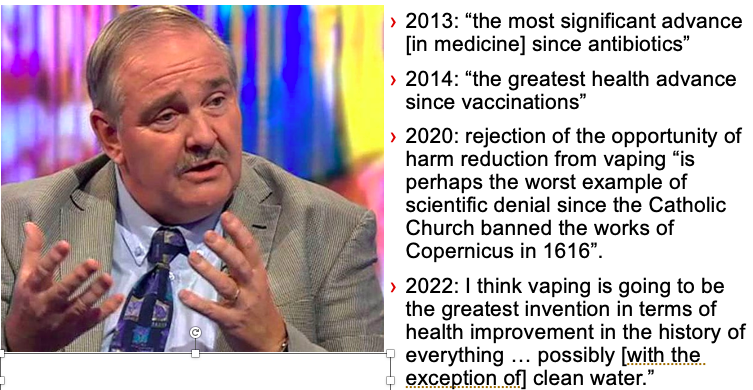
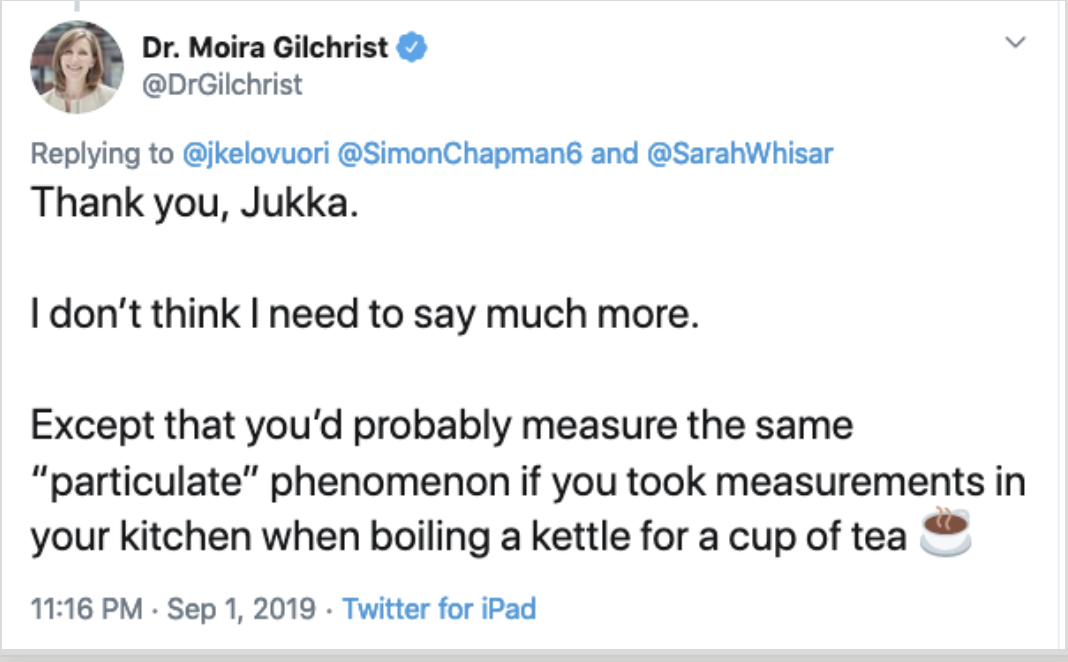
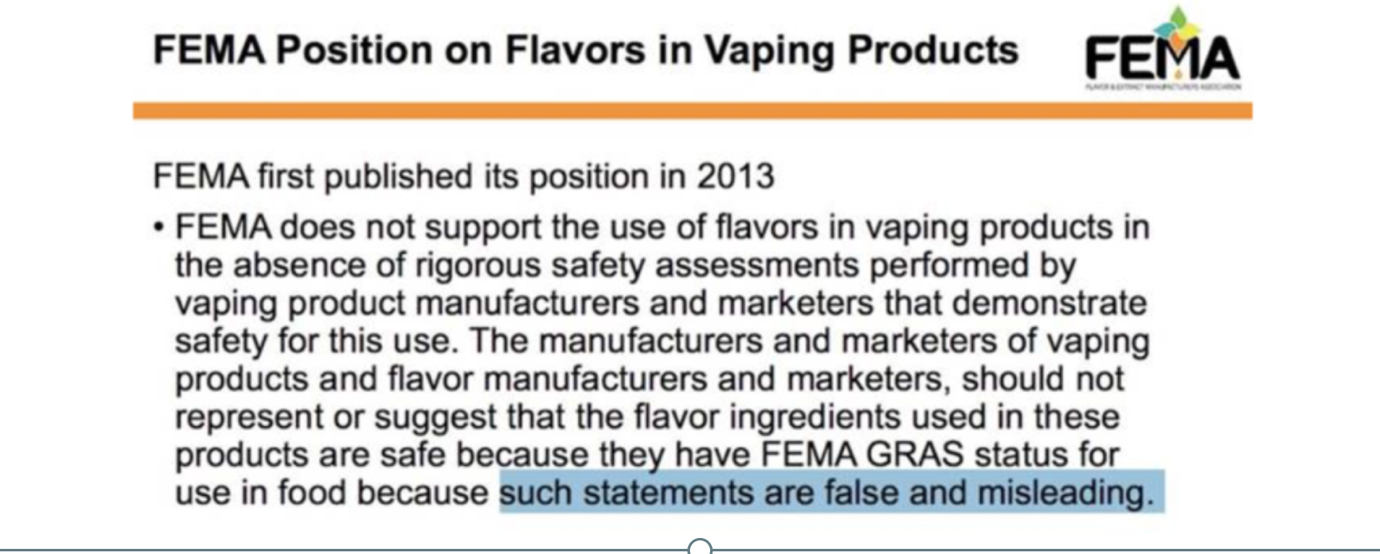
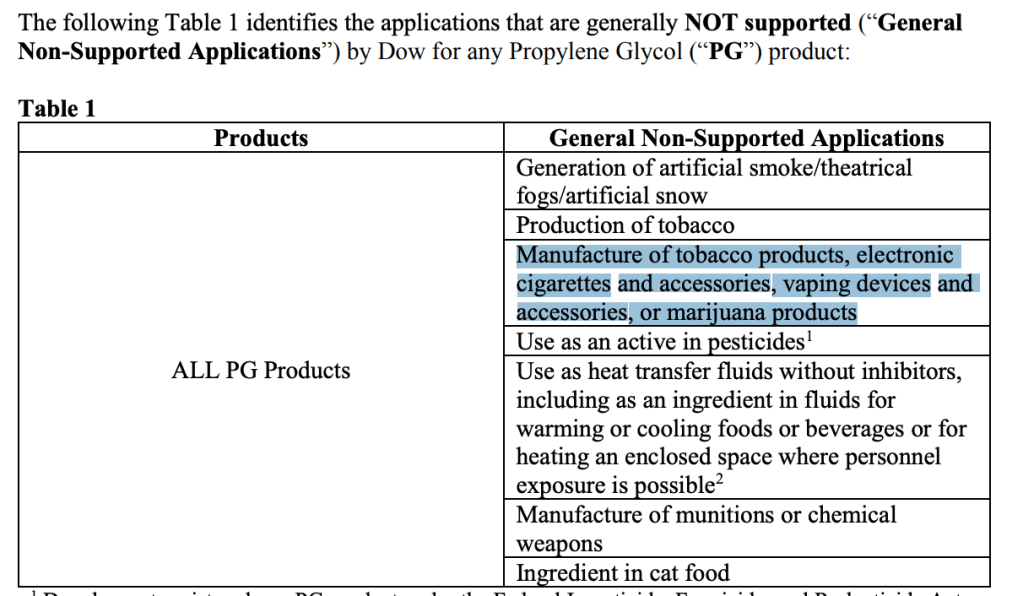
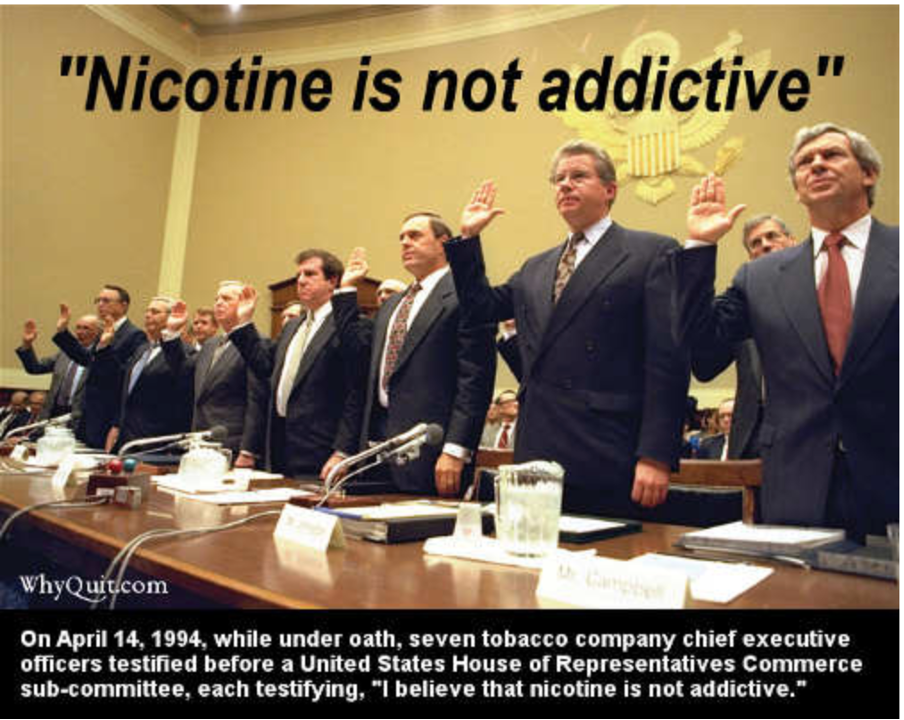
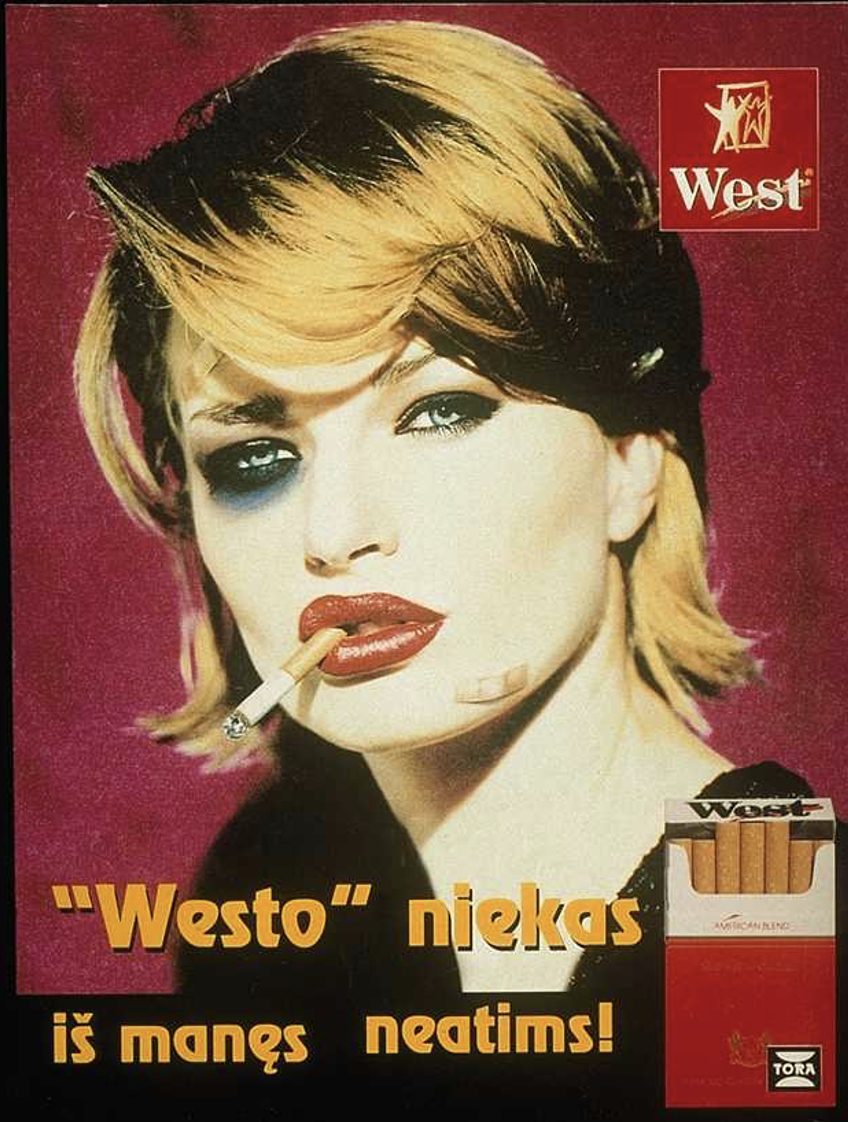
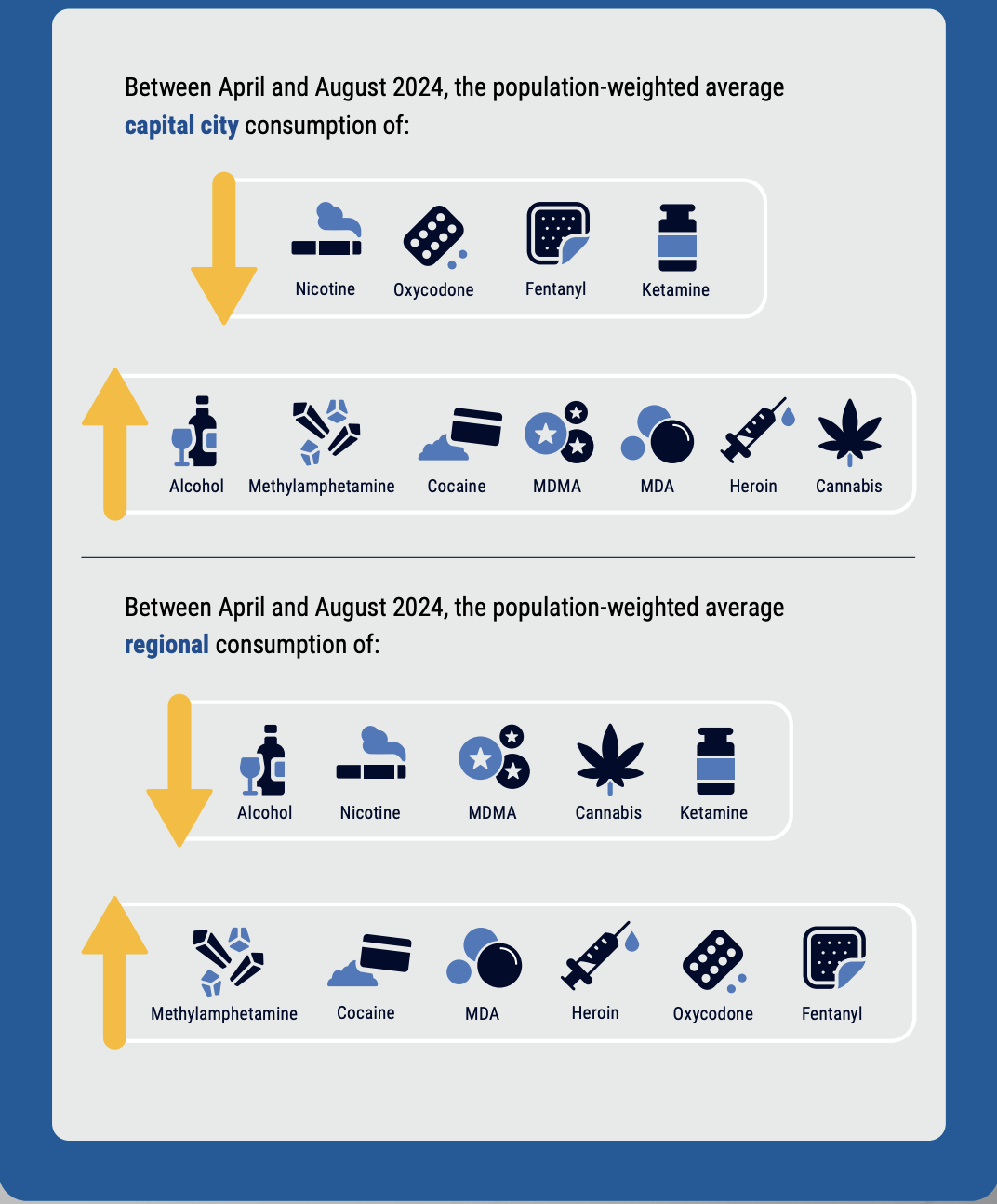

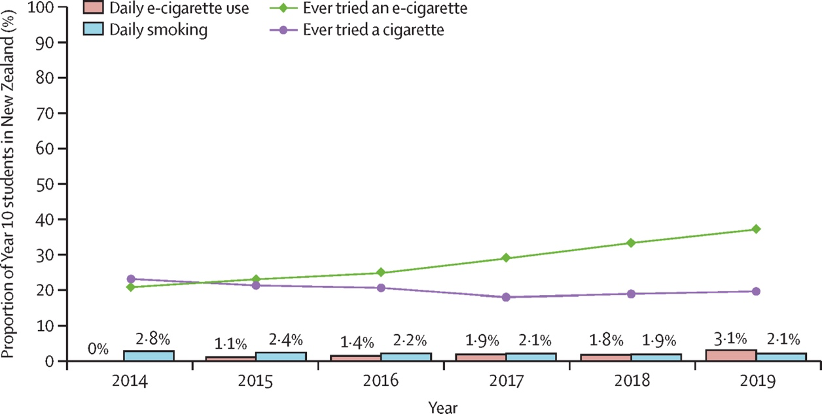
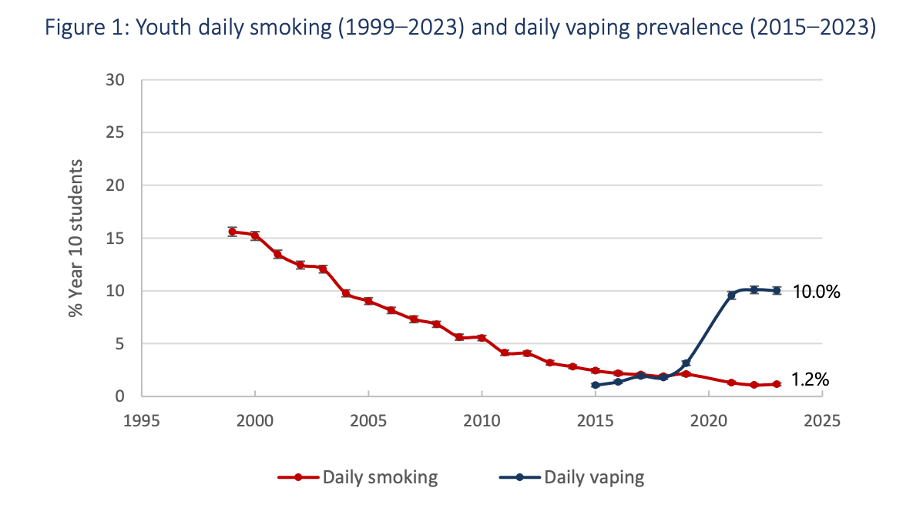
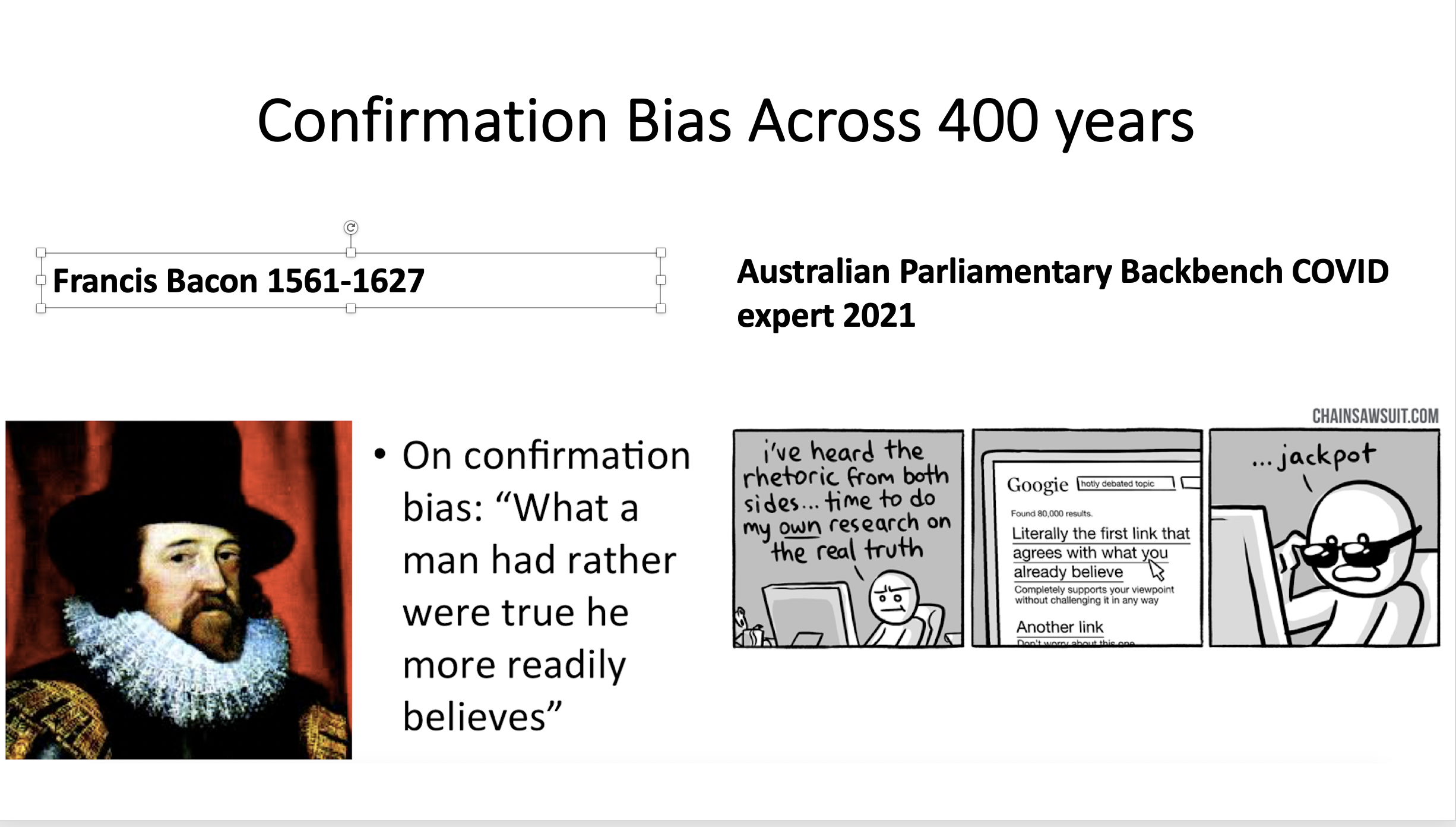
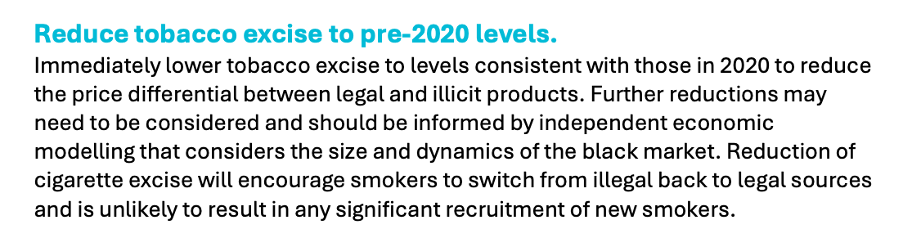
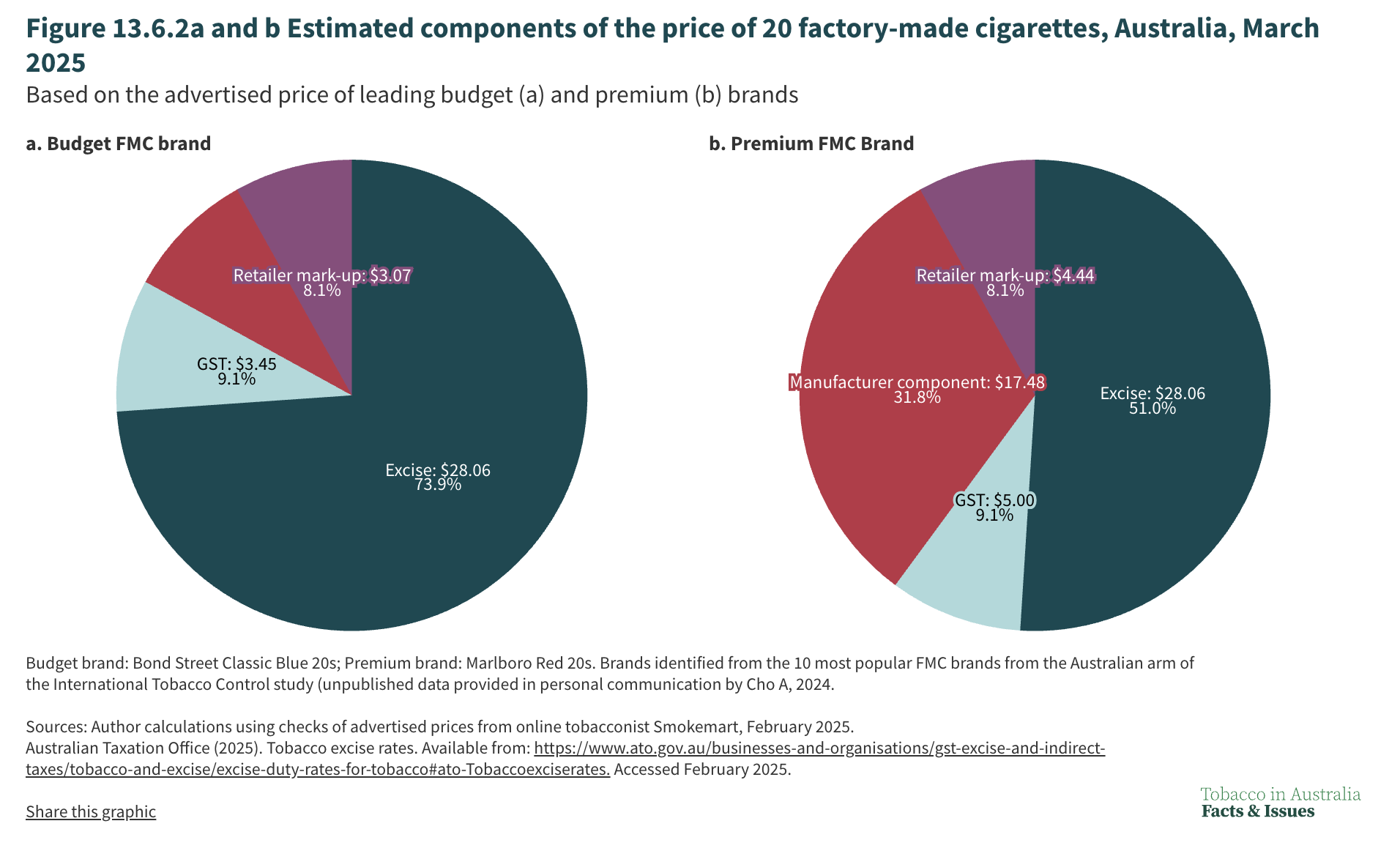


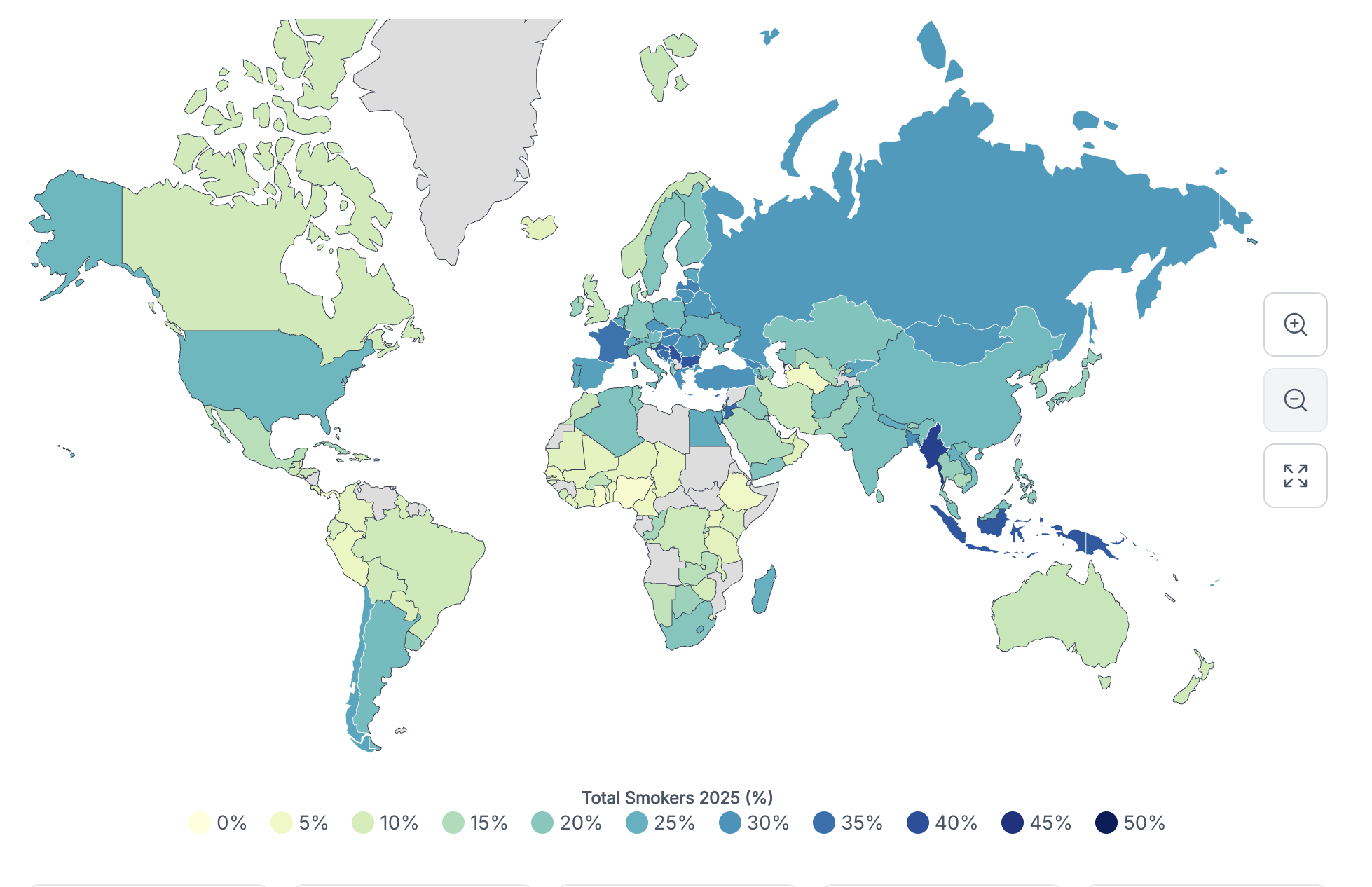



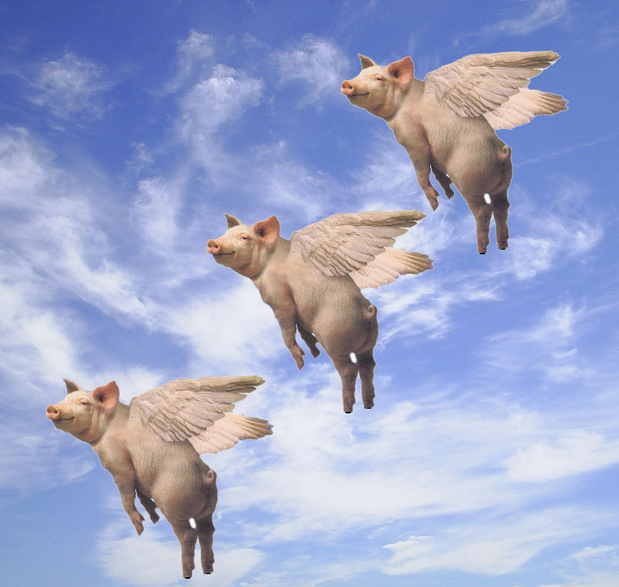


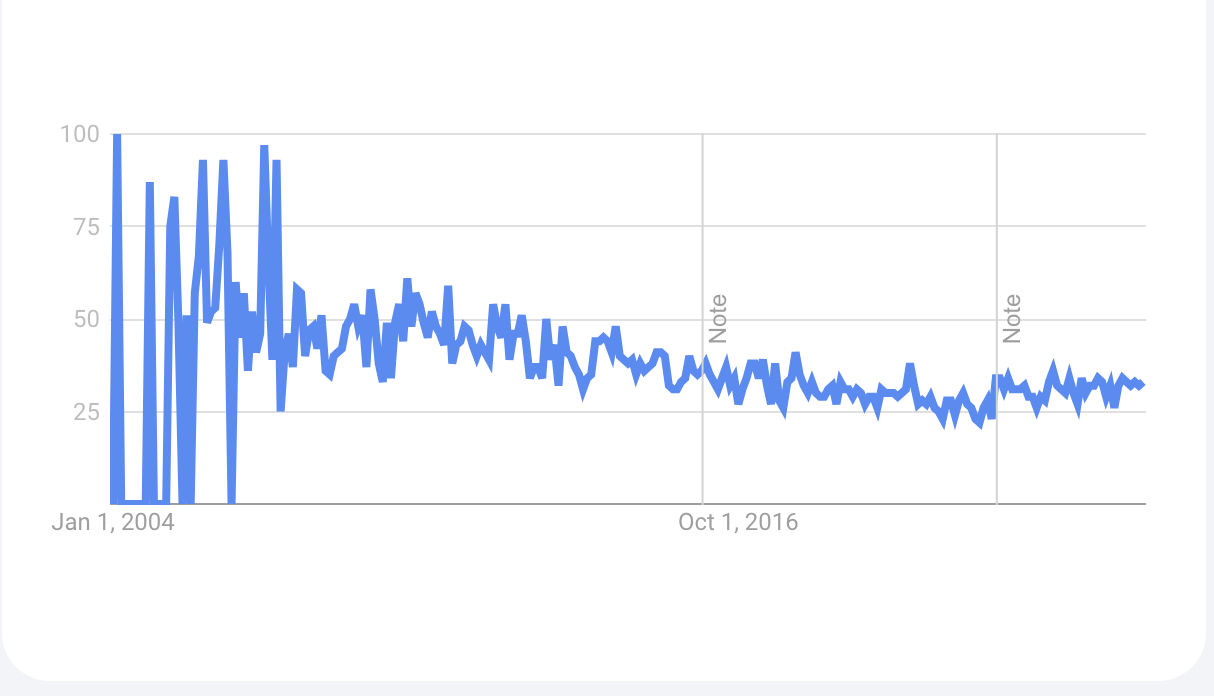
 Simon Chapman AO