
Tags
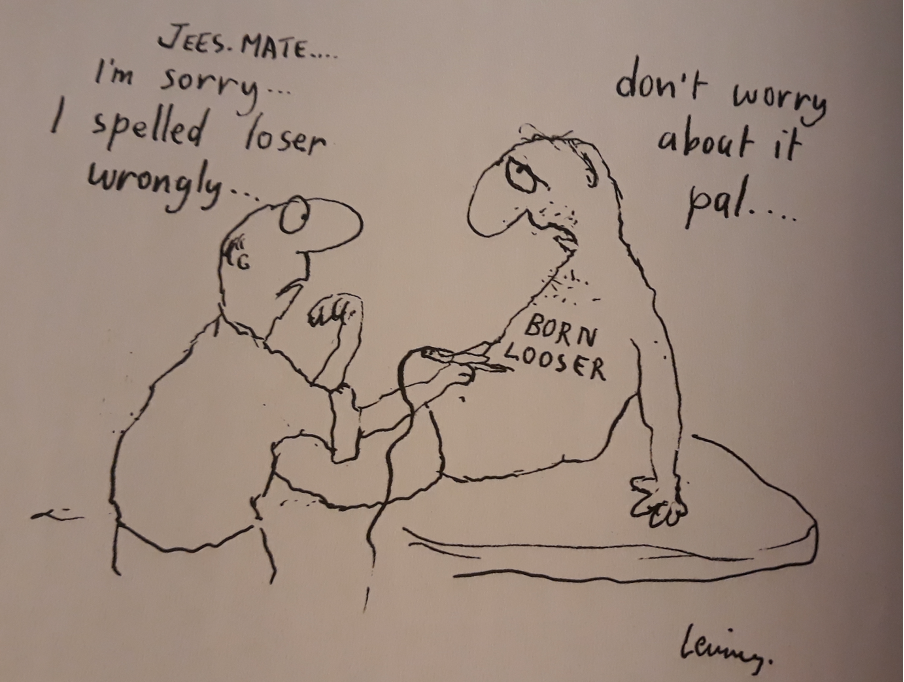
Cartoon credit: Michael Leunig (1945-2024)
In my first year at university in 1970, I had two posters on my bedroom wall: Jimi Hendrix and Sigmund Freud. I had plenty of other enthusiasms in those days: underground Zap Comix artist Robert Crumb (below), Triumph motorbikes (I owned a pre-electric start Thunderbird), the Rolling Stones and Santana, and of course my girlfriend Annie.
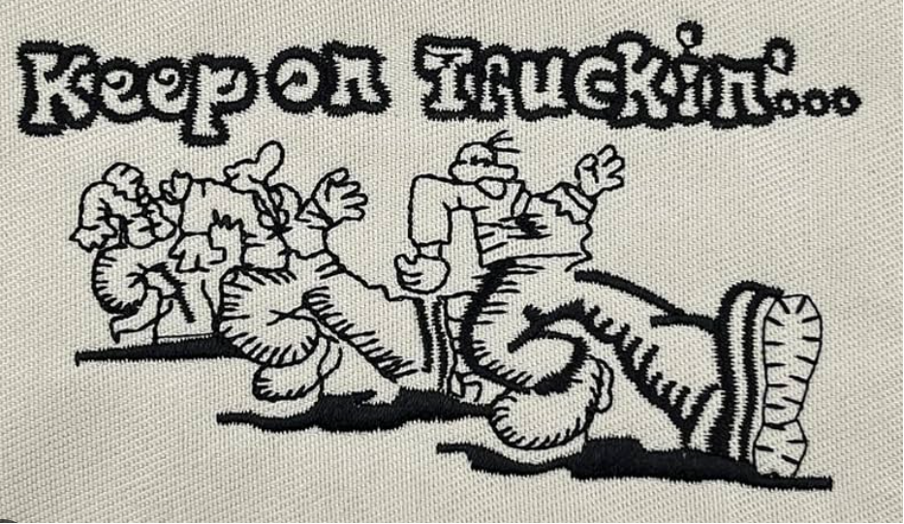
It never occurred to me to get any of these inked on my body as tattoos. But had I have done so, I know for certain that I would have deeply regretted it. I would have probably had them removed or worn clothes that hid them.
We all can recite phases self-expression we went through which years or sometimes even months later we would not dream of walking out in. I never stooped to wearing Bermuda socks and shorts or a safari suit, but I affected being a mod and had a Who haircut, wore high-waisted pants and polka dot Carnaby Street shirts. I grew a young man’s feeble attempt at a moustache which made even Alex “the Demon” de Minaur’s wispy effort look full-testosterone.
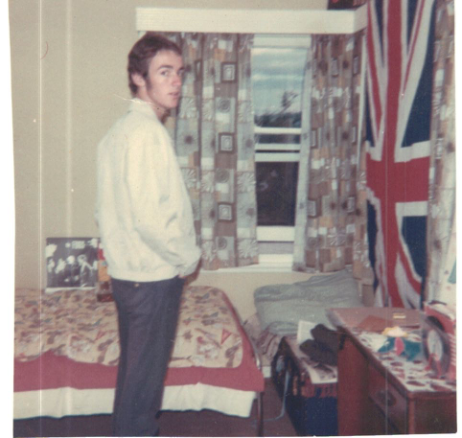
Simon the mod (1968)
All these things can be binned or pulled out of mothballs for a fancy-dress laugh. You never imagine you will wear a shirt decades later that you loved when you bought it on a Bali holiday in the 70s. You can get a bad haircut cut, grow it out or have it recoloured. You can shave a moustache or a goatee. You can take down wall art that you find dated, ugly or just dull.
But perhaps unimaginably, permanency is exactly what you are thinking when you get a tattoo: you hope it will be something that shapes how others see you forever. Not something you will go and have painfully and expensively removed, leaving your body often scarred as a reminder of your folly.
Tattoo regret is very common
One of my children has a partner who has several Japanese characters across her back. She got this at a young age, it’s quite discreet and personally, I like it. Celtic rings usually also look nice to me – like permanent, tasteful bangles. This is obviously a matter of personal aesthetics.
The same son earlier had a long term Dutch tourist girlfriend who got southern cross stars tattooed in each of her upper feet before they met, thinking this was as Australian as a gum leaf. When she realised that for many southern cross tatts signified far right racism and ultra-nationalism, she spent many hundreds of dollars across many visits having them painfully removed, leaving her with scars.
Her experience is very common. Tattoo regret can be almost immediate or gradually emerge as your values, employment circumstances, relationships change. Immediate regret can follow being intoxicated when being inked. Or bad tattooing skills. Check these epic tattoos “fails”. This 17 minute video highlights the serious employment and psychological impact on naïve people who (especially) have had facial and hand tattoos being turned away from job interviews because of no-tattoo employment policies.
There are few quality population studies of tattoo regret, with most reporting on those who have sought removal. This 2017 cross-sectional online survey of the general US adult population found that among, 3,033 participants, 1,072 (35.3%) reported having one or more tattoos, with 18% of those regretting at least one of them. That’s nearly one in six with buyer’s remorse to be carried for life.
Significant financial costs
Elaborate tattoos can be expensive, but removal costs are a whole different ballpark. There are some 350+ tattoo removal services in Australia, growing in recent years at an annualised rate of 11.5%. Prices naturally vary with size, but it’s common for spaced partial removals to take many months –sometimes more than a year — and for costs to exceed $4000.
A mandatory cooling off period
Mandatory cooling off periods are law in NSW for home sales (other than via auction) and for door-to-door sales projects like renovations, cladding, painting etc. Withdrawing from such contracts attracts a penalty to guard against frivolous decisions, but prevents impulsive seriously unwise decisions damaging those signing for many years.
Having a mandatory cooling off period of (say) 10 days for getting a tattoo may bring significant benefits in giving important reflective pause those contemplating being inked. Tattooists hungry for spontaneous sales could clearly backdate any cooling off requirement unless it involved on-line dated registration via (say) a consumer affairs government portal. Many tattooists may ignore cooling off requirements and offer off-register tattoos. “Secret shopper” random visits by inspectors posing as potential customers wanting off-register tatts could reduce the likelihood of this.

