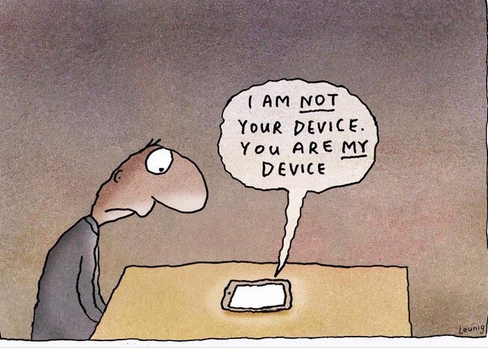
Michael Leunig (1945-2024) 2015
As of October 2026, there were 5.86 billion cell phone users globally, using 7.68 billion phones in 8.3 billion people. In Australia, 97% of the total population have a mobile phone there are an estimated 34.1-35.2 million phones in use.
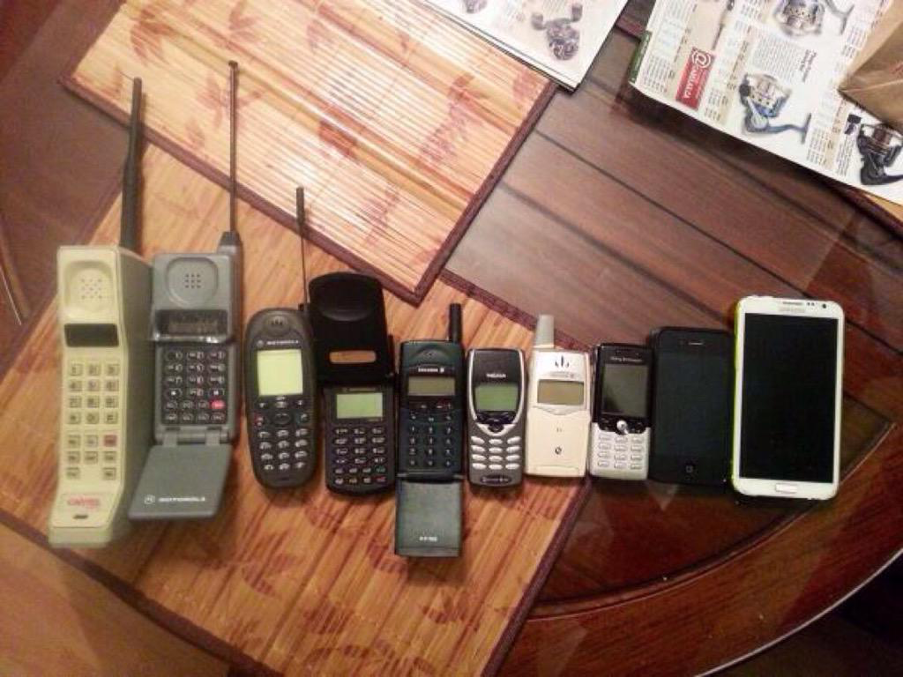
Source: https://www.reddit.com/r/interestingasfuck/comments/mqj3m0/30_years_of_cell_phones/
When electricity began being rolled out in the late 19th century, many were anxious about its dangers and that lighting up the dark was an affrontery to the natural order of night following day. These fears persisted in some areas until the 1920s. Along with fear of landline telephones, these were early examples of technophobia which saw further outbreaks with the introduction of television, microwave ovens, power lines, computer screens, wind turbines, base stations, wireless technologies and WiFi, smart electricity meters and mobile phones and transmission towers.
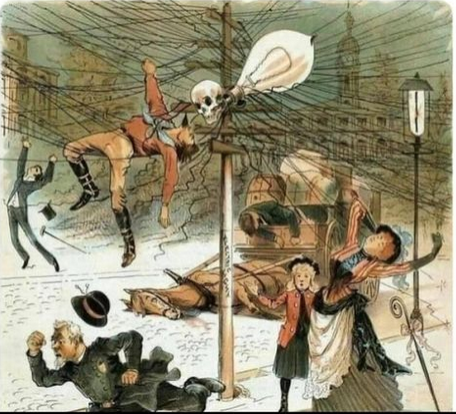
“An unrestrained demon”. Artist unknown. Judge 1889; Oct: 17(419)
My own contributions to these nocebo phenomena include:
- Scholarly papers and many Conversation papers, newspaper commentaries and a book about the communicated nocebo non-disease of wind turbine syndrome (see list from p397)
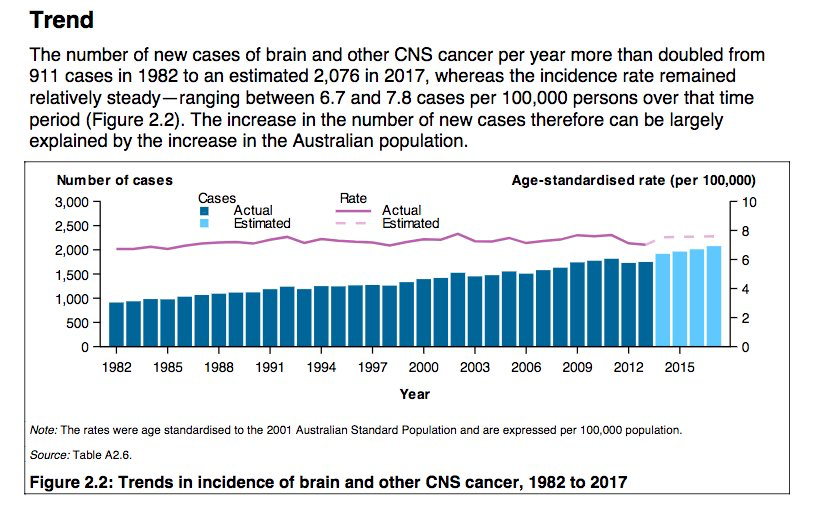
- A highly publicised study in Cancer Epidemiology addressing the question “has the incidence of brain cancer risen in Australia since the introduction of mobile phones 29 years ago” (spoiler: no, a change in prevalence becuse of population incresae, but not in incidence)
- A study of the how often Australians with mobile phones in 1998 used them in potentially life-saving or danger averting contexts (1 in 8 to report a motor vehicle accident, 1 in 4 in a dangerous situation).
Fringe concerns about mobile phones being somehow deadly because of EMR raditaion have large dissipated in the face of the obvious question: if these things are truly deadly, and billions have been daily exposed to these putative risks like brain cancer, where then are all the bodies?
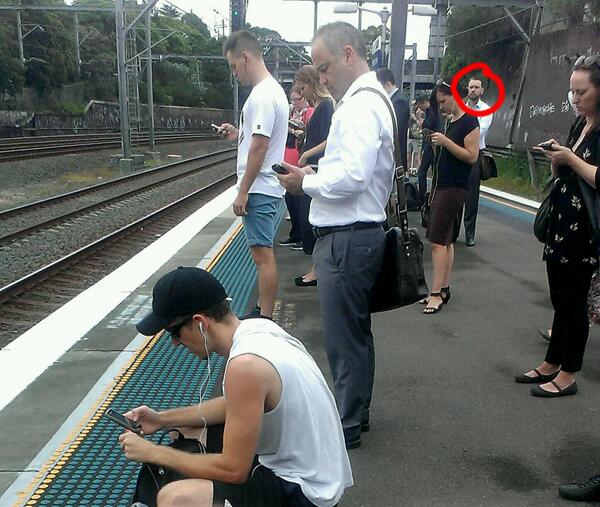
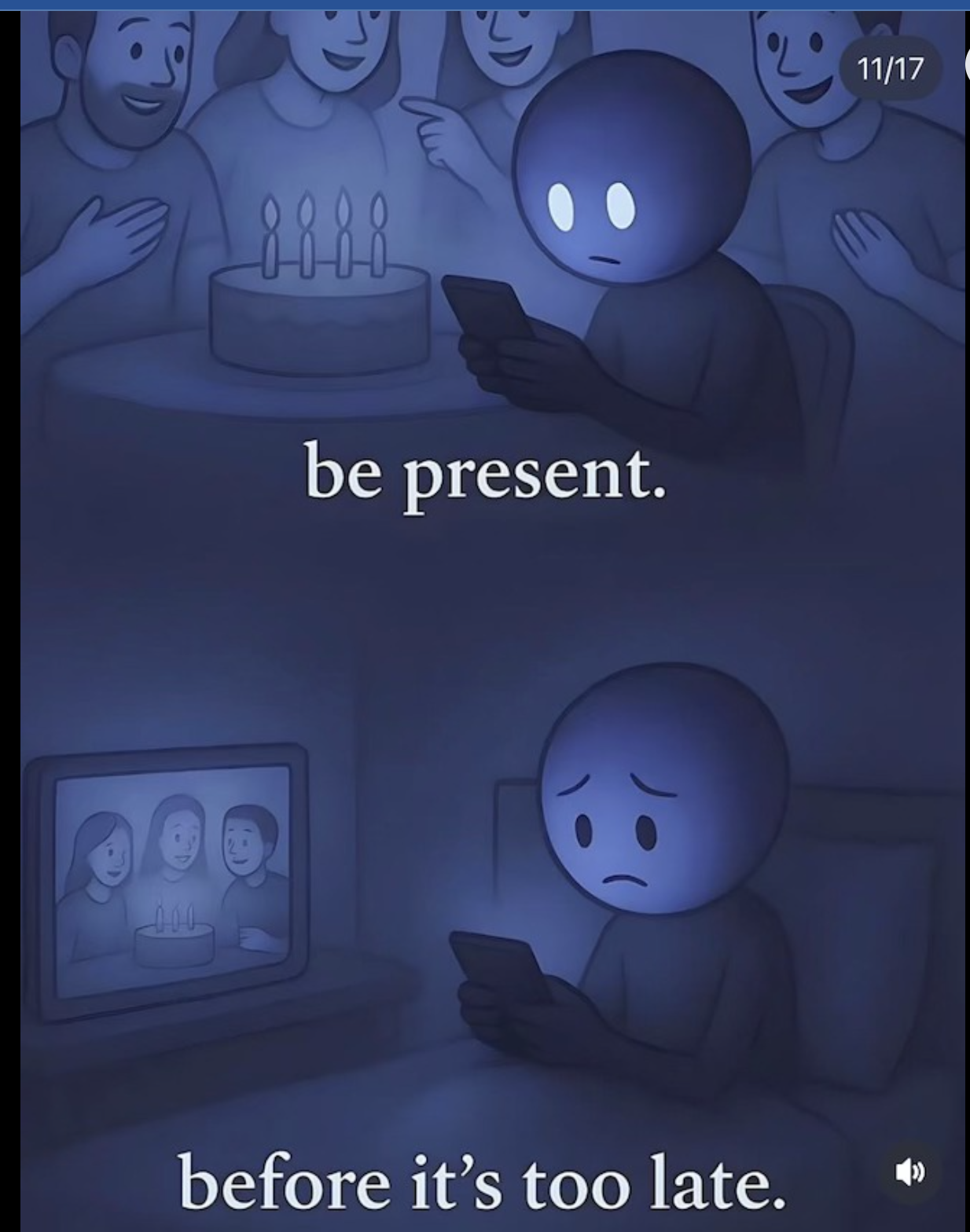
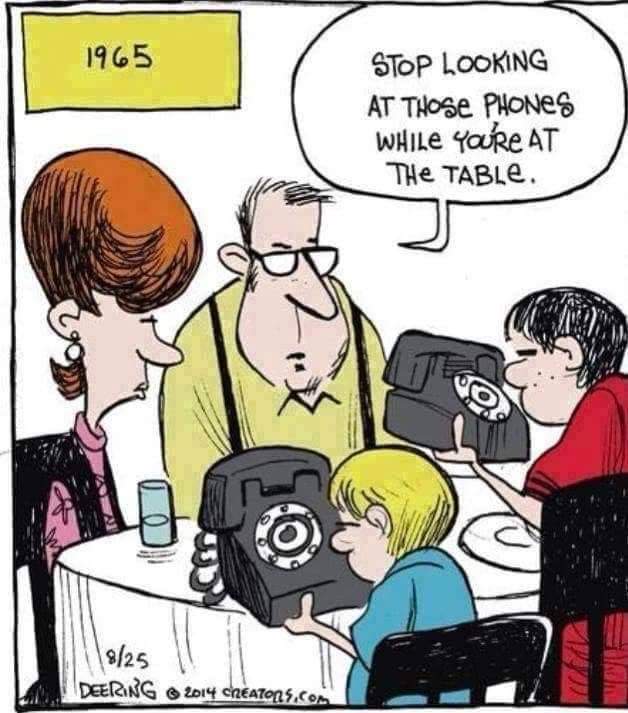
Today, with nearly everybody, including a majority of citizens in many of the world’s most impoverished nations, having internet connectivity, serious concerns about phones have moved to issues like phone addiction, the erosion of reading, impairment of face-to-face interaction and the increase in sedentary lifestyles.
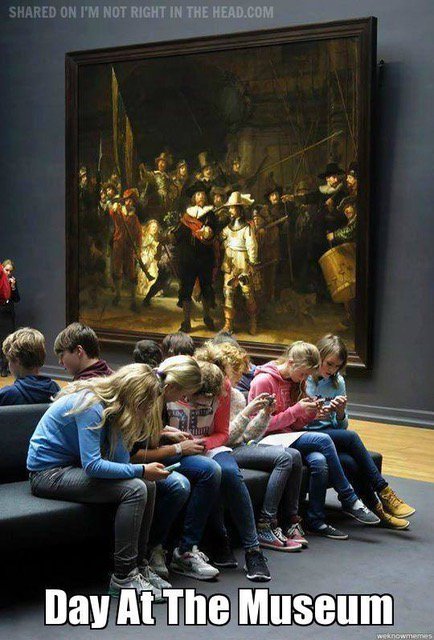
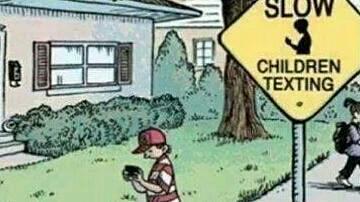
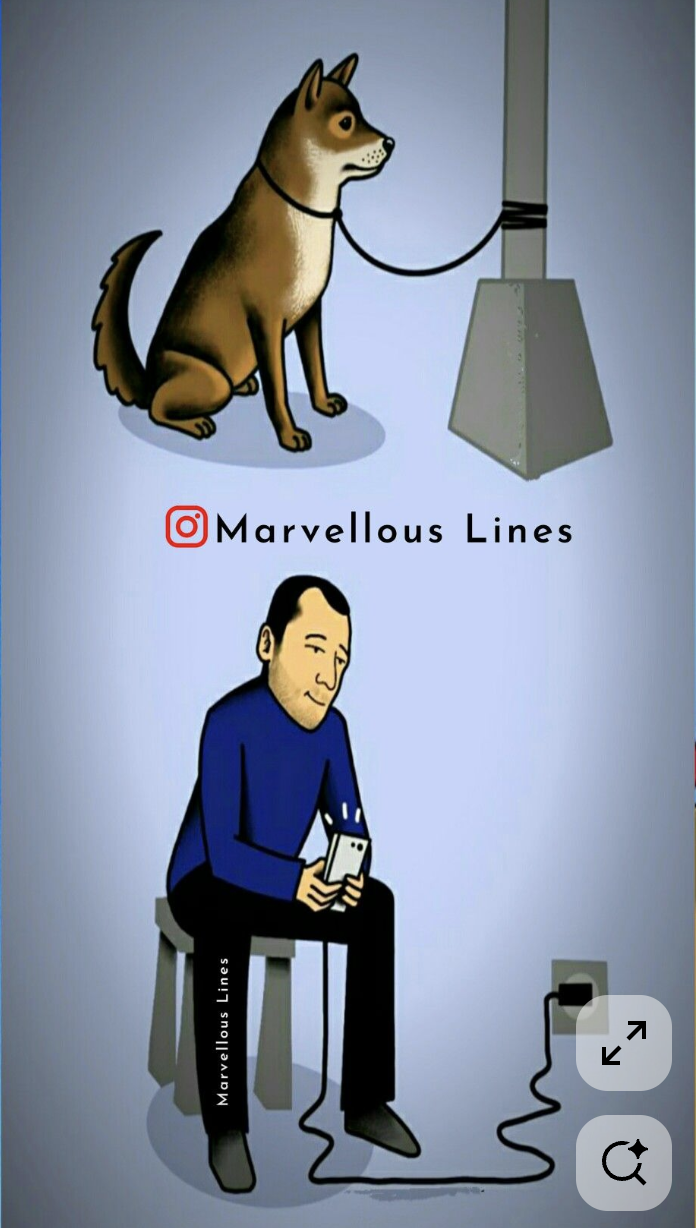
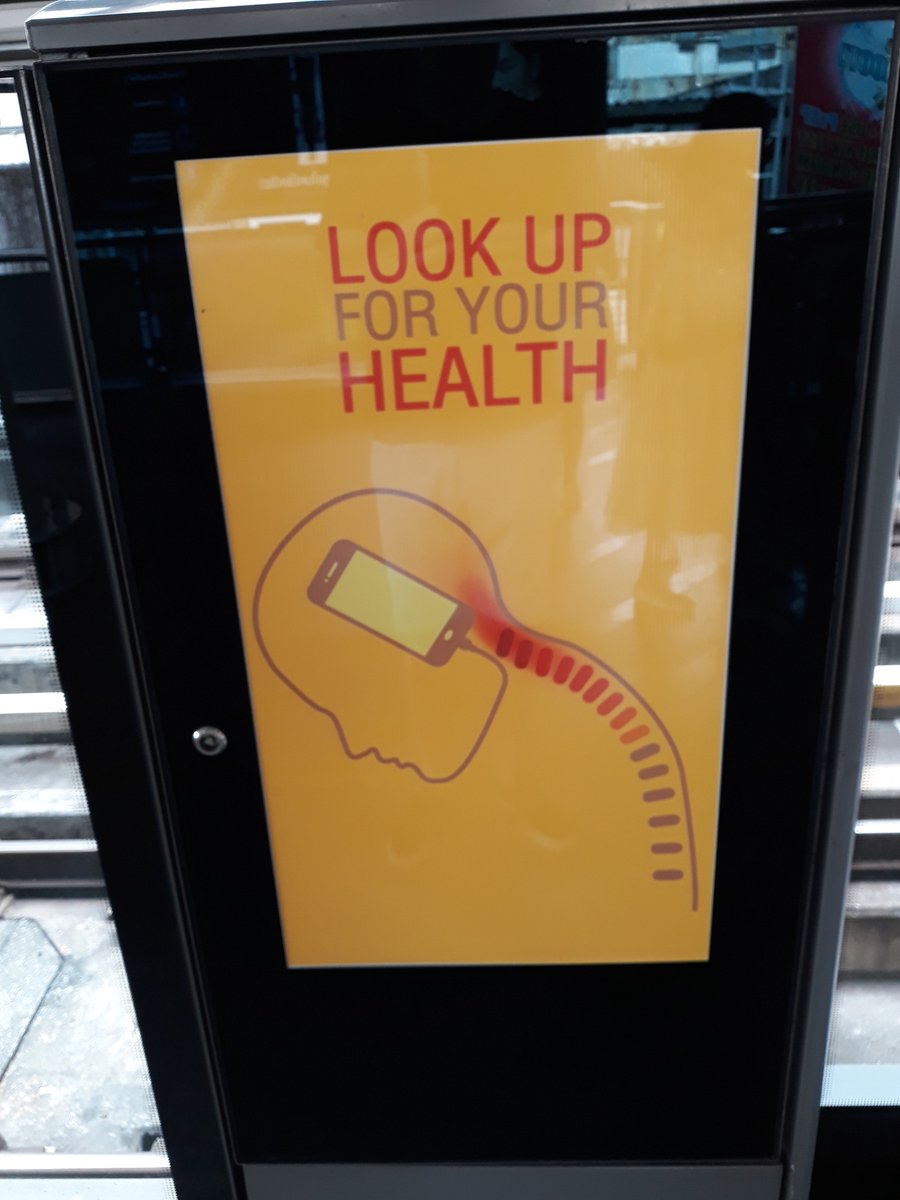
This has generated lots of passionate opinion and research examining the many serious questions that arise. Below is a small set of images and cartoons I’ve gathered and photographed recently about these concerns. The first photograph is particularly interesting. A Flickr post explains “The viral context stems from a Nov 27, 2014 photograph taken by Dutch photographer Gijsbert van der Wal at the Rijksmuseum in Amsterdam. Although social media users widely shared the image as proof that teenagers ignore fine art for social media, the students were actually using the museum’s official app to complete a school assignment.”